
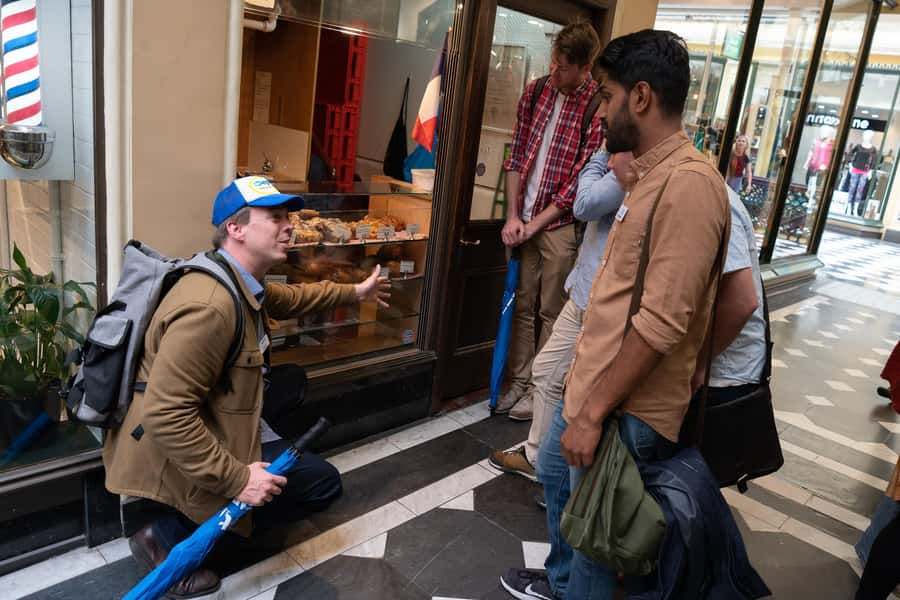
Every laneway leads somewhere.
Coffee at eight, street art by ten, the Twelve Apostles by mid-afternoon if you leave early enough. Here is what each Melbourne booking is actually like, what it costs, and which one belongs in your week.
Seven bookings that carry a Melbourne week.
One long coastal day, one valley of cellar doors, one evening on a beach full of penguins, and the city walks that fill the gaps between them. Book these and the rest of the trip arranges itself.
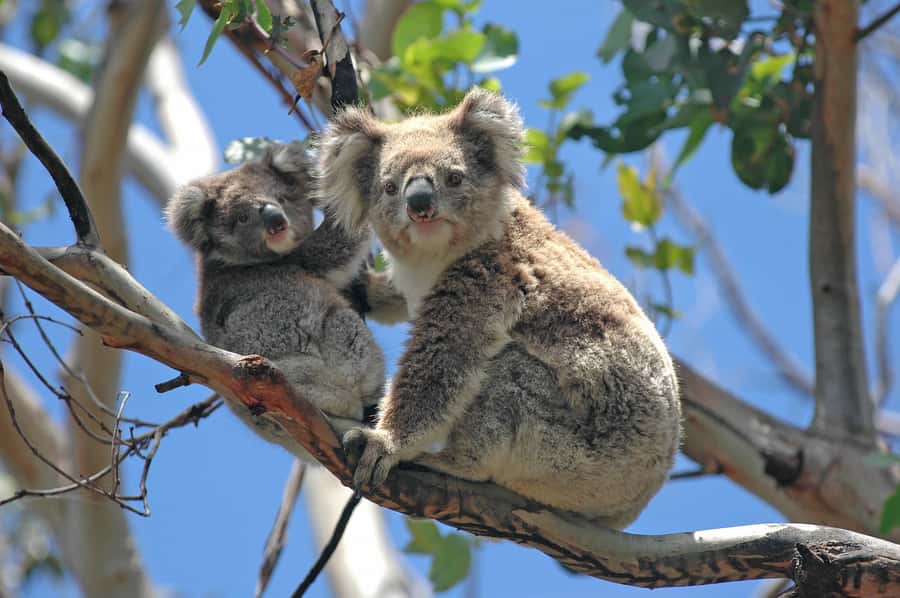
From Melbourne: Great Ocean Road, 12 Apostles, Wildlife Tour
Full-day Great Ocean Road tour from Melbourne with koalas, rainforest forest walk, 12 Apostles, and Loch Ard Gorge, including morning tea.
From $94 per person
Read the review →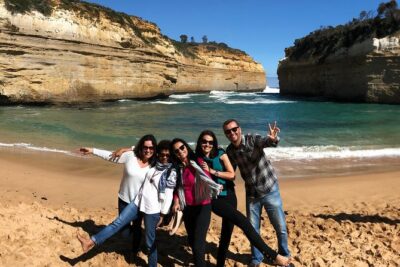 ★ 5.0Books out earlyGreat Ocean Road Reverse Itinerary Boutique Tour – Max 11 GuestsFrom $1064,186 reviews
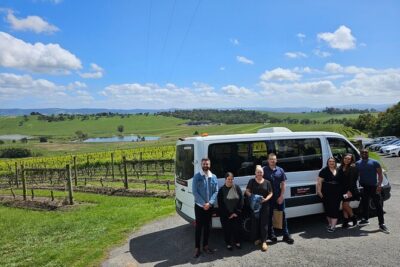 ★ 5.0The classic runYarra Valley Wine, Gin, Whisky and Chocolate TourFrom $933,667 reviews
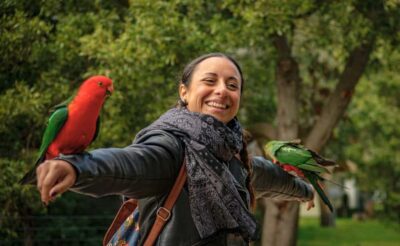 ★ 4.8Good with kidsGreat Ocean Road Tour w/ Deluxe Minibus & Top-Rated GuideFrom $1052,644 reviews
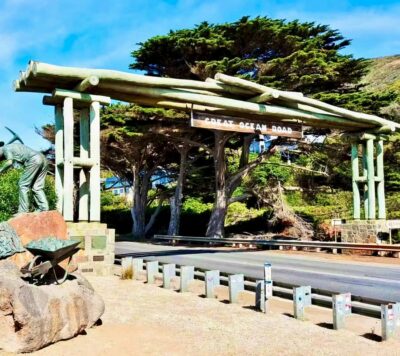 ★ 4.7Half a dayMelbourne Great Ocean Rd Reverse Tour London Bridge WildlifeFrom $462,252 reviews
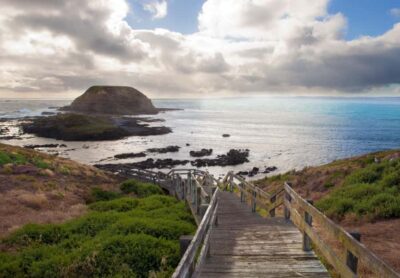 ★ 4.5Worth the driveFrom Melbourne: Penguin Parade, Koalas & KangaroosFrom $1121,932 reviews
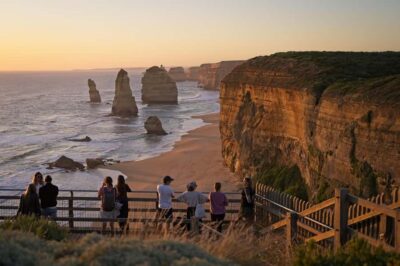 ★ 4.5Rain or shineGreat Ocean Road Extended–Top Stops&London BridgeFrom $421,920 reviews
Three hundred kilometres of coast, one day.
Out past Torquay while the surf schools are still setting up, through the Otway rainforest, then the limestone stacks at Port Campbell in the late light. The good operators drive the road backwards so you reach the Twelve Apostles after the coaches have gone. The long ones stop at every sign.
One spare day. Which way out of town?
Almost every Melbourne trip comes down to this: the coast, the penguins, or the wine. They point in three different directions and none of them combines well with another. Pick the one that sounds like your kind of day.
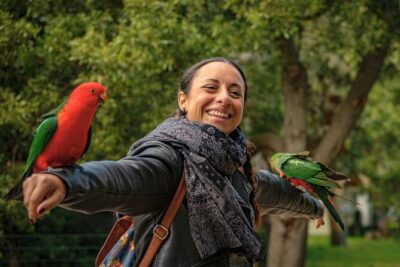 Twelve hours out
West to the stacks
from $106 · 6,607 reviews
The big one. Bells Beach, koalas in the gums at Kennett River, the Otways, then the Twelve Apostles standing off the cliff with the wind coming straight off the Southern Ocean. You leave around seven and you are back after dark. Nothing else in Victoria hits this hard in a single day.
Compare the coast runs →
Twelve hours out
West to the stacks
from $106 · 6,607 reviews
The big one. Bells Beach, koalas in the gums at Kennett River, the Otways, then the Twelve Apostles standing off the cliff with the wind coming straight off the Southern Ocean. You leave around seven and you are back after dark. Nothing else in Victoria hits this hard in a single day.
Compare the coast runs →
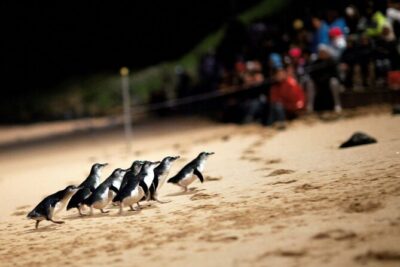 Home very late
South for the penguins
from $118 · 3,774 reviews
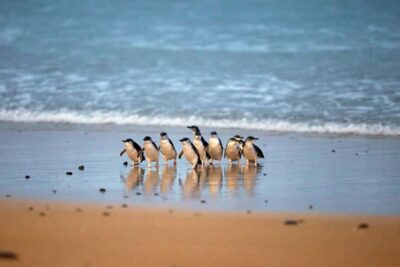
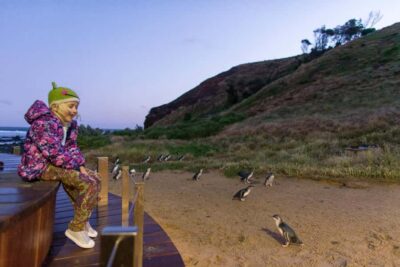
Ninety minutes down to Phillip Island, koalas and kangaroos through the afternoon, then a seat above Summerland Beach as the little penguins come out of the surf in rafts and waddle up to their burrows. Take the warm layer you think you will not need. You will.
See the penguin evenings →
Home very late
South for the penguins
from $118 · 3,774 reviews
Ninety minutes down to Phillip Island, koalas and kangaroos through the afternoon, then a seat above Summerland Beach as the little penguins come out of the surf in rafts and waddle up to their burrows. Take the warm layer you think you will not need. You will.
See the penguin evenings →
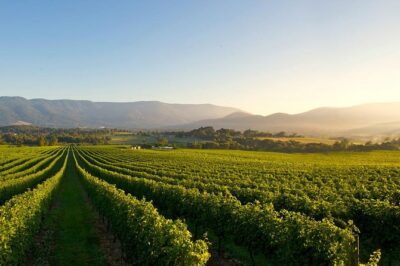 Back by six
East for the wine
from $93 · 4,552 reviews
The shortest of the three and the easiest on a sore head. An hour east, four or five cellar doors, a long lunch among the vines, and usually a gin distillery or a chocolaterie thrown in on the way home. The one to pick if the day has to end in the city.
See the valley days →
Back by six
East for the wine
from $93 · 4,552 reviews
The shortest of the three and the easiest on a sore head. An hour east, four or five cellar doors, a long lunch among the vines, and usually a gin distillery or a chocolaterie thrown in on the way home. The one to pick if the day has to end in the city.
See the valley days →
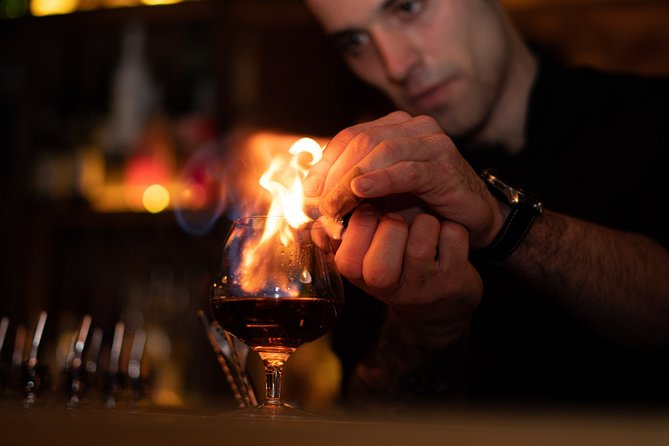
The good bars have no sign.
Up a fire escape off Meyers Place. Behind a door on Bourke Street that looks like a storeroom. Down the end of an alley you would only walk with someone who has been before. Four in an evening is a fair night. Finding them alone takes a year.
Pinot, sparkling, and a very long lunch.
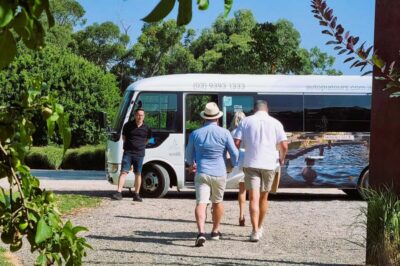
The Yarra Valley pours before eleven and keeps going until the driver taps the horn. Most days add a gin still, a cheese room or a chocolaterie between cellar doors, which is how a tasting turns into a proper Sunday.

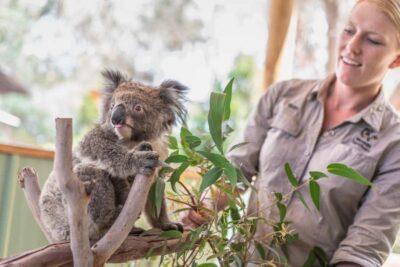
Koalas do not come to schedule.
Wild ones sit high in the gums along the Great Ocean Road and take some finding. The sanctuaries at Healesville and Werribee are the reliable version, and the penguins at Summerland Beach turn up every single evening of the year.
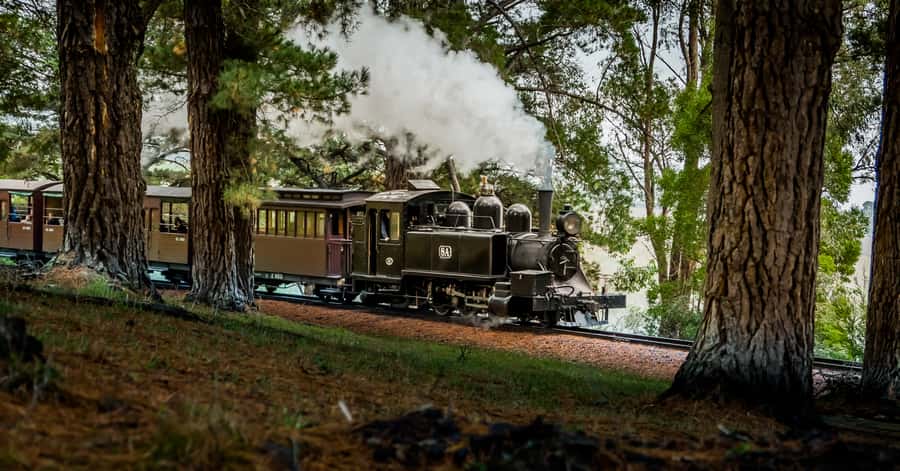
The slow way into the Dandenongs.
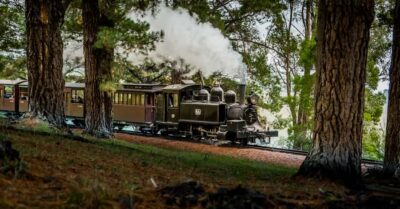
Puffing Billy has run the narrow gauge out of Belgrave since 1900 and still lets passengers sit sideways on the window sills with their legs over the drop. The ranges either side are mountain ash and tree fern, and most days finish at Healesville Sanctuary rather than back on the coach.
The city works in pockets.
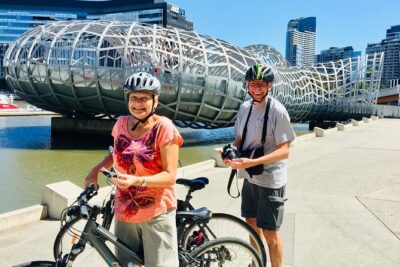
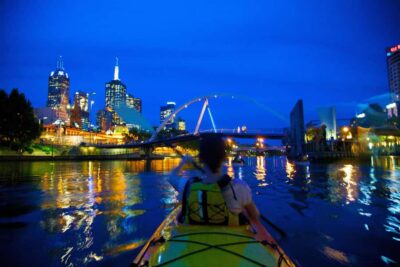
Hosier Lane for the paint. Degraves for the coffee. Southbank for the view straight down the Yarra. St Kilda when the wind drops and the pier is worth the walk.
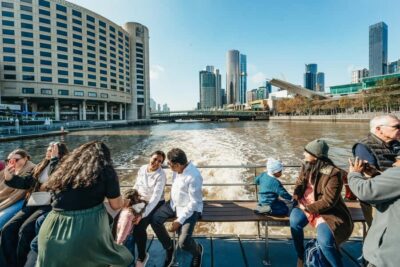
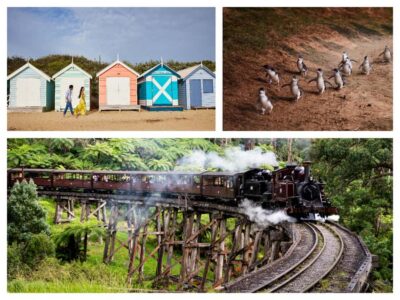


Know the kind of day you want?
Twelve doors into the same state. Walk it, sail it, ride it, taste it, or float over it at sunrise while the paddocks are still grey.
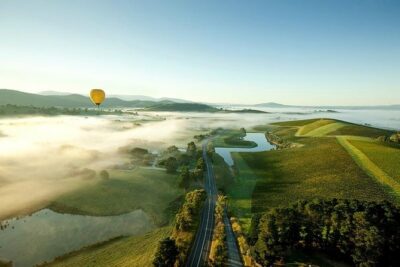

Victoria is closer than it looks.
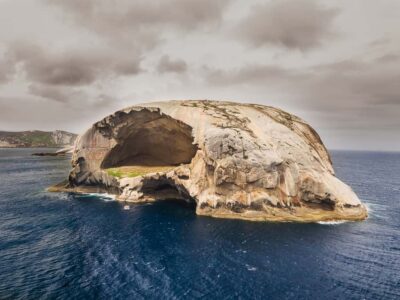
Surf coast one way, sandstone ranges the other, snow gums three hours north east and a granite headland full of wombats down at the bottom of the mainland. All of it doable between breakfast and a late dinner.
Three days, in the right order.
Give the city a day before you drive anywhere. Melbourne makes more sense on foot, and the long days out are better once you know where you are coming back to.
 Day 1
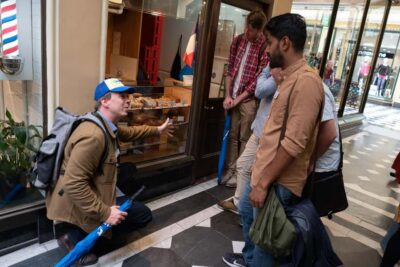
Walk the grid
Coffee in Degraves, the arcades and the painted lanes, Queen Victoria Market before the deli hall thins out, then a bar behind an unmarked door once the light goes.
Plan day one →
Day 2
The coast road
Early pickup, koalas at Kennett River, lunch at Apollo Bay, the Twelve Apostles in the late light and a quiet bus home. Check the forecast and move this day to the clearest one.
Plan day two →
Day 3
South to Phillip Island
Sleep in, then head south after lunch. Koalas and kangaroos through the afternoon, the Nobbies boardwalk while the wind picks up, and the penguins coming ashore at dusk.
Plan day three →
Day 1
Walk the grid
Coffee in Degraves, the arcades and the painted lanes, Queen Victoria Market before the deli hall thins out, then a bar behind an unmarked door once the light goes.
Plan day one →
Day 2
The coast road
Early pickup, koalas at Kennett River, lunch at Apollo Bay, the Twelve Apostles in the late light and a quiet bus home. Check the forecast and move this day to the clearest one.
Plan day two →
Day 3
South to Phillip Island
Sleep in, then head south after lunch. Koalas and kangaroos through the afternoon, the Nobbies boardwalk while the wind picks up, and the penguins coming ashore at dusk.
Plan day three →
Latest Melbourne tour reviews.
 ★ 5.0[PRIVATE TOUR] Mornington Peninsula Hot Springs | Winery & Sightseeing TourFrom $5373 reviews
 ★ 5.0Jewish Scene in multi cultural MelbourneFrom $6413 reviews
 ★ 4.53.5 Hours Group tour Melbourne trouble-makers tourFrom $443 reviews
 ★ 5.0Melbourne Tours Walk the Yarra & Historic Boathouse LunchFrom $1213 reviews
 ★ 4.5Melbourne City & Brighton Beach Boxes Helicopter TourFrom $2003 reviews
 ★ 4.5Healesville Sanctuary And Phillip Island Wildlife Bus TourFrom $1263 reviews
 ★ 5.0Yarra Sunrise Running TourFrom $693 reviews
 ★ 5.0Private Helicopter Tour to 12 Apostles & Great Ocean RoadFrom $1,3593 reviews