
Review · WALKING TOURS
Classic Pivate Melbourne Walking Tour Start from your hotel
Melbourne hits different when you know where to look. This small-group walking tour pairs big landmarks like the State Library with the laneway coffee culture that makes the city feel alive. I particularly like the way it covers both the bright side and the dark side of Melbourne, and how it mixes open spaces with tight, artsy laneways. One drawback to plan for: you walk about 5 km total, with limited time to stop.
If you’re new to town, this is a smart first-day activity. You get an easy layout of the CBD, a sense of how the city was shaped by people and money, and plenty of photo-friendly stops. You’ll also hear stories that connect the 19th century with what you see today, plus a cafe break for a taste of local coffee culture.
The tour runs for about 3 hours and keeps the group small (up to 12 people). If you’re bringing kids, it can work well, but if you have mobility issues, this one is not suitable since it’s a walking route with a total distance around 5 km. Comfortable shoes are non-negotiable.
Key things to love about this Melbourne walking tour
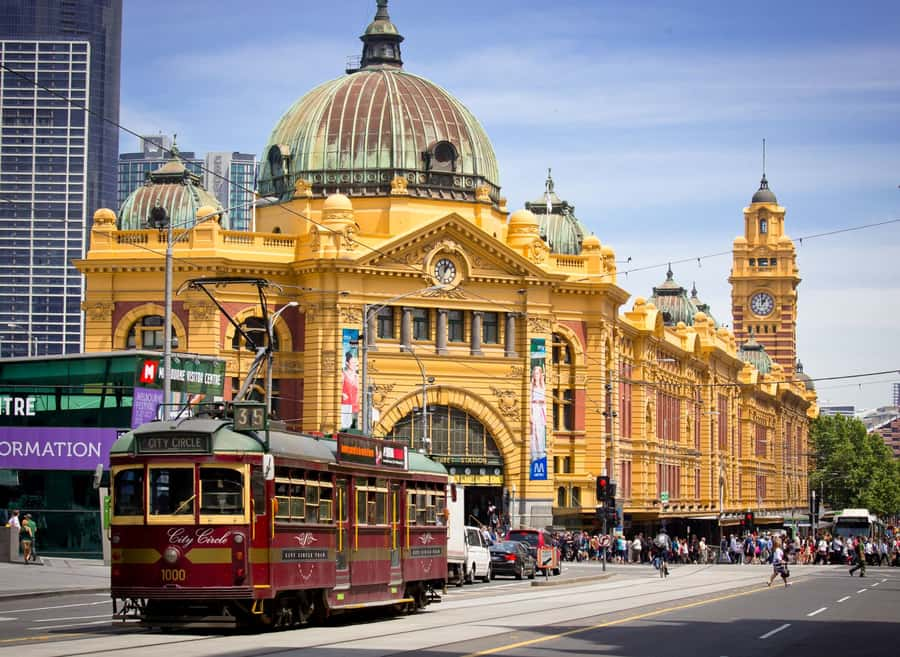
- State Library, Carlton Gardens, and Parliament Square stops that show Melbourne’s “old meets new” personality
- Yarra River walk to understand the CBD’s role and why the city grew where it did
- Hidden laneways with arts, side-street details, and plenty of places to pause
- Coffee stop included so you’re not just sightseeing, you’re also doing Melbourne
- Stories of both bright and dark sides of the city, not just the postcard version
- Guides who ask what you want to see, with one review praising Alda for tailoring the focus
H2: Starting at Mr Tulk, then getting your bearings fast

Most first-day Melbourne plans fail because people rush from attraction to attraction. This one starts you in the right neighborhood and helps you understand the map in your head. You meet at Mr Tulk right next to the library, then the tour follows a logical walking route through the Melbourne CBD.
The layout matters. Melbourne is known for its grid and wide streets, so once you understand the pattern, it gets much easier to wander on your own later. The tour leans into that. You’re not only looking at buildings, you’re learning how the blocks connect, and why that created space for laneways between streets.
If you are staying in the city center, you may also get hotel pickup. That removes friction, especially if you arrive with tired legs or you’re still sorting out tram and train timing. Either way, the goal is the same: get your bearings fast, then walk toward the highlights in a way that feels natural.
Small-group size is part of the value here. With a maximum of 12 people, you get real interaction with the guide, not a lecture you can’t hear. One review specifically calls out Alda for being engaging and for asking what the group wanted to focus on, then shaping the route accordingly. That’s the kind of attention that makes a 3-hour walk feel personal instead of generic.
A few more Melbourne bookings worth a look before you decide
- Great Ocean Road Small-Group Eco Tour from Melbourne
★ 5.0 · 6,607 reviews - From Melbourne: Great Ocean Road, 12 Apostles, Wildlife Tour
★ 4.7 · 6,020 reviews - Penguin Parade, & Wildlife Encounters Eco Tour from Melbourne
★ 5.0 · 3,774 reviews - Melbourne: Yarra Valley Wine, Gin, Whisky and Chocolate Tour
★ 5.0 · 3,667 reviews
H2: State Library beauty, plus the stories behind the marble
One of the big “wow” stops is the State Library. This is the kind of place that rewards slow looking. Even if you’ve never cared about libraries, you’ll likely notice the details, the scale, and the grand feel that signals Melbourne’s ambitions during major growth periods.
What I like about this stop is that it’s not just architecture for architecture’s sake. The tour uses landmark visits as anchors for the past and present connection. You hear how Melbourne formed, shaped by hard work, gold, and the waves of people who arrived over time. That matters because the city doesn’t feel random. It feels built.
You’ll also benefit from seeing this early. After the first landmark, it becomes easier to recognize how other parts of the CBD fit into the same story: wealth and civic pride, plus everyday street life and cultural change.
Practical tip: bring your camera habits down a notch and let yourself pause. The library stop is a good place to reset your pace. You’ll get more out of the later laneway sections if you don’t burn out at the start.
H2: Carlton Gardens and Parliament Square for the civic side of Melbourne
Next up are Carlton Gardens and Parliament Square, which give you a contrast to the tight laneway world. Gardens and civic spaces help you read the city’s priorities. They show how Melbourne has long invested in public areas, not just private development.
Here’s why I find this part useful for first-time visitors: it gives your eyes a “big picture” reference. Once you’ve seen the formal civic spaces, the later storytelling about migration, unions, entrepreneurship, and the arts lands better because you can connect the social forces to the physical map.
Also, this is a place to notice Melbourne’s mix of elegance and practicality. Wide streets and open areas let people move easily, while the city grid and lanes keep that movement efficient but still interesting. If you’ve ever wondered why Melbourne feels organized, this is where you see it in person.
Drawback consideration: if you’re the type who only wants street-level texture, you might find the civic stops slightly less punchy than the laneway segments. But the trade-off is that you’ll come away with a clearer understanding of why the CBD looks the way it does.
H2: Walking the Yarra River, understanding the city’s lifeline
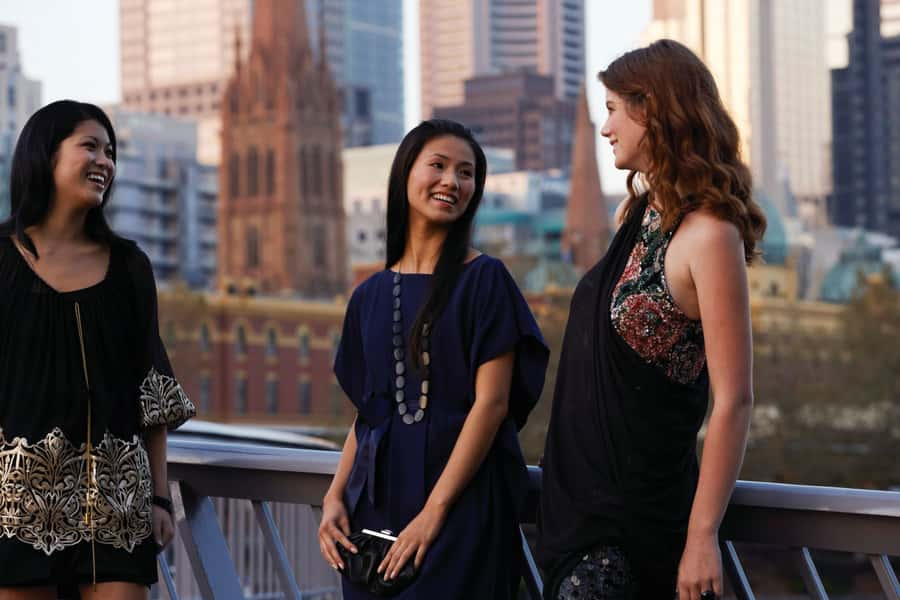
A key part of the tour is a walk along the Yarra River. Even if you’ve read about it, seeing the river in context changes things. The Yarra is presented as the lifeblood of Melbourne, and that idea makes sense once you connect it to the way the CBD developed right next to it.
I like that the river section is not treated as an automatic scenic stretch. It supports the larger theme of formation and growth. The river is part of why Melbourne became a central hub. When you’re learning the city layout, having that “this is where the action concentrates” anchor point is hugely helpful.
If you plan to do independent exploring after the tour, the Yarra portion gives you a natural axis for future walks. You can aim for the river again to reduce decision fatigue. That’s value, even if you don’t realize it in the moment.
Tip: wear shoes you trust. The tour overall is about 5 km, so the river walk is part of your daily movement. This isn’t a short hop between stops.
H2: Laneways, street art, and the coffee-scene in between
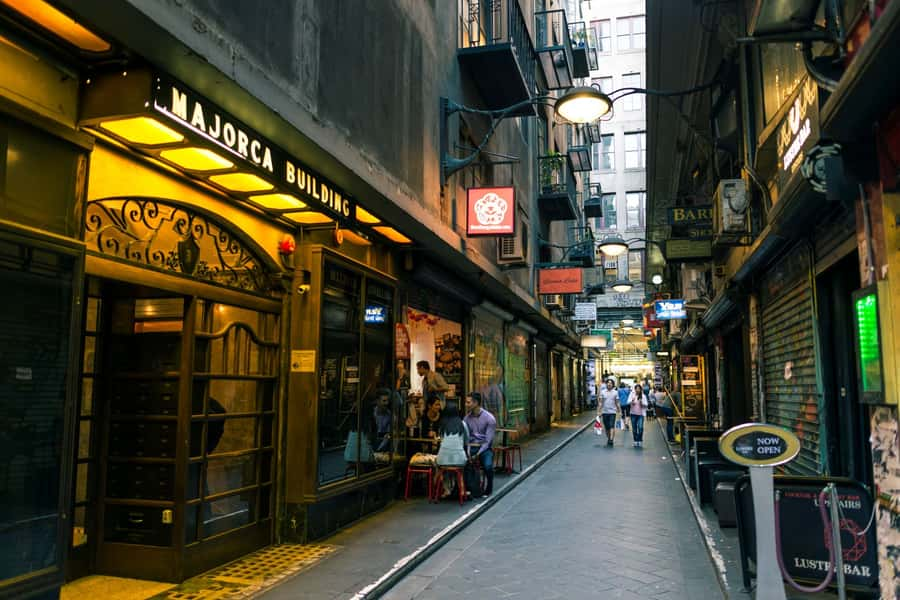
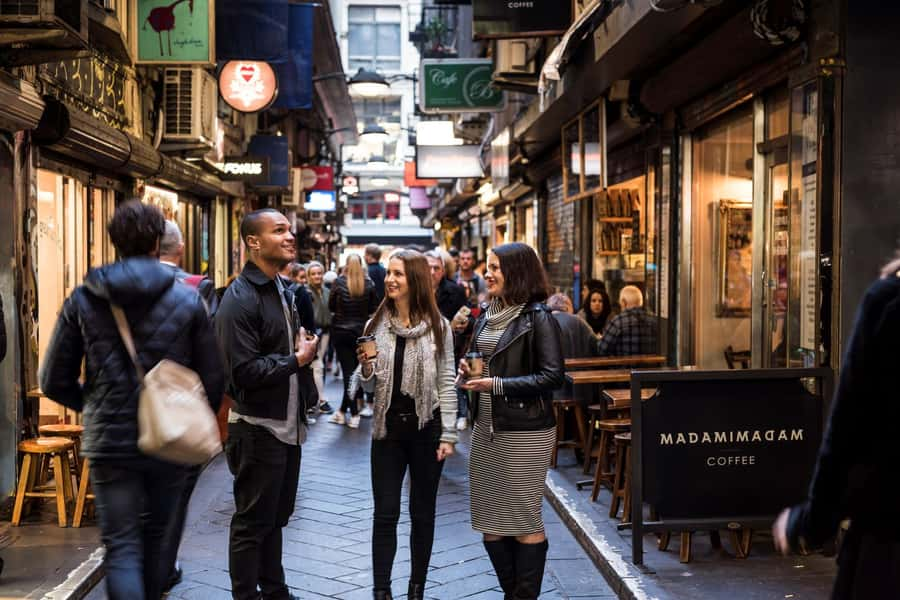
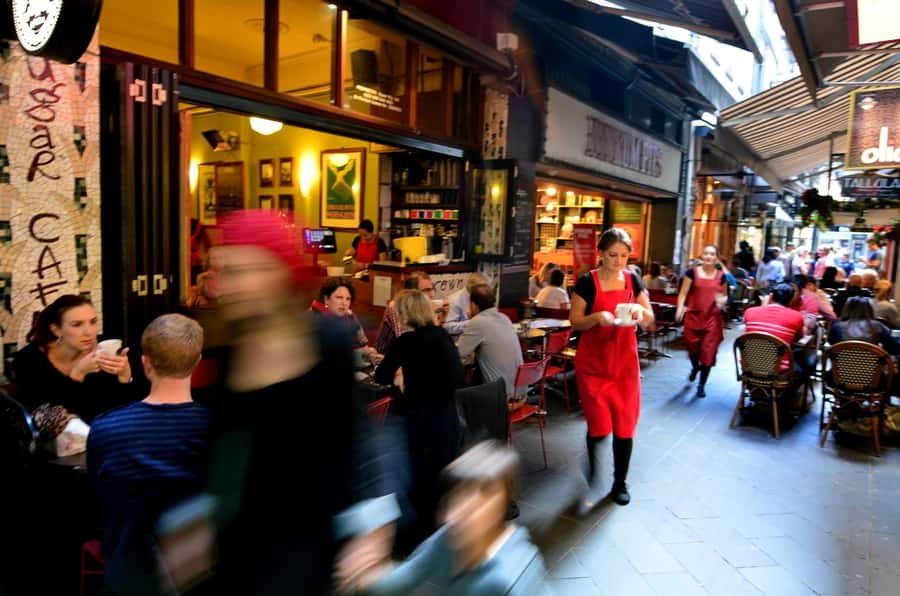
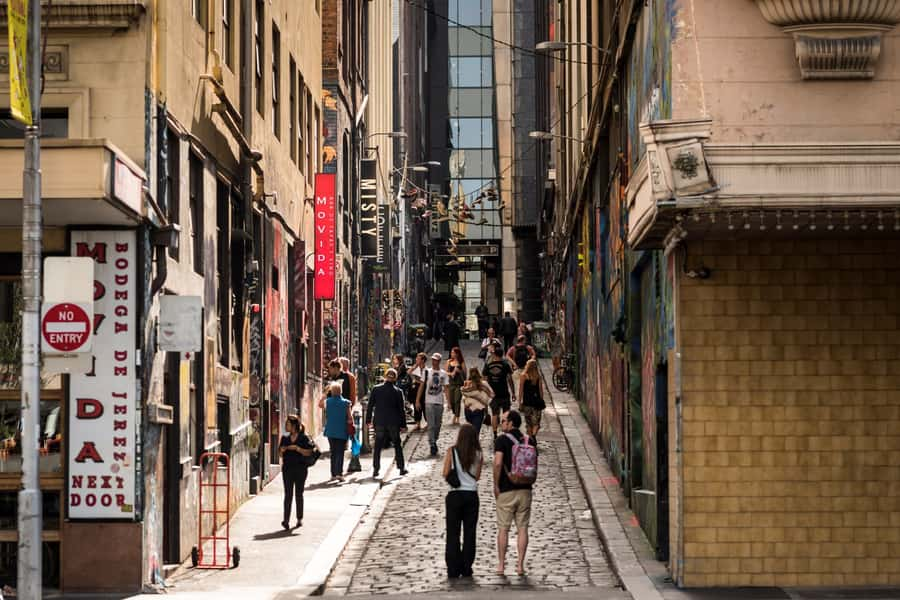
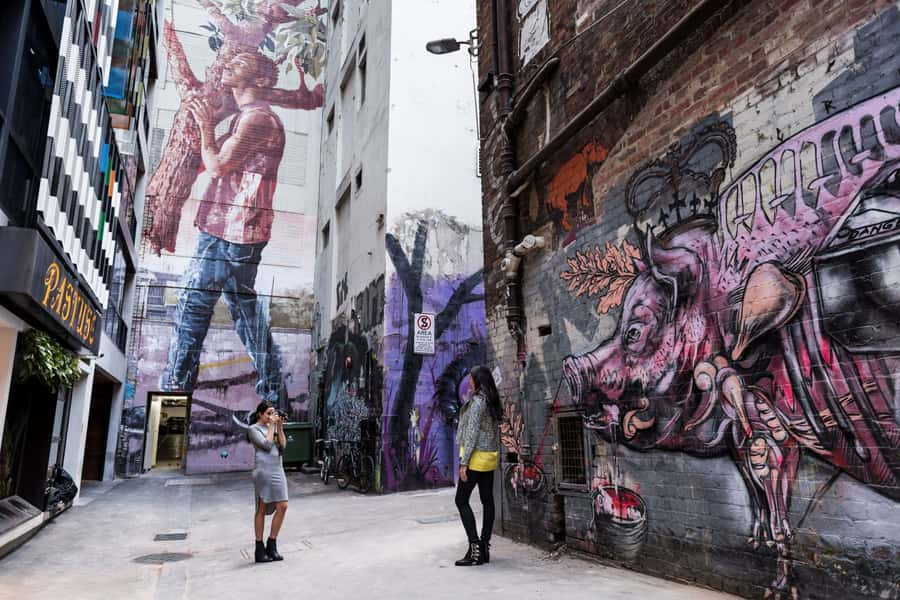
The real Melbourne magic happens in the spaces between major streets. That’s why the tour spends time on hidden laneways and side streets with street art and artsy energy. You’re not just walking, you’re learning the logic of the connections, so the laneways stop feeling like random shortcuts and start feeling like planned links between blocks.
This is also where culture shows up in a very physical way. Melbourne has had constant waves of migration from all over the world, and that shows in the food, the cafes, and the creative street scenes. The guide ties this into the city’s changing population and working history, including references to gold miners, union activists, entrepreneurs, and artists.
And yes, the tour includes time for coffee. You’ll visit a popular cafe and enjoy tea/coffee/soft drink as part of the experience. That matters for value because it removes guesswork. Instead of hunting for a good cup later, you get it built into the schedule.
One practical note: this is the type of walk where you’ll want to keep moving, but you’ll also want quick moments to stop and look. Plan on looking up as much as you look forward. The lanes often reward attention to signage, wall art, and fine details on building facades.
H2: The guide experience, including what Alda does well
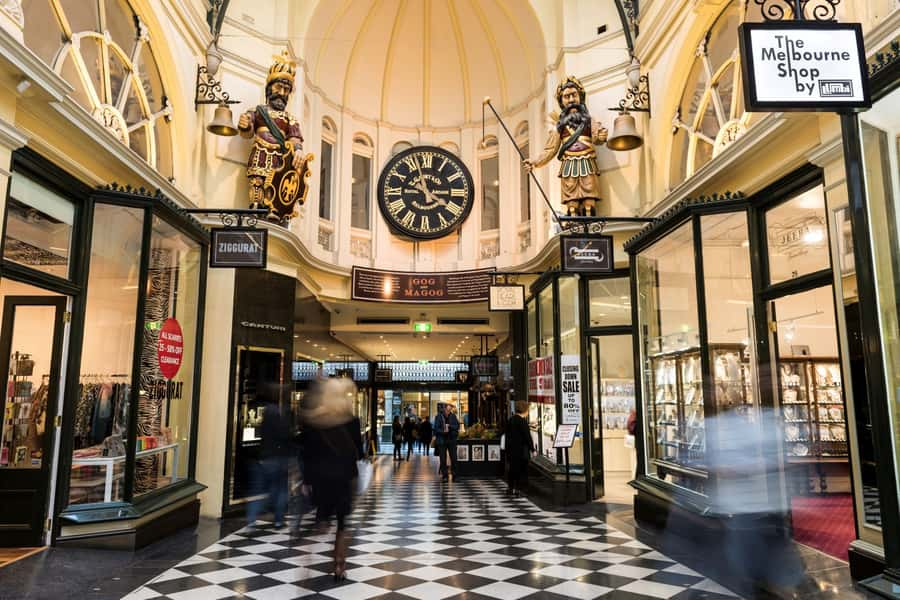
The tour is led by a professional guide, and the small-group format is designed for interaction. One recent review praises Alda, saying she was both entertaining and well organized, and that she started by asking what the group wanted to see. Then she focused on the lanes while still covering other facets of Melbourne’s architecture and history.
That approach is worth your attention. A generic route gives you the same photos as everyone else. But when a guide checks your preferences, you can come away with a route that matches your travel style. If you want more architecture, you can lean that way. If you want more laneway time, you can request it.
Language support is another practical plus. The tour operates in English, plus Spanish, Italian, Portuguese, Chinese, Persian, and Japanese. That makes a big difference if you want to understand the storytelling clearly instead of relying on fragments.
Bottom line: the guide is not just “walking with you.” The guide’s job is to connect what you see with why it exists. That’s what turns a city walk into something you can remember.
Other Melbourne walks that fill two hours well
H2: Walking plan, timing, and what you should wear
This tour lasts 3 hours. Expect a total walk around 5 km, with about 20 minutes of stop time. That stop time sounds short, but remember you’ll likely have pauses at landmarks and along the way. The best way to enjoy it is to treat it as steady sightseeing with intentional brakes, not a long slow stroll.
Group size stays tight. Maximum is 12 people, which helps the guide keep the pacing manageable. It also reduces the chance you spend the whole time behind someone’s selfie stick.
What to bring is simple: comfortable shoes. The route is not listed as suitable for people with mobility impairments. Also, no luggage or large bags are allowed, which is normal for a walking tour but worth keeping in mind if you’re moving between hotel and airport.
If you’re planning your day, I suggest putting this early in your visit. The tour gives you the map, the storyline, and the coffee cue. Then later, you can pick your own direction without feeling like you’re guessing.
If rain shows up, plan on going anyway. Walking tours are typically set up for real weather, and the schedule is short enough that you won’t get stuck for hours.
H2: Price value, what you actually get for $198
The price is listed at $198 per group, with the tour capacity set for a maximum of 12 people. Even if the pricing structure is a bit unclear at a glance, the value is easier to understand by looking at what’s included.
You get:
- A professional guide
- A small-group format
- Tea/coffee/soft drink
Nothing else is listed as included for food, so if you want a full meal, you’ll need to pay separately at some point. That said, including a coffee drink during a 3-hour walk is not a small detail. It saves time and money compared to planning a cafe stop on your own.
For $198, I think the key value question is whether you want guided storytelling. If you’re the type who likes facts, city context, and a route that saves you from wandering aimlessly, this price starts to make sense. If you just want to stroll wherever you want with zero interpretation, you might spend less by building your own self-guided walk.
My take: it’s a good value for first-time visitors who want the city’s main highlights plus the lane culture in one organized loop.
H2: Who this tour is best for (and who should skip it)
This tour is a strong fit if:
- You’re new to Melbourne and want an efficient CBD orientation
- You like a mix of landmark beauty and street-level culture
- You want stories about both the bright side and dark side of the city
- You enjoy walking and can handle about 5 km
- You’d appreciate a guide who can answer questions and steer the focus
It may be a poor fit if:
- You have mobility limitations or find 5 km walking difficult
- You need to avoid crowds and constant movement
- You’re traveling with large luggage that you cannot store or carry
Family-friendly can be a hit-or-miss depending on kids and pace, but one review specifically notes a superb discovery experience for a family. The walking distance is still the deciding factor.
If you love coffee culture, you’ll also like the built-in cafe stop, because it turns an educational walk into an actual experience of how locals reset.
Should you book this Classic Private Melbourne Walking Tour?
I’d book it if you want a first-day Melbourne plan that makes the city easier to navigate and more meaningful to remember. The combination of big visual hits like the State Library and Parliament area, plus the laneways and cafe break, is exactly the mix that helps you understand Melbourne fast.
Choose something else if you hate walking, can’t handle around 5 km, or you prefer total freedom with no guided context. For most people who are arriving with fresh questions and limited time, this tour checks the boxes, and the small-group format keeps it personal.
If you do book, wear comfortable shoes and come ready to look up, look down, and listen to how the guide connects street scenes to the city’s bigger story.
More Tours in Melbourne



More Tour Reviews in Melbourne
More Melbourne Tours in Melbourne
Recently added to the Melbourne list
- [PRIVATE TOUR] Mornington Peninsula Hot Springs | Winery & Sightseeing Tour★ 5.0 · 3 reviews
- Melbourne Tours Walk the Yarra & Historic Boathouse Lunch★ 5.0 · 3 reviews
- 3.5 Hours Group tour Melbourne trouble-makers tour★ 4.5 · 3 reviews
- Jewish Scene in multi cultural Melbourne★ 5.0 · 3 reviews
- Yarra Sunrise Running Tour★ 5.0 · 3 reviews
Walking Tours, side by side.
 ★ 5.0Ultimate Melbourne Walking Tour: History, Laneways & CultureFrom $921,451 reviews
 ★ 4.5Great Ocean Road Tour Plus Koalas, Forest Walk and Morning Tea1,068 reviews
 ★ 4.5Great Ocean Road 12 Apostles & Rainforest Walk with Morning TeaFrom $93549 reviews
 ★ 5.0Melbourne Foodie Discovery Walking TourFrom $92530 reviews
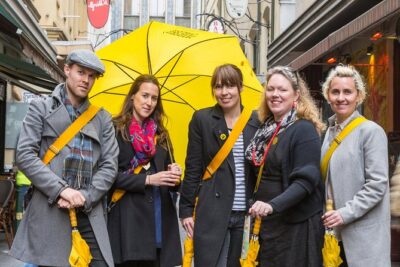 ★ 5.0Original Melbourne Lanes and Arcades Walking TourFrom $99389 reviews
★ 4.8Ultimate Melbourne Walking Tour: History, Laneways & CultureFrom $91338 reviews
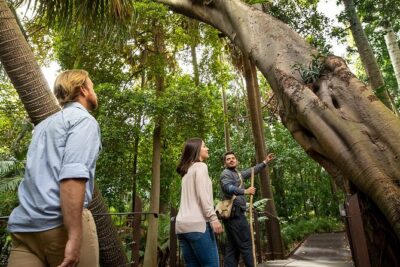 ★ 5.0Aboriginal Heritage Walk – Royal Botanic Gardens Victoria, Melbourne GardensFrom $30314 reviews
 ★ 4.93-Hour Foodie Discovery Walking TourFrom $91313 reviews
Browse the lists this tour appears in