
Review · GREAT OCEAN ROAD TOURS
Great Ocean Road: Guided Wildlife Walk that Supports Nature
Otways wildlife is easier to spot with a guide. This 75-minute guided walk turns the Great Ocean Road area into a live classroom, with native animals in their real habitat as your main focus. I also love the fact that your time goes toward real conservation work, not just scenery photos.
The main thing to consider is wildlife watching comes with uncertainty. You’ll learn how to look, but you cannot treat this as a guaranteed animal checklist, even with binoculars and headsets.
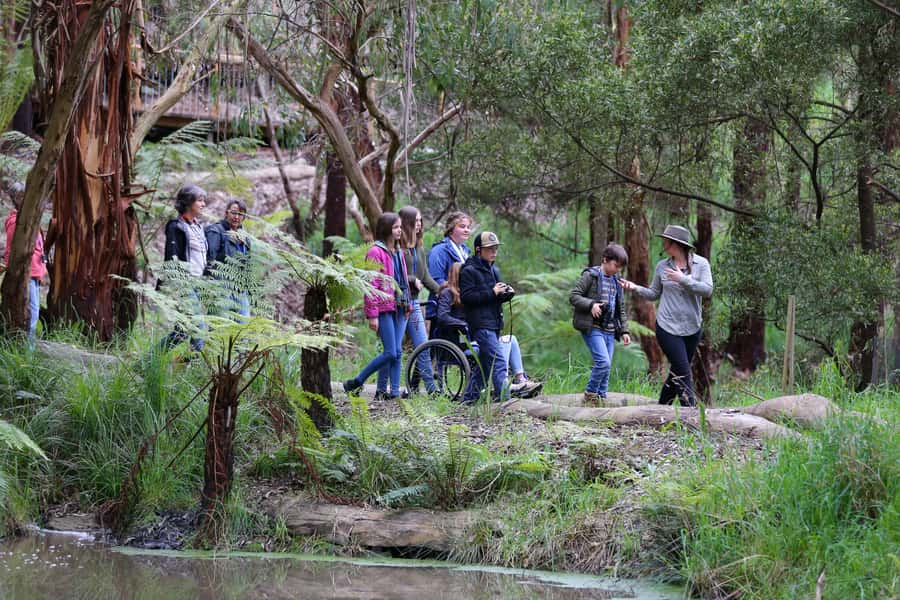
You’ll meet at the Visitor Centre, then walk a gentle 1.4 km route through Otways bushland, with pauses built in to help you slow down and actually notice what’s there.
Quick hits before you go
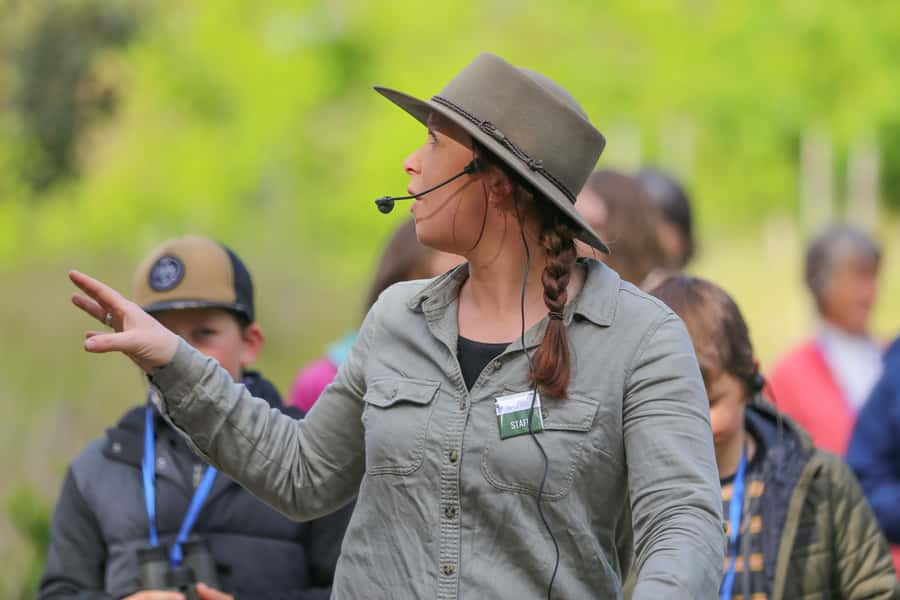
- Conservationist guide in the Otways, with practical wildlife-spotting guidance
- Binoculars and headsets provided, so you hear the story and see more detail
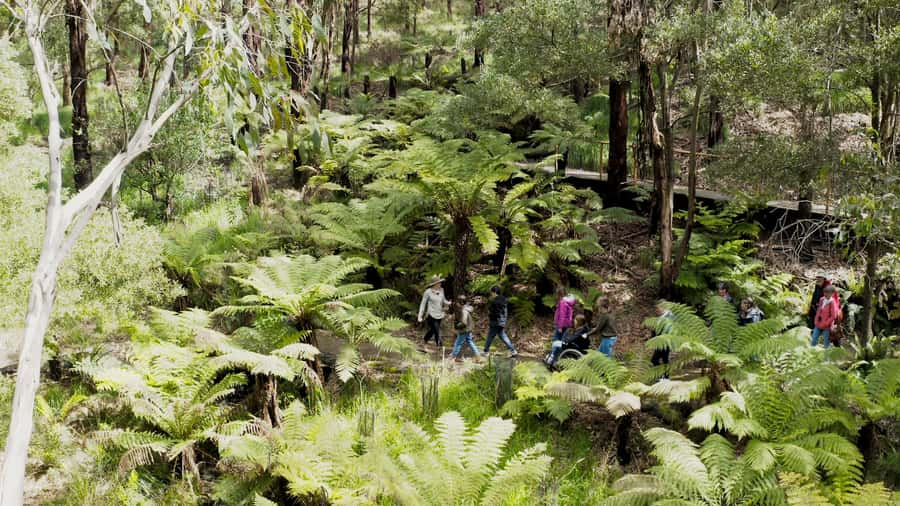
- 1.4 km gentle path through tree fern gullies and eucalyptus woodlands (suitable for all ages and abilities)
- Conservation Ecology Centre Research Hub stop to see research techniques in action
- Offered in almost all weather, with schedule changes only if conditions get extreme
- Tea, coffee, and a light lunch option at the Emu Cafe afterward, with your walk ticket focused on the tour itself
Where this walk fits on the Great Ocean Road
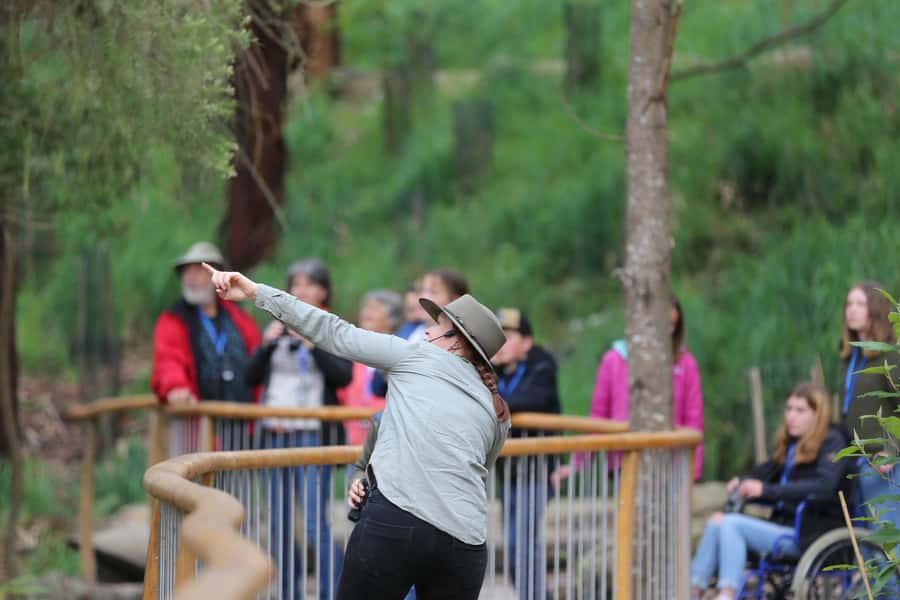
This experience is based in the Otways bushland area along the Great Ocean Road region, where forest meets sea. The walk itself is not the dramatic cliff view part of the route. Instead, it’s about the quieter side of the trip, the green backbone behind the postcards.
If you’re doing the classic Great Ocean Road sights, I see this as a smart add-on. It gives your day a break from car time and photo stops. It also swaps “look at nature” for “learn how nature works,” because the conservation angle is built into the experience.
The time is also practical. At 75 minutes, you get a guided activity without losing half your day. That makes it a good pairing with nearby sightseeing, or a calm reset when you want something less intense than a hike.
Other ways to drive the coast road, side by side
- Melbourne Great Ocean Road Benz SmallGroup&LuxCoach BigGroup
★ 4.8 · 250 reviews - Great Ocean Road Tour PRIVATE LUXURY-FREE entry,hotel pickup
★ 4.0 · 31 reviews - Apollo Bay: Dusk Discovery Great Ocean Road Wildlife Tour
★ 4.6 · 14 reviews
Meeting Point and the first 10 minutes that matter
You’ll start at the Visitor Centre. On arrival, go straight there and check in with the staff. From there, you’ll be taken into the walk with your conservationist guide.
This opening matters because the tour uses a few tools to make wildlife viewing easier: you get headsets and binoculars for use during the tour. Headsets are a big deal on quiet tracks like this. You can hear the guide clearly without craning your neck toward every sentence.
Also, keep an eye out for the rules from the start. Flash photography is not allowed, which is the right call in wildlife areas. It helps keep animals from being disturbed and keeps the experience more respectful than a camera circus.
The Otways bushland walk: 1.4 km, gentle pace, big payoff
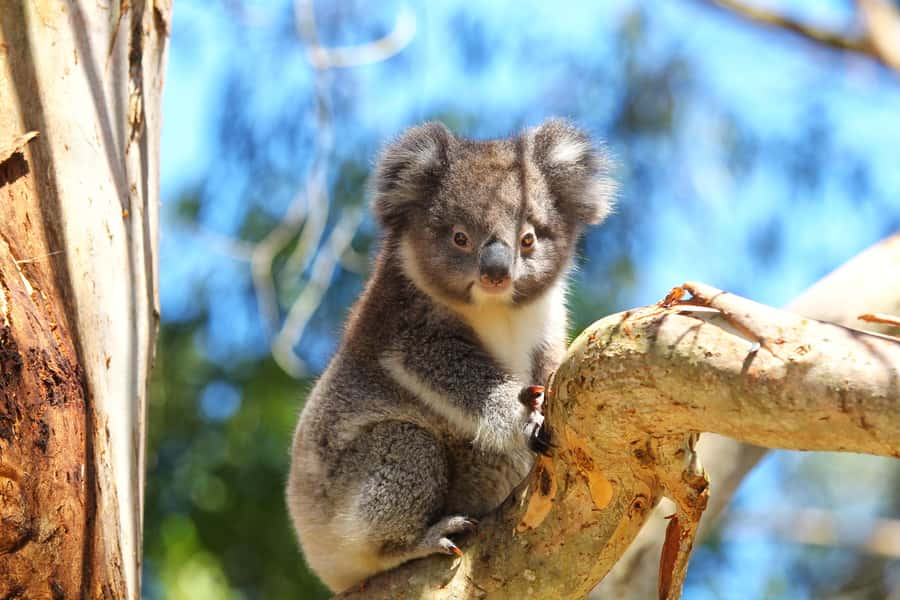
The path is described as gentle and covers 1.4 km. That’s a sweet spot for most people: long enough to feel like you left the parking lot, short enough that you do not need trail legs.
As you go, you’ll pass through tree fern gullies and eucalyptus woodlands. Those two environments are exactly the kind of variety you want on a wildlife walk. Different plants create different micro-habitats, which means you’ll be paying attention to different cues as you move.
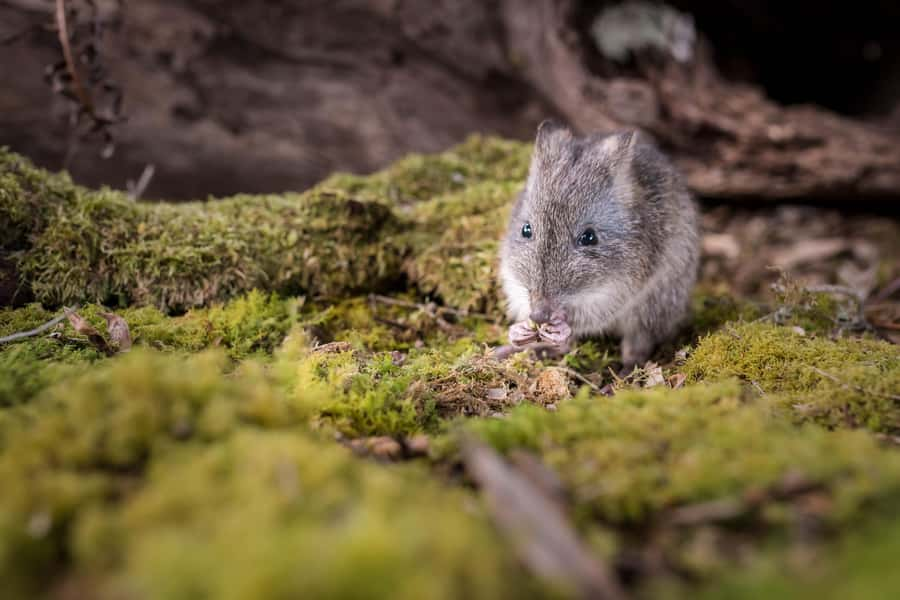
What I like about a walk like this is how it changes your attention. On your own, you might stare into trees hoping for a quick animal sighting. With a guide, you start noticing smaller things, like movement, calls, food sources, and where animals might travel. Even when wildlife is quiet, you’re still learning how to read the landscape.
And yes, there’s an ocean backdrop in the broader setting. So even when you’re in the bush, the bigger context is present. It makes the whole Great Ocean Road region feel connected instead of like separate roadside stops.
Your guided conservation lesson, with a real research stop
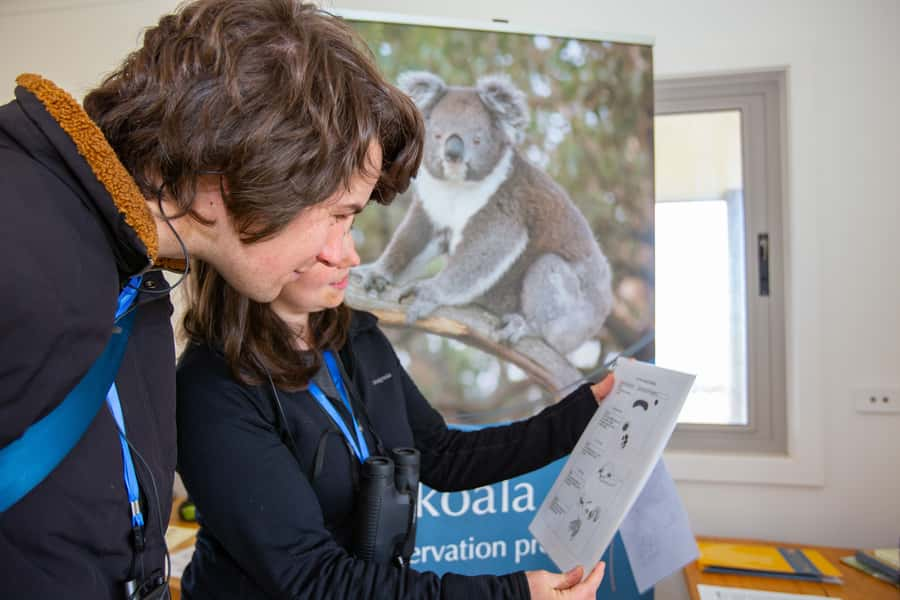
Half the value of this tour is the “why.” It’s not just about seeing animals. It’s about protecting them.
During the walk, you pause at the Conservation Ecology Centre Research Hub. This is where the tour shifts from field observations to on-the-ground conservation projects. You’ll learn about the projects happening onsite and get a chance to see research techniques in action.
For me, this is the part that turns the tour from a nice nature stroll into something that feels purposeful. Research hubs are where conservation becomes practical: monitoring species, improving habitat protection, and testing methods that can actually work.
It also helps you understand why you’re being asked to follow simple rules like no flash photography. If conservation staff are actively studying wildlife, it makes sense to minimize disturbance.
One more plus: if you’ve never seen conservation research up close, you’ll likely come away with a clearer sense of how protection is done. Not just “save nature,” but what that looks like in day-to-day work.
Wildlife viewing tips you can use immediately
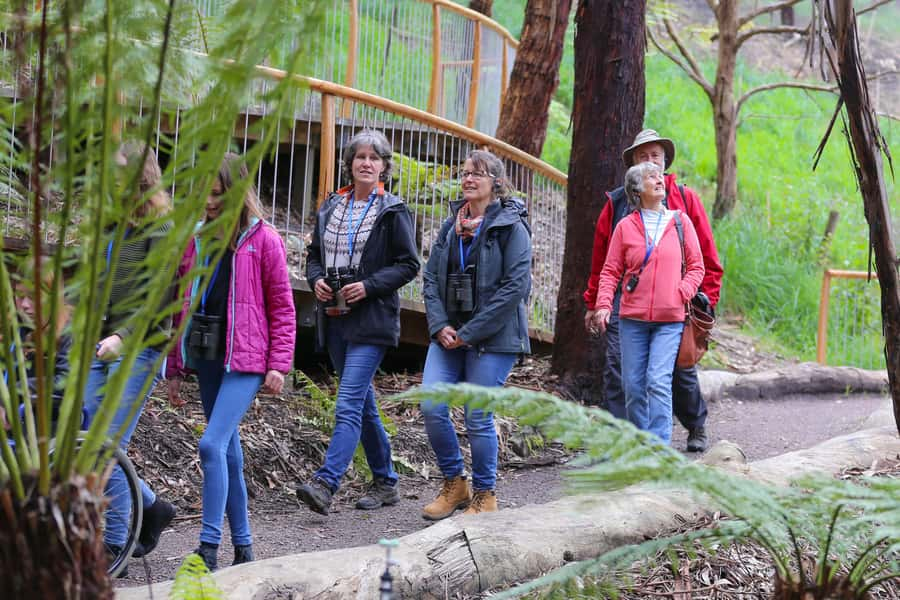
Even if you come in hoping to spot something instantly, the best mindset is to treat this like a guided search with lessons built in.
Here are the practical habits you can take from the format:
- Use the binoculars when the guide tells you to, not only when you think you might see something. The guide’s timing is usually based on animal behavior patterns and likely locations.
- Listen first. Calls, rustling, and silence can tell you more than staring at the highest branches.
- Move slowly and stay where the guide directs. Wildlife is easier to notice when you reduce extra motion and noise.
- Pay attention to plant structure. Eucalyptus woodlands and tree fern gullies are not just pretty. They influence where animals shelter and feed.
I also like that at least one guide name shows up in feedback, with Sascha praised for being very caring and engaged. That matters because good wildlife walks rely on a guide who can explain clearly without rushing you.
Keep expectations realistic. You’re walking in habitat. You’re not in a zoo. Some days animals are active, and some days they’re not. Your guide’s job is to help you make sense of what you’re seeing, or not seeing, in the context of real behavior.
Walking comfort: what to bring (and what to wear)
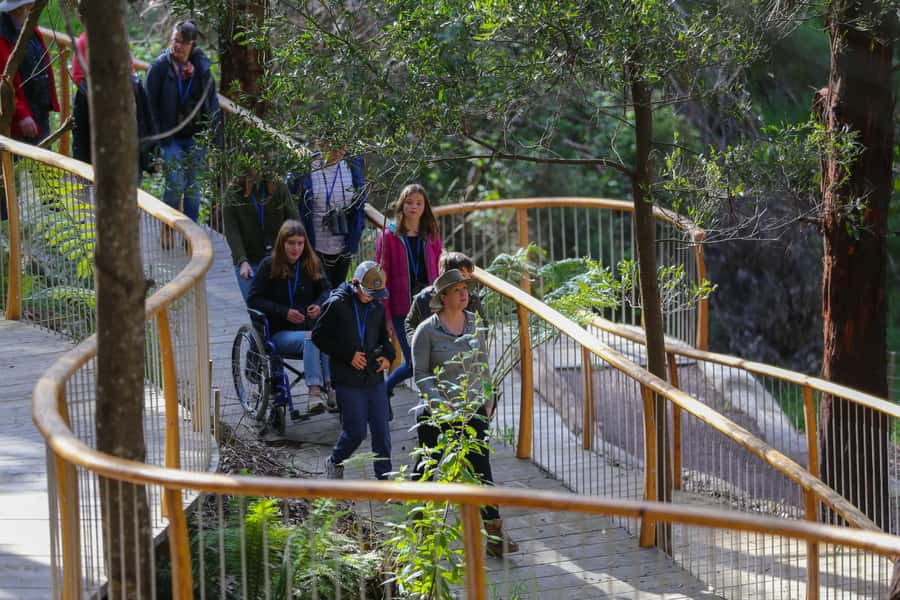
This tour is wheelchair accessible, and the path is gentle, so it’s built to be doable for a wide range of abilities. Still, you’ll want to be comfortable enough to enjoy the pauses and viewing moments.
Bring:
- Comfortable shoes
- A jacket
Even if the sky looks fine, bushland weather can shift. A light jacket keeps you comfortable during slow moments when you stop to look and listen.
Also, plan for photography rules. Since flash is not allowed, bring your camera settings accordingly. If you love low-light shots, you might want a strategy for steady photos without using flash.
Weather and timing: when plans might change
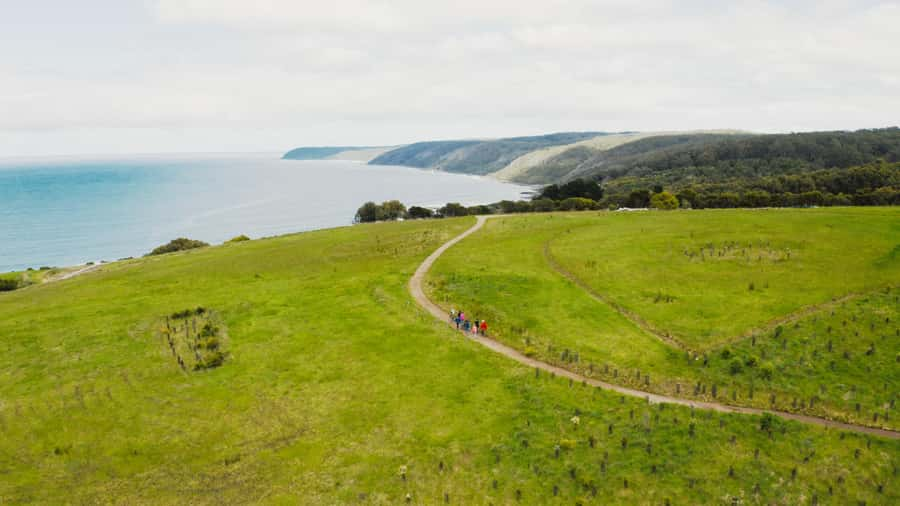
Tours run in almost all weather conditions, which is great because you’re not stuck only doing this on a perfect sunny day.
But the tour may be delayed or rescheduled if extreme weather threatens participant safety. That’s the honest tradeoff with nature activities. If heavy rain, strong wind, or other hazards hit, safety comes first.
Practical tip: build flexibility into your day. If you’re planning tight connections, keep some buffer time around this walk.
After the walk: Emu Cafe time without turning it into a second event
Once you finish the 75 minutes, you have an easy wind-down option. The experience includes time to relax with tea or coffee and a light lunch at the cafe.
Important detail: food and drink from the Emu Cafe is not included with the tour price. So think of the cafe as a convenient payoff, not a free meal plan.
There’s also a gift shop on-site, which is useful if you want something small that reminds you of the conservation focus, rather than another generic souvenir.
Price and value: is $41 worth 75 minutes?
At $41 per person for 75 minutes, the biggest question is value for your style of travel.
If you want a guided nature experience with structure, this price makes sense. You get:
- A live conservationist guide
- Headsets and binoculars
- Onsite parking included
- A stop at the Research Hub so the time isn’t only walking
The conservation funding angle matters too. The tour profits are invested into research and conservation projects to protect threatened species. So the experience is doing more than entertaining you.
That said, if you’re the type who wants maximum “wow” animal sightings in the shortest time possible, you might feel slightly annoyed by the randomness of wildlife. In that case, treat this as education plus a chance to observe, not a guaranteed wildlife bingo card.
For most travelers, though, the mix of guide-led spotting skills, a gentle route, and the research stop is a strong value combination.
Who should book this (and who might skip it)
This tour fits best if you:
- Want a guided way to spot wildlife rather than guessing on your own
- Like conservation stories with a real research stop
- Prefer a short walk over a long hike
- Travel with mixed ages or varied fitness levels, since the path is suitable for all ages and abilities
It might not be your best match if you:
- Only want the dramatic coastal viewpoints and want zero forest time
- Are hunting for a specific animal species and need it guaranteed
- Don’t enjoy guided walks or learning components
A few small rules that improve your experience
You’ll notice the tour has rules that protect both people and wildlife. The main one is no flash photography. Follow it, and you’ll help keep the tour respectful and more effective for everyone.
Also, wear your jacket and comfortable shoes. This is not a sprint. The experience works because you can stay steady during quiet observation moments.
Should you book this Great Ocean Road wildlife walk?
I’d book it if you want a Great Ocean Road day with meaning, not just distance traveled. The format is efficient: 75 minutes, a gentle 1.4 km walk, binoculars and headsets provided, and a genuine stop at a conservation research hub.
If you’re flexible about wildlife sightings and you enjoy learning how guides read habitat, you’ll likely feel like your time was well spent. And if you’re hoping to maximize photos, you’ll still get plenty, just with the right expectations and without flash.
If this is your first visit to the Otways area, it’s a strong way to understand what you’re actually seeing, and why protecting it matters.
More Tour Reviews in Apollo Bay

The Coast Road, Three More Ways
Recently added to the Apollo Bay list
- Apollo Bay: Dusk Discovery Great Ocean Road Wildlife Tour★ 4.6 · 14 reviews
- Great Ocean Road Tour PRIVATE LUXURY-FREE entry,hotel pickup★ 4.0 · 31 reviews
- Melbourne Great Ocean Road Benz SmallGroup&LuxCoach BigGroup★ 4.8 · 250 reviews
Great Ocean Road Tours, side by side.
 ★ 5.0Great Ocean Road Small-Group Eco Tour from MelbourneFrom $1066,607 reviews
 ★ 4.7From Melbourne: Great Ocean Road, 12 Apostles, Wildlife TourFrom $946,020 reviews
 ★ 5.0Great Ocean Road Reverse Itinerary Boutique Tour – Max 11 GuestsFrom $1064,186 reviews
 ★ 4.8Great Ocean Road Tour w/ Deluxe Minibus & Top-Rated GuideFrom $1052,644 reviews
 ★ 4.7Melbourne Great Ocean Rd Reverse Tour London Bridge WildlifeFrom $462,252 reviews
 ★ 4.5Great Ocean Road Extended–Top Stops&London BridgeFrom $421,920 reviews
 ★ 4.8From Melbourne: Great Ocean Road Boutique Tour in ReverseFrom $971,471 reviews
 ★ 5.0Great Ocean Road Full-Day Sunset Eco Tour from MelbourneFrom $1141,085 reviews
Browse the lists this tour appears in