
Review · WALKING TOURS
Icons of Melbourne Walking Tour
Melbourne tells its story in lanes and landmarks. On the Icons of Melbourne Walking Tour, you get a tight 2-hour path from State Library Victoria to Federation Square, with street art, iconic churches, and a proper coffee stop. I love how the route connects State Library Victoria to the city’s early years, then keeps pulling you forward with real neighborhood details. I also love the small group setup, limited to 10, which makes it easy to ask questions instead of just shuffling along. One possible drawback: it is a walk for 2 hours with no bag storage, so wear comfortable shoes and bring what you can carry.
If you want Melbourne’s famous look, but also the why behind it, this tour hits the sweet spot. You start near the State Library steps on Swanston Street and finish at Federation Square, corner of Swanston and Flinders Streets. Expect rain or shine, bring a water bottle (there are refill spots), and you will leave with a bundle of photo access plus insider tips on where to go next.
Key highlights that make this walking tour worth your $68
- State Library Victoria first, so you understand the city before you start spotting details
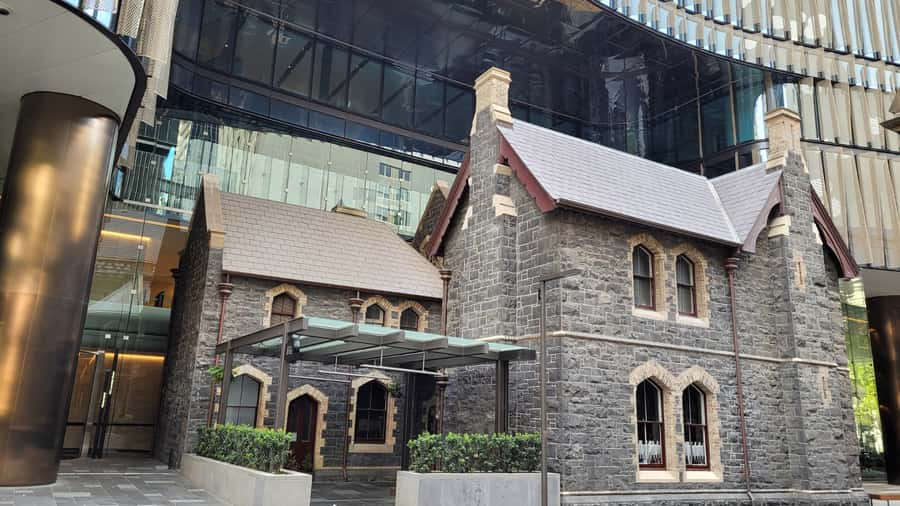
- Historic churches with stories, including St Francis Church, described as the oldest Catholic church in Victoria
- Laneways and street art with context, including stops around areas like Hosier Lane and ACDC Lane
- Coffee culture built into the route, with a café or hidden bar stop tied to why Melbourne became a coffee capital
- Influential Melburnians, from activists and artists to entrepreneurs and everyday heroes
- A strong ending at Federation Square, where the tour’s colonial-to-creative arc wraps up
Starting at State Library Victoria, the story begins before the street art
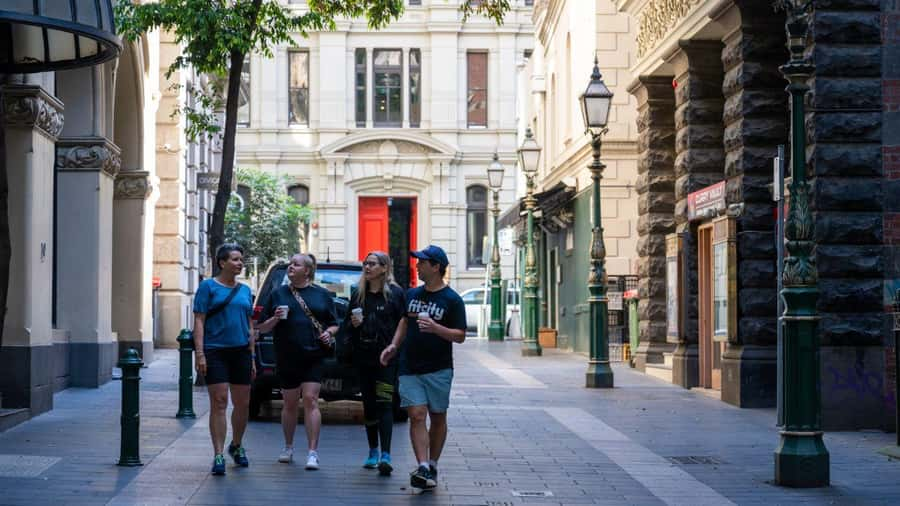
The tour kicks off at State Library Victoria, meeting near the steps on Swanston Street. That matters more than you might think. Most walking tours start in the busiest place and then scatter. This one starts in a place that actually explains Melbourne’s roots first, with the building’s dome and elegant reading spaces setting the tone.
Your guide walks you through what the library symbolizes for the city, then brings in the founding years and the gold rush era. That backstory is what helps you later when you see grand facades, older church architecture, and the “how did this place become itself?” feeling you get in Melbourne’s center. Instead of treating buildings like props, you start treating them like evidence.
And since it is a small group of up to 10 people, you are not stuck listening to a one-size-fits-all lecture. You can usually get your guide to explain the bits you care about most, like who lived here, what changed, and why certain areas developed the way they did.
A few more Melbourne bookings worth a look before you decide
- Great Ocean Road Small-Group Eco Tour from Melbourne
★ 5.0 · 6,607 reviews - From Melbourne: Great Ocean Road, 12 Apostles, Wildlife Tour
★ 4.7 · 6,020 reviews - Penguin Parade, & Wildlife Encounters Eco Tour from Melbourne
★ 5.0 · 3,774 reviews - Melbourne: Yarra Valley Wine, Gin, Whisky and Chocolate Tour
★ 5.0 · 3,667 reviews
Historic churches and the communities behind the bricks
After State Library, the route shifts from big civic symbolism into community stories, especially through the churches you pass. A standout name is St Francis Church, highlighted as the oldest Catholic church in Victoria. Even if you are not a church person, you will probably enjoy this part because the tour frames each site as a marker of community building, not just a building to photograph.
Your guide ties the churches to who made them possible and how communities organized themselves as Melbourne grew. That makes the architecture feel less random. You start noticing patterns in style and placement, and you understand why faith groups and local leaders mattered to the city’s momentum.
One practical note: you’ll still be walking through central streets, so if you want maximum comfort, bring layers. Melbourne weather can turn quickly, and the tour runs rain or shine.
Laneways, arcades, and street art you can actually read
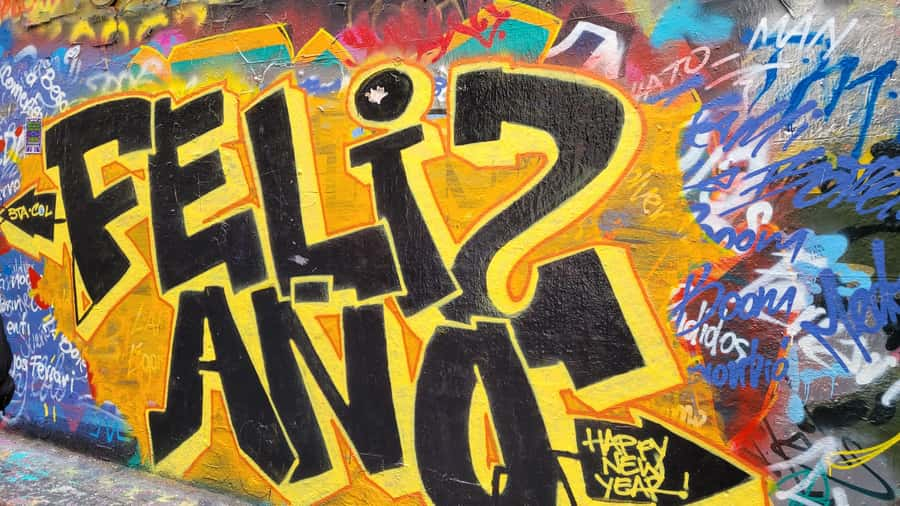
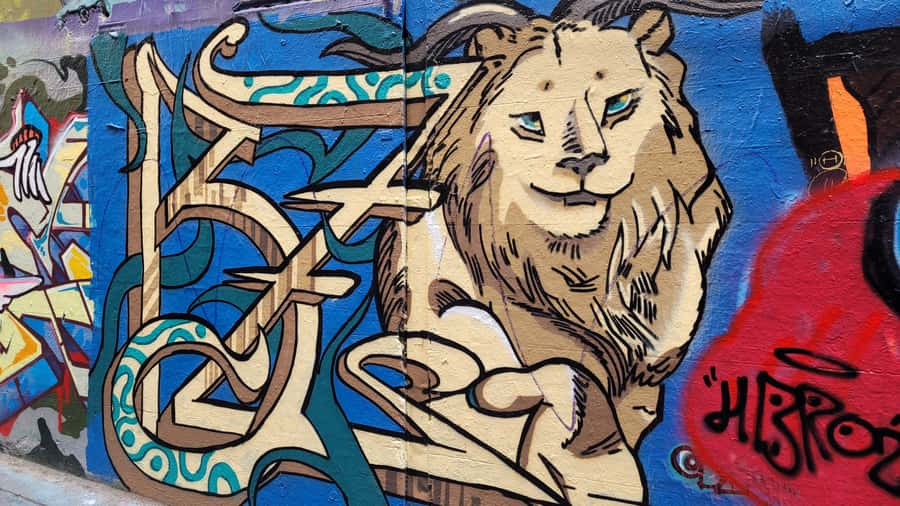
Melbourne is famous for laneways, and this tour treats them like an open-air museum. You head through handpicked routes that include laneways, arcades, and main streets, with special attention to street art areas like Hosier Lane and ACDC Lane.
Here is what I like about this approach. Street art can look like random visual noise if you only see it from the sidewalk. This tour connects it to the city’s culture of giving voice to different communities, and it frames what you are seeing as commentary, not just decoration. The guide points out how the art reflects Melbourne’s ongoing love affair with creativity, plus the fact that the city keeps evolving.
You should also expect some “look up, look sideways” moments. The best street art in Melbourne is often tucked away in corners, down narrow lanes, or behind the familiar main-street scenes. The tour’s route is designed to bring you to those spots before you start wandering on your own.
Collins Street and Swanston Street, where power meets pop culture
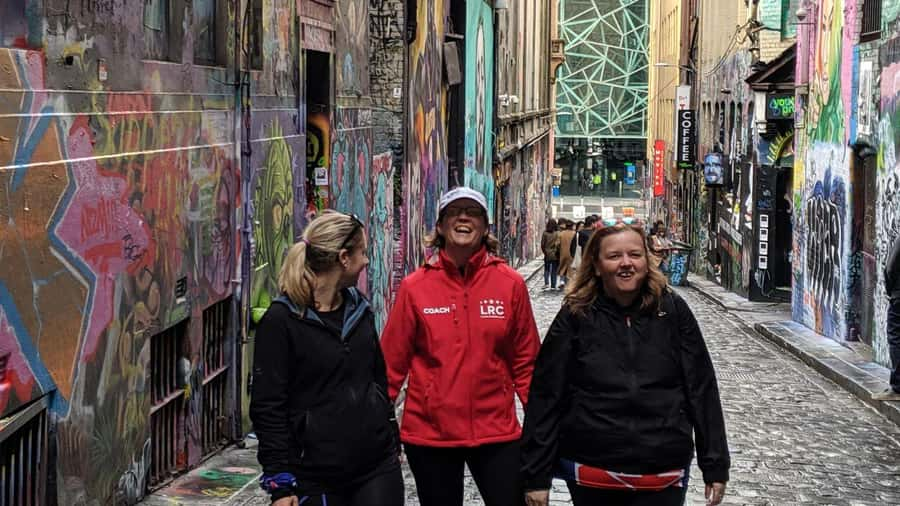
As you keep moving, the tour zooms out and zooms in again. It’s not just about narrow lanes. You also get the big-city pulse of Collins Street and Swanston Street.
Collins Street’s famous “Paris End” area gets attention for its grand feel, and Swanston Street is described as a convergence point for music, protest, and pop culture. That contrast is one of the tour’s strongest teaching tools. You see how Melbourne can look polished and formal on one stretch, then shift into creative and political energy just a short walk later.
You also learn about “influential Melburnians” who shaped the city. The guide focuses on different types of people: activists, artists, entrepreneurs, and everyday heroes. That mix is important. It stops the story from becoming only about famous elites. You get a broader sense of how a city identity forms from many kinds of contributions.
Coffee culture and the stop at a café or hidden bar
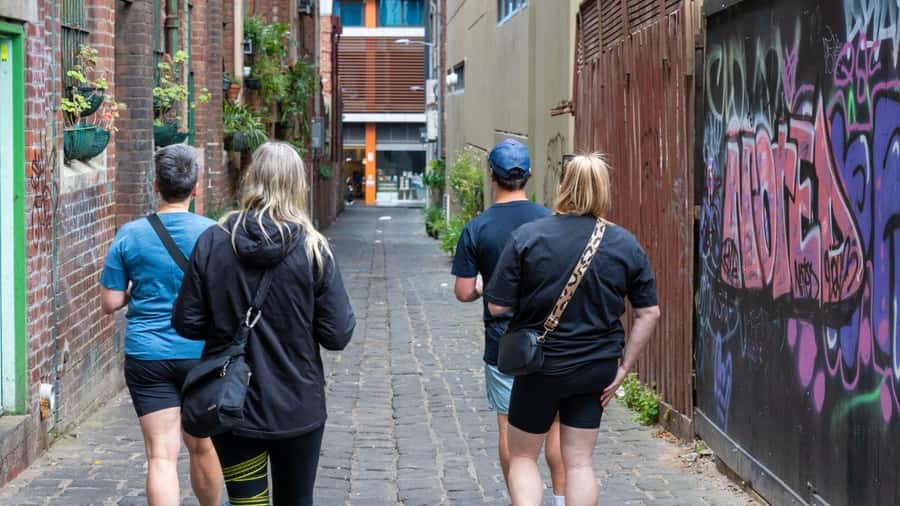
You cannot talk about Melbourne without coffee, and this tour builds it into the experience. Midway through, you stop at a local café or a hidden bar. The idea is not just to eat. It’s to connect the coffee culture with the city’s bigger story: post-war migration, third-wave roasting, and the way café habits became part of daily life.
This is where the tour is practical for your future plans. When a guide explains how the culture changed, it helps you choose where to go after the tour instead of randomly picking a café based on vibes alone. You get insider suggestions tied to what you just learned, including recommendations for where to explore, eat, and drink after you finish.
If you want to make the most of this part, come hungry. It is not positioned as a full meal tour, but the café stop is part of the rhythm. Also, if you care about caffeine timing, plan to order early when you arrive, because group timing is tight on a 2-hour schedule.
Architecture, old and new, plus a few places to notice on your own
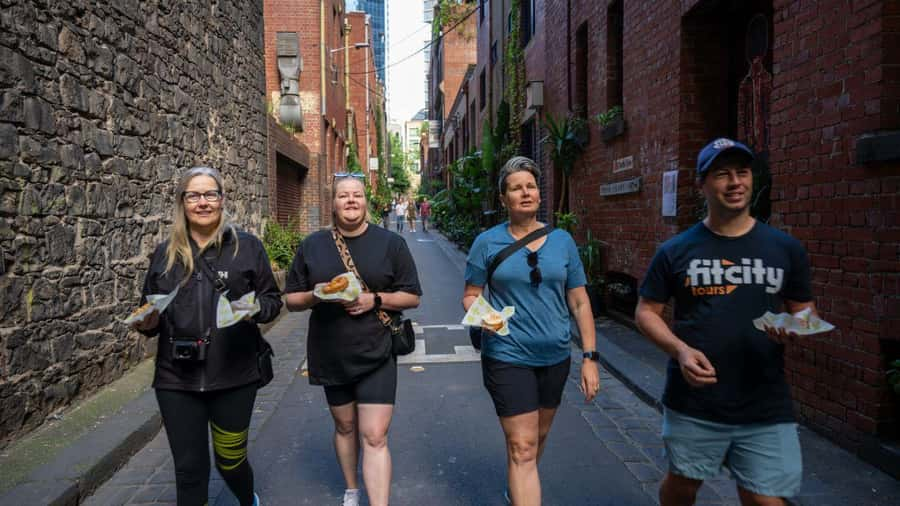
The walking route also points out architectural gems, including preserved heritage buildings and more contemporary designs. Melbourne’s identity is often described as a blend of old and new, and the tour shows it in motion. One minute you are looking at older structures that reflect earlier eras. The next you’re in areas shaped by later creativity and modern city planning.
This matters because once you see the “layers” of development on foot, your own sightseeing becomes easier. You will likely start noticing details faster, like what kinds of buildings survive, which areas were reshaped, and how creativity expresses itself across generations.
Other Melbourne walks that fill two hours well
Ending at Federation Square, the modern chapter clicks into place
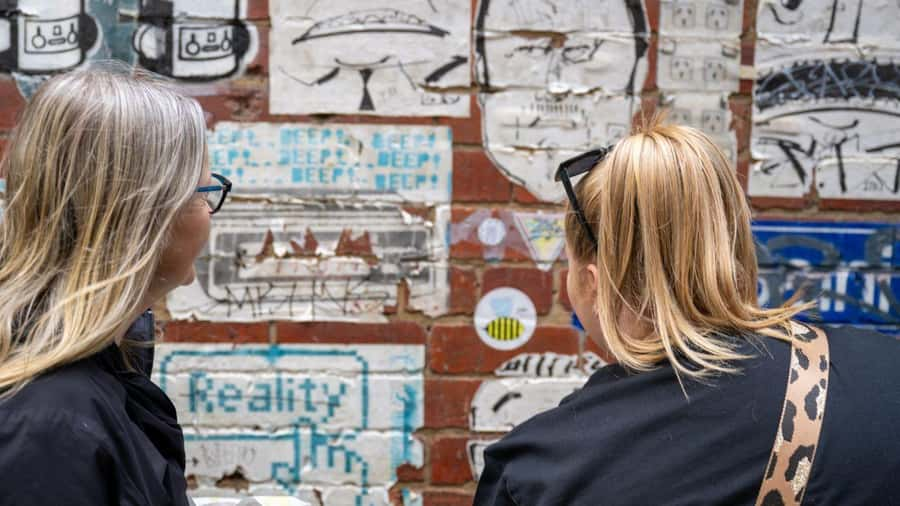
The tour wraps up at Federation Square, at the corner of Swanston and Flinders Streets. Ending here is smart. Federation Square is a modern cultural precinct, and it gives you a clean visual stop to match the tour’s bigger arc: colonial past and building foundations, then the city’s creative future.
It’s also a practical finish point. Flinders Street area is easy to connect from, and it is simple to jump into lunch, a tram ride, or a museum visit after you wrap up. Since the nearest train station to the end is Flinders Street, it’s a smooth transition if you are staying near the city center.
Price and value: what $68 buys in a 2-hour walking tour
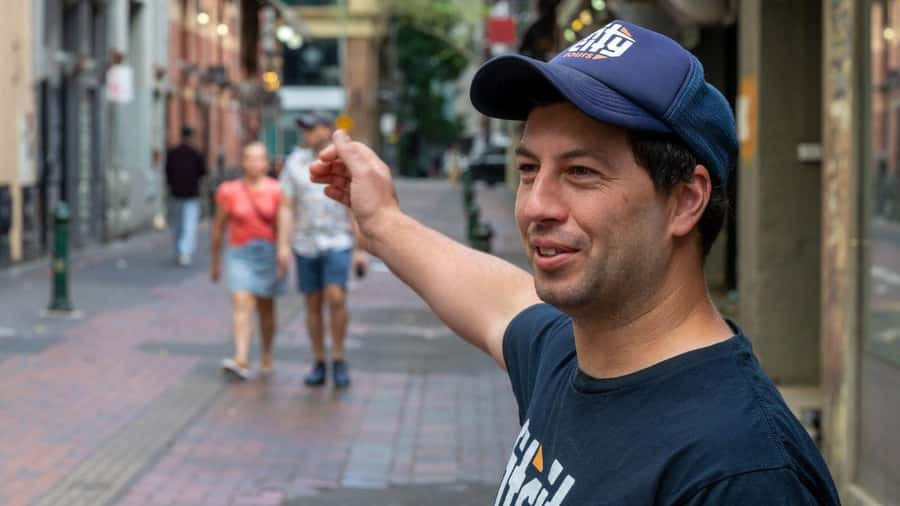
At $68 per person for a 2-hour tour, this is not a bargain bus-style deal. But it can be good value if you care about context and local guidance.
You are paying for:
- a live English-speaking guide with a focused route
- a concentrated story arc, from State Library to Federation Square
- a small group limited to 10 people
- included access to photos taken during the tour
- insider tips for where to explore, eat, and drink after
For me, the value question comes down to attention and pacing. In a city like Melbourne, it is easy to spend money on “pretty places” and learn almost nothing. This tour tries to solve that by connecting each stop to people, change, and culture, not just architecture and street names. The price also makes sense because you get that planned coffee and café or bar stop inside the 2-hour timeframe.
If you only want a quick photo loop with minimal talking, you might find a guided format less useful. If you want the city’s meaning, $68 for a focused, small-group walk can feel like money well spent.
Who this tour suits best, and who might want a different plan
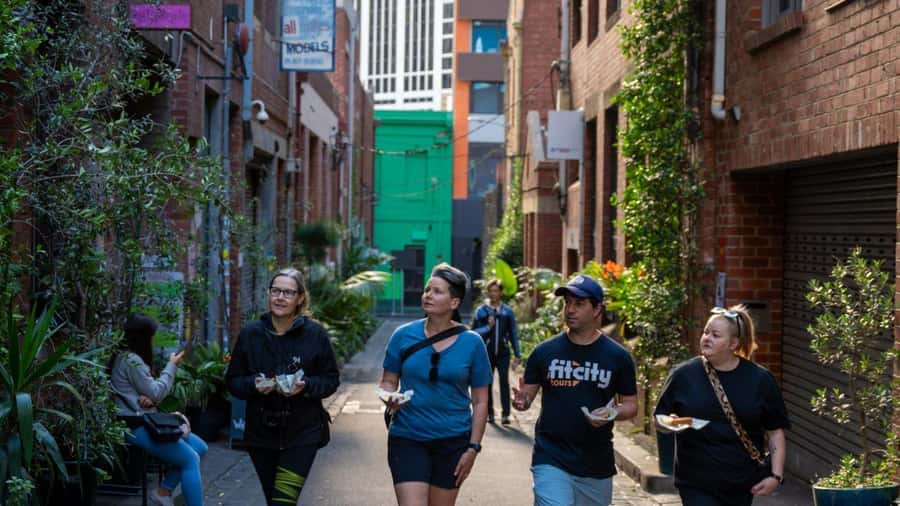
This tour is ideal for:
- First-time visitors who want a guided orientation through central Melbourne
- Coffee lovers who want the story behind the café culture, not just a caffeine hit
- People who like street art and want it explained with more than a quick glance
- Families and groups of mixed ages, since the content is designed to land for both adults and younger people
It may be less ideal if:
- You dislike walking for sustained stretches, since the tour runs about 2 hours
- You need storage for bags during the walk, since there are no storage facilities
- You want lots of long indoor stops, since this is a walking tour with outdoor streets, laneways, and quick looks
Practical tips so you enjoy every step
A few small choices make a big difference on this kind of tour:
- Wear comfortable shoes you can walk in for 2 hours without thinking about it.
- Bring a water bottle and use the refill stations along the route.
- Dress for weather and expect rain or shine.
- Travel light since there is no bag storage at the start or along the way.
Also, show up on time at the meeting point near the State Library steps on Swanston Street. The start is in a busy central area, and group timing is part of keeping the route on track.
Should you book the Icons of Melbourne Walking Tour?
Book it if you want a focused, story-driven walk through Melbourne’s center, with State Library Victoria, street art lanes, historic churches, and a coffee culture stop all tied into one route. It is especially strong when you value a small group, a guide who explains how people shaped the city, and practical recommendations for what to do after.
Skip it if you want a strictly quiet experience, minimal guide talk, or lots of long seated time. With a 2-hour walking format and no bag storage, it is better for people who are ready to move.
If that sounds like you, this is a smart way to get your bearings fast and see Melbourne like it means something, not just like it looks good in photos.
FAQ
How long is the Icons of Melbourne Walking Tour?
It lasts 2 hours.
What does the tour cost?
The price is $68 per person.
Where does the tour start and end?
It starts at State Library Victoria near the steps on Swanston Street, and ends at Federation Square at the corner of Swanston and Flinders Streets.
Which train stations are closest?
The nearest stations are Melbourne Central (start) and Flinders Street (finish).
Is the tour guided, and what language is it in?
Yes. It is a live guided tour in English.
Is the tour wheelchair accessible?
Yes, it is listed as wheelchair accessible.
How big is the group?
The tour is a small group limited to 10 participants.
Does the tour run in bad weather?
Yes, tours operate rain or shine.
What is included in the experience?
You get a knowledgeable and engaging tour guide, access to photos taken during the tour, and insider tips on where to explore, eat, and drink after the tour.
More Tours in Melbourne



More Tour Reviews in Melbourne
More Melbourne Tours in Melbourne

Recently added to the Melbourne list
- [PRIVATE TOUR] Mornington Peninsula Hot Springs | Winery & Sightseeing Tour★ 5.0 · 3 reviews
- Melbourne Tours Walk the Yarra & Historic Boathouse Lunch★ 5.0 · 3 reviews
- 3.5 Hours Group tour Melbourne trouble-makers tour★ 4.5 · 3 reviews
- Jewish Scene in multi cultural Melbourne★ 5.0 · 3 reviews
- Yarra Sunrise Running Tour★ 5.0 · 3 reviews
Walking Tours, side by side.
 ★ 5.0Ultimate Melbourne Walking Tour: History, Laneways & CultureFrom $921,451 reviews
 ★ 4.5Great Ocean Road Tour Plus Koalas, Forest Walk and Morning Tea1,068 reviews
 ★ 4.5Great Ocean Road 12 Apostles & Rainforest Walk with Morning TeaFrom $93549 reviews
 ★ 5.0Melbourne Foodie Discovery Walking TourFrom $92530 reviews
 ★ 5.0Original Melbourne Lanes and Arcades Walking TourFrom $99389 reviews
★ 4.8Ultimate Melbourne Walking Tour: History, Laneways & CultureFrom $91338 reviews
 ★ 5.0Aboriginal Heritage Walk – Royal Botanic Gardens Victoria, Melbourne GardensFrom $30314 reviews
 ★ 4.93-Hour Foodie Discovery Walking TourFrom $91313 reviews
Browse the lists this tour appears in