
Review · SHOPPING TOURS
Melbourne: Gangsters, Brothels and Lolly Shops Tour
Little Lon sounds like a myth, but it is street history. This 2-hour walk through Melbourne’s former red-light and slum district is packed with stories of Squizzy Taylor, women who ran the area, and the underworld that sat close to what people ate and bought every day.
I especially like how you learn the “why” behind the chaos, not just the sensational bits. You also get a free tour booklet with photos, which makes it easier to remember faces, names, and places after the walking stops. Michael Shelford leads as a writer and historian, and the storytelling stays clear and entertaining.
One consideration: it is more stop-and-stand than a long hike. If you like constant motion, plan for a few longer pauses while you look at specific buildings and laneways. Comfortable shoes matter.
Key things you’ll notice on the walk
- Little Lon in focus, the c. 1850s to 1940s downtown district that was largely run by women
- Squizzy Taylor’s former home area, discussed right at street level
- Houses of ill-fame buildings, plus how brothels and sly grog shops operated
- Opium dens and cocaine cafes, with attention to the people who went in and out
- The Combine, an all-female crime syndicate, and the power struggle around it
- A surviving single-storey cottage, including what still exists in Melbourne’s back lanes
Little Lon, not just a name: the story behind Melbourne’s underworld lanes
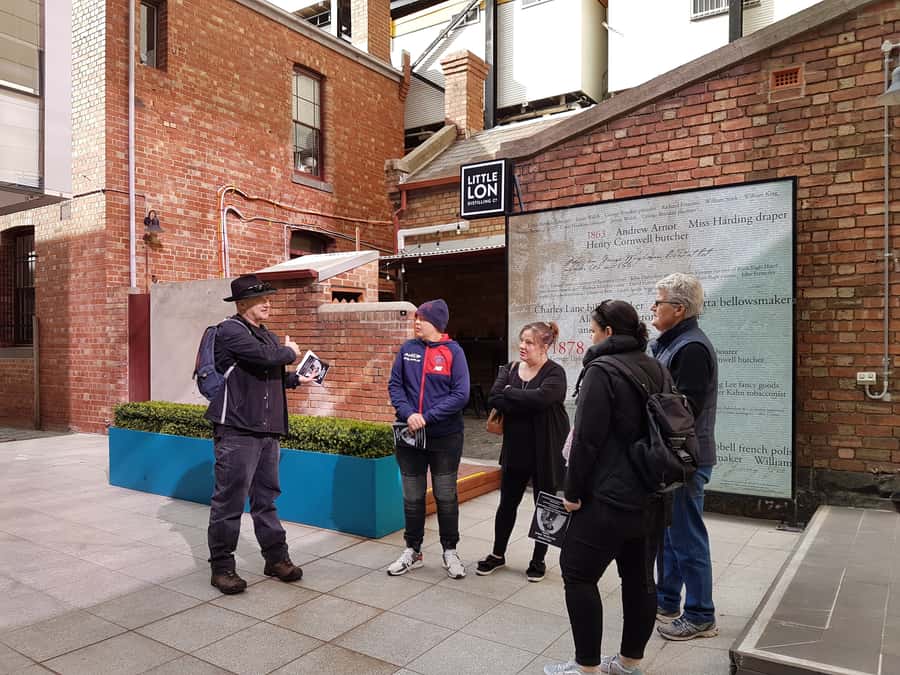
This tour takes you to a part of Melbourne many people walk past without thinking. Little Lon was downtown’s slum and red-light district, active roughly from the c. 1850s to the 1940s, when the city’s darker side was mixed into normal street life. The key angle here is power. You are not just hearing about criminals, you are learning how control of the area shifted, especially among the women who ran it.
What I like about the framing is that it treats the era as a system. There are gangsters, police pressure, and turf battles, but there are also madams managing operations, protecting income, and pushing back when the local underworld got squeezed. You hear how conflicts escalated into shootings, bombings, bashings, and robberies, with drugs like opium and cocaine showing up as part of the nightlife and commerce.
And then comes the part that makes the name feel even more real. You are walking near buildings tied to specific kinds of businesses that used to work openly enough to be part of the city’s geography. When you can see the street corners and laneways involved, the stories land harder than a lecture ever would.
A few more Melbourne bookings worth a look before you decide
- Great Ocean Road Small-Group Eco Tour from Melbourne
★ 5.0 · 6,607 reviews - From Melbourne: Great Ocean Road, 12 Apostles, Wildlife Tour
★ 4.7 · 6,020 reviews - Penguin Parade, & Wildlife Encounters Eco Tour from Melbourne
★ 5.0 · 3,774 reviews - Melbourne: Yarra Valley Wine, Gin, Whisky and Chocolate Tour
★ 5.0 · 3,667 reviews
Starting at 282 Exhibition Street: pacing, comfort, and what you should expect in 2 hours
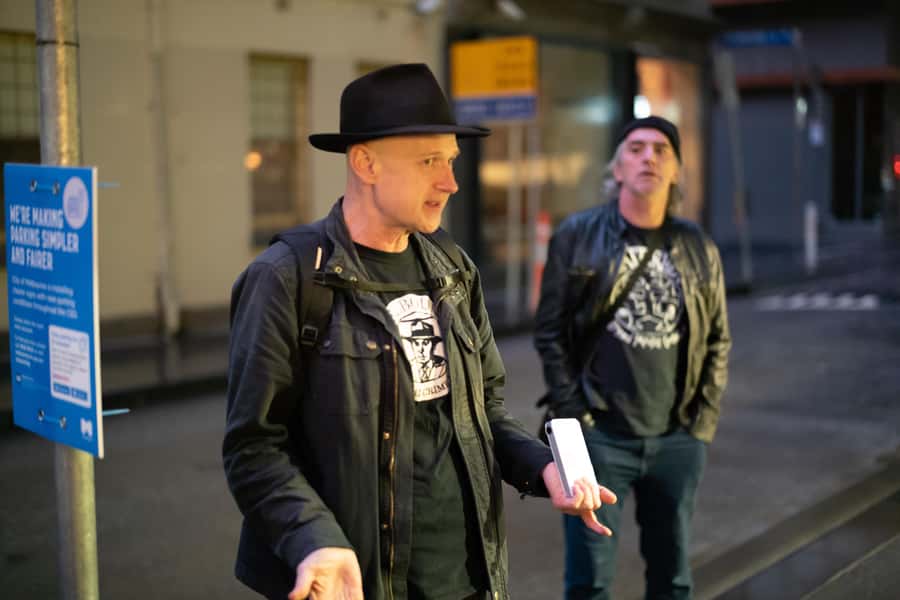
The experience starts at 282 Exhibition Street (Coopers Inn Hotel). The group leaves from that spot right on starting time, so I suggest arriving a few minutes early rather than cutting it close. If you are running a little late, you will likely spot the group in the small paved park across the lane.
The tour is 2 hours, and the pacing matches the subject. You do not cover a huge distance, because the focus is precision. The guide wants you to look at the same streets and building lines where major stories unfolded, so you will spend time at key points rather than power-walking nonstop.
A small but practical tip: wear comfortable shoes. The tour route includes streets and alleys, and you will feel it more if you are in anything stiff or slippery. Weather protection is also worth planning for, because Melbourne conditions can change fast, and you are outside for the whole show.
Wheelchair access is listed, so the walking approach is meant to be manageable for different mobility needs. That said, because it is still a walking tour, you should expect some time on pavement and the need to stand still for explanations at stops.
The Squizzy Taylor stop: where gangster legend meets street evidence
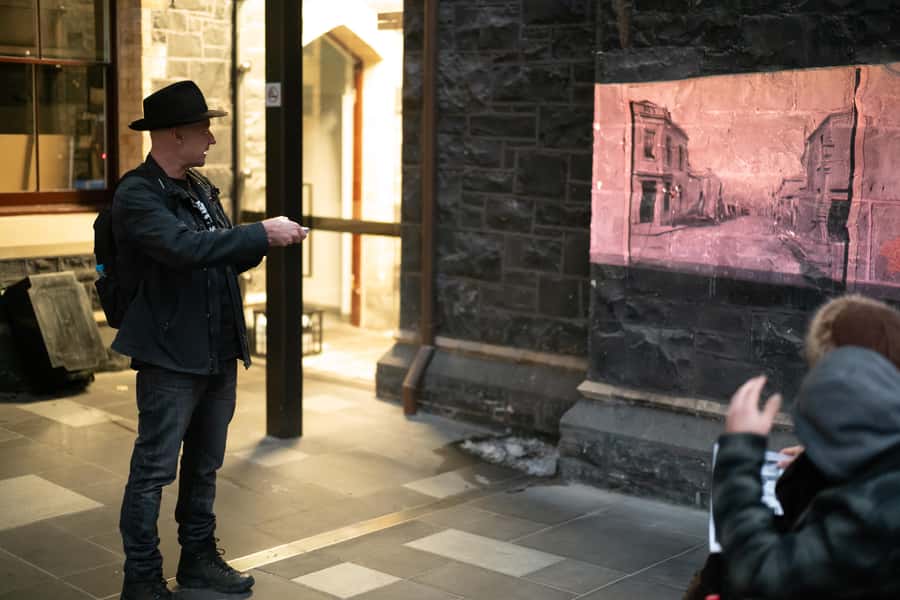
One of the standout moments is the stop outside the former home of Australia’s most famous gangster, Squizzy Taylor. This is one of those points where the guide can connect a name you might recognize with a specific location you can stand in front of. Instead of just repeating a legend, you learn how local power and enforcement played out on actual streets.
What I think makes this stop valuable is how it sets context for everything else. Once you understand that major figures operated within a web of local businesses, street networks, and policing, the later themes make more sense. The district was not just a collection of crimes. It was an economy with rivals, operators, and pressure from authorities.
Also, the tour does not treat gangsters as untouchable movie villains. You hear about the battle for supremacy, and how madams and operators tried to hold ground against well-known figures and against police action. That angle gives you a more complete picture of why the violence happened and why it kept recurring.
Brothels and sly grog shops: spotting what used to sell sex and alcohol
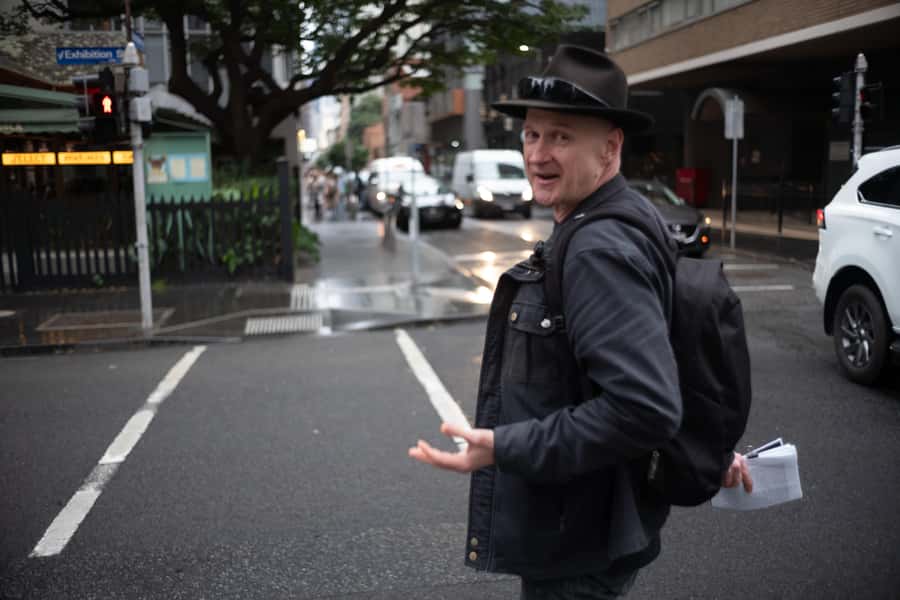
The tour spends real time on buildings that were once part of the “houses of ill-fame” and sly grog (speakeasy) world. On the street, those words can sound abstract, but here you connect them to the buildings you can see and the laneways that helped people move around.
You learn what those places were like and how they fit into daily life. The guide explains that these were not hidden in some far-off location. They were connected to downtown movement, which meant they drew crowds, created reputations, and triggered disputes when other groups tried to take over trade or territory.
This section also gives you a useful way to interpret the tour theme beyond shock value. When a guide shows you a building tied to a sly grog shop, you start to notice how the city used to function socially after dark. You get a glimpse of how people spent nights, how money circulated, and how enforcement responded.
And there is a thread of humor at just the right times. It is not about making light of harm, it is about keeping the stories readable. When the guide points out the everyday details like what people might have bought at local confectionery spots and how tastes and habits shaped demand, you get a more human view of the era.
The Combine and the women’s power struggle: crime run by women, not just men
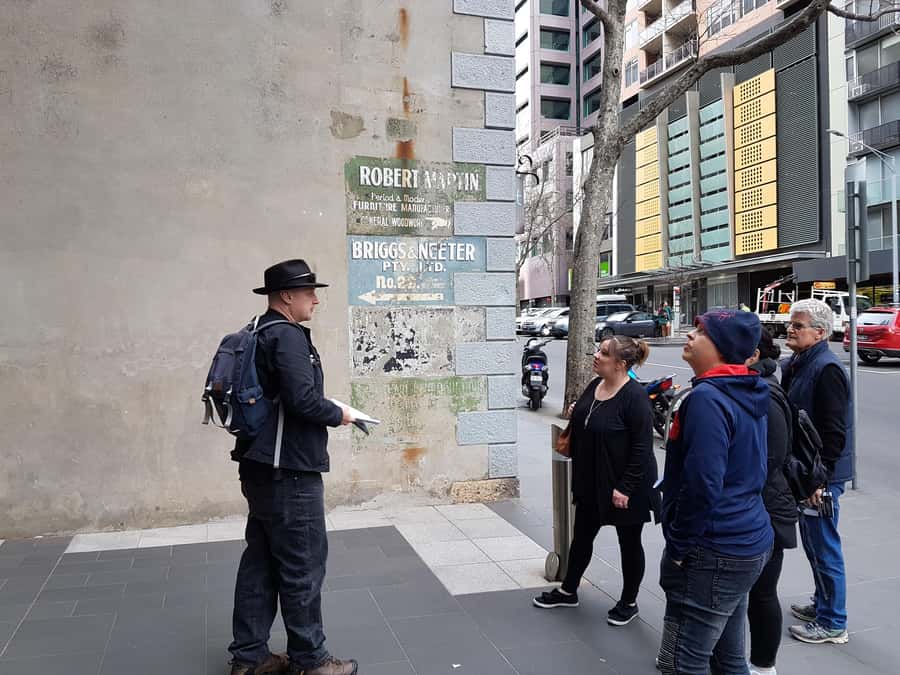
One of the most compelling ideas on the walk is that Little Lon was mostly run by women. The tour highlights the madams who stood their ground, the battles against gangsters and police, and the all-female crime syndicate known as The Combine.
This is not just a trivia fact. It changes how you interpret the entire district. If you picture the era as men versus police, the story feels familiar. If you picture it as organized women managing risk, reputation, and money while trying to survive under pressure, the district becomes something you can truly understand.
I also appreciate that the guide ties this to real conflict, not fantasy. You hear about supremacy struggles and retaliation, and you get a sense that the women running the area were not passive. They were running operations and making choices in a hostile environment.
That perspective is why I would recommend this tour even if you are not usually into gang history. You are getting a local power story built from the street and the people who controlled it.
Opium dens and cocaine cafes: the after-hours world behind the doors
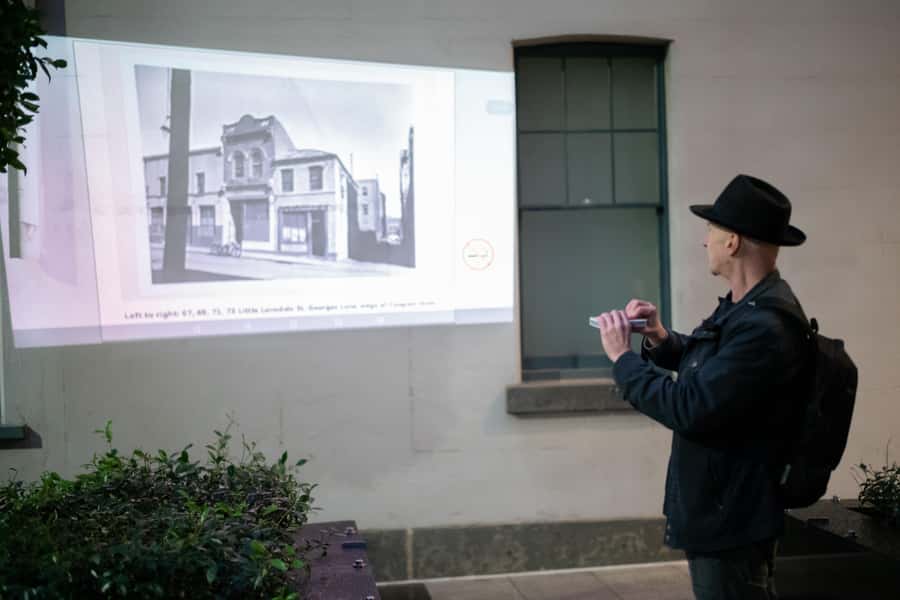
The tour includes stops that point to former opium dens and all-night cocaine cafes. The big thing here is that you learn about the characters who frequented these premises, not just the drugs themselves.
On a walking tour, it is easy for darker topics to feel like a list of grim labels. Here, the guide connects the dots between the types of nightlife venues and the kind of crowd they drew. That helps you understand the district as a social ecosystem, where different activities sat side by side and where demand could keep harmful businesses alive.
You also hear about how violence and robbery could be tied to that nightlife economy. When you have heard the earlier parts about brothels, sly grog shops, and the power struggles around supremacy, the drug den stories fit into the same map of incentives and conflict.
One practical tip for you: bring an open mind. The tour covers shootings, bombings, bashings, brothels, robberies, opium, cocaine, and sly grog. That content is part of the historical reality the guide is describing, but the delivery is structured so you are not just hit with gore. You are guided through context.
A few more Melbourne bookings worth a look before you decide
The last remaining single-storey cottage: seeing what survives in Melbourne’s back lanes
Near the end, you visit the last remaining single-storey cottage in Melbourne’s back lanes. This kind of stop hits differently because it anchors the past in something physical that still exists.
Buildings like this help you grasp how much changed. The tour has already taken you through an era where people lived and worked under intense pressure. When you then stand in front of something that survived, it becomes easier to imagine what the laneway used to look like and how the district functioned day to day.
It is also a reminder of why street-level guides are worth your time. A city can rewrite itself quickly, but certain structures remain as evidence. Seeing that cottage makes the earlier stories feel less like dramatic anecdotes and more like a coherent set of places and people.
Price and value: what $35 gets you for 2 hours
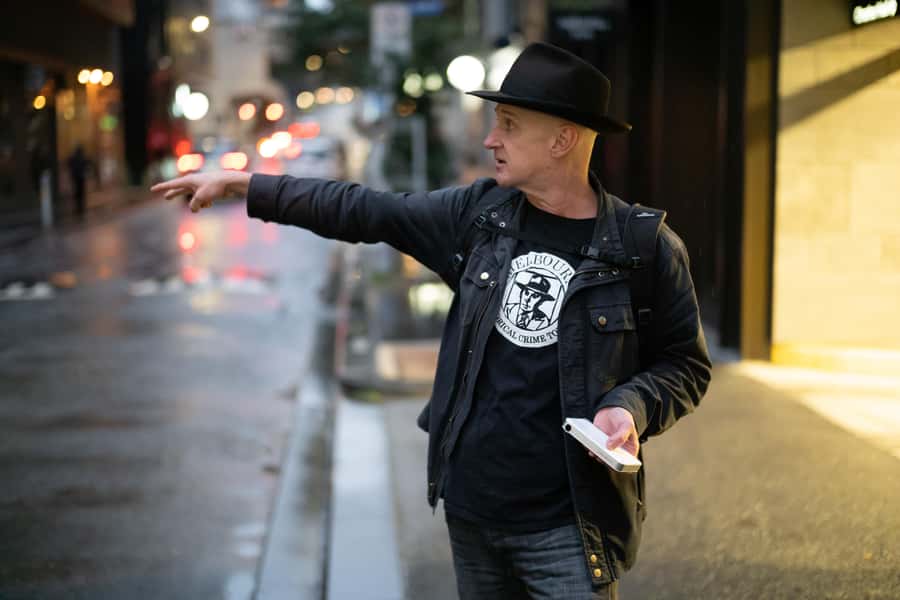
At $35 per person for a 2-hour walking tour, this can be good value if you like guided storytelling with real place-based detail. You are paying for a guided route, a live host, and interpretation of historical locations that most people would never notice.
The free tour booklet with photos of featured characters is a big part of the value. After the walk, you can flip through the booklet and connect names to the buildings you saw. That matters because the stories include multiple figures and themes, and the booklet helps prevent everything from blending together.
You also get a guide who keeps things interactive. From what I can tell about the delivery style, the tour is not just monologue. You can ask questions, and the guide builds answers into the flow so the group stays engaged.
That said, if you want a tour that feels like non-stop motion, this may not be your perfect fit. The stops are close enough that it does not feel like you are marching across town, but you will spend time standing while you look at specific corners and structures.
Who this tour is best for, and who might want a different option
I think this is a great match for:
- You like street history and want to connect stories to locations you can see
- You are curious about Little Lon and how crime and community power worked in c. 1850s to 1940s Melbourne
- You enjoy a strong storyteller who uses context, not just names
It might be less ideal if:
- You prefer light, upbeat history with minimal violence. The tour does include a range of serious criminal events as part of the historical picture
- You want lots of walking time. The emphasis is on stops and building-focused explanations
If you are local, this tour can still surprise you. A lot of residents know Melbourne’s modern shape but have never really thought about how a district like Little Lon fit into the downtown city grid.
Should you book this Gangsters, Brothels and Lolly Shops Tour?
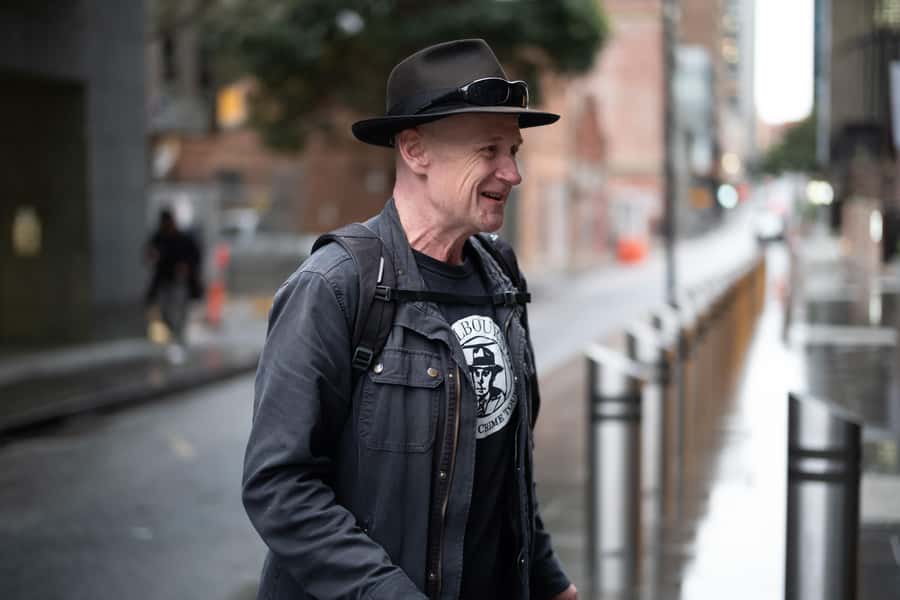
If you want a guided walk that makes Melbourne’s past feel tangible, I would book it. The tour’s strength is its place-first storytelling, from the Squizzy Taylor stop to the surviving single-storey cottage, plus the focus on women who ran Little Lon and The Combine.
Do it if you are comfortable with darker subject matter presented in context. Bring your curiosity, wear comfortable shoes, and give yourself permission to imagine what those laneways looked like when businesses like brothels, sly grog shops, and drug dens were part of the street scene.
If that sounds like your kind of Melbourne, you will get a lot out of these 2 hours.
FAQ
How long is the Melbourne: Gangsters, Brothels and Lolly Shops Tour?
The tour lasts 2 hours.
How much does the tour cost?
It is listed at $35 per person.
Where does the tour start?
You meet at 282 Exhibition Street (Coopers Inn Hotel).
What if I am late to the meeting point?
If you are a little late, you will probably see the group in the small paved park across the lane.
Who leads the tour?
The tour is delivered by writer and historian Michael Shelford, with a live English guide.
What is included with the tour?
You receive a free tour booklet with photos of the characters featured on the tour.
Will I be walking on the tour?
Yes, it is a walking tour through streets, alleys, and back lanes, so you should wear comfortable shoes.
Is the tour wheelchair accessible?
Wheelchair accessibility is listed as available.
Is the tour suitable for different weather?
You should wear weather protection as conditions require, and sunscreen is recommended.
Can I cancel or pay later?
Free cancellation is available up to 24 hours in advance for a full refund, and there is a reserve now & pay later option.
More Tours in Melbourne



More Tour Reviews in Melbourne
More Melbourne Tours in Melbourne


Recently added to the Melbourne list
- [PRIVATE TOUR] Mornington Peninsula Hot Springs | Winery & Sightseeing Tour★ 5.0 · 3 reviews
- Melbourne Tours Walk the Yarra & Historic Boathouse Lunch★ 5.0 · 3 reviews
- 3.5 Hours Group tour Melbourne trouble-makers tour★ 4.5 · 3 reviews
- Jewish Scene in multi cultural Melbourne★ 5.0 · 3 reviews
- Yarra Sunrise Running Tour★ 5.0 · 3 reviews
Shopping Tours, side by side.
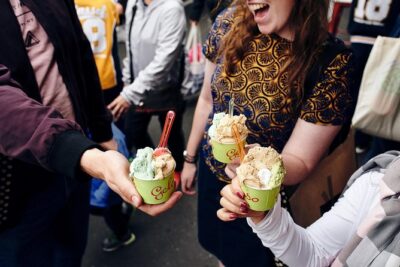 ★ 5.0Queen Victoria Market Ultimate Foodie TourFrom $78295 reviews
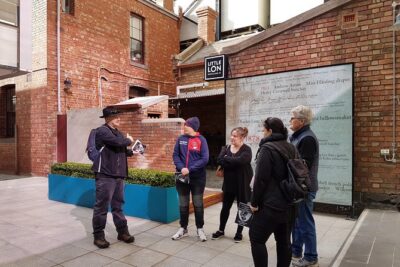 ★ 5.0Melbourne Historical Walking Tour: Crime, Gangsters & Lolly ShopsFrom $35137 reviews
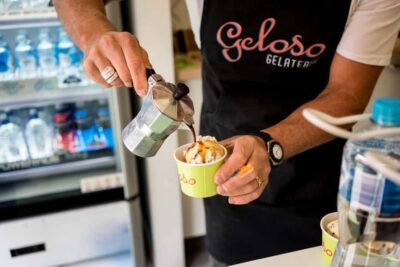 ★ 4.7Melbourne Flavors: Queen Victoria Market Food TourFrom $4939 reviews
 ★ 5.0Queen Victoria Market: ‘Flavours of Australia’ Food TourFrom $529 reviews
 ★ 5.0South Melbourne Market Foodie TourFrom $853 reviews
Browse the lists this tour appears in