
Review · MELBOURNE LANEWAYS & STREET ART TOURS
Melbourne Laneways Tour
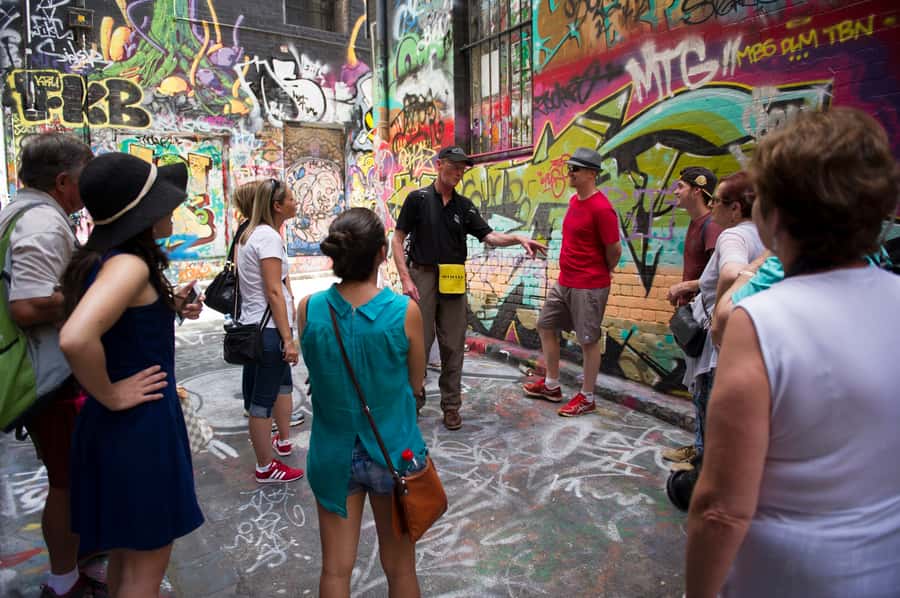
Melbourne’s laneways can feel like a maze, so this tour is the shortcut. I love the way a local guide connects street art, architecture, and city origins into one easy story, and I also like the included coffee stop that gives you a breather and a chance to swap tips with your group. One thing to consider: you are doing a walking tour, including crossings near small laneways where you need to watch your own footing and traffic.
You’ll meet at St Paul’s Cathedral at the corner of Flinders St and Swanston St, on the front walkway between the main Flinders St entrance and the side door on Swanston St. The guide carries a blue bag with a yellow sash, and you’ll spend about 3 hours weaving through inner Melbourne with a small group of up to 10. Expect English narration, a guide who has first aid training at Level 2, and a route that balances big-picture history (gold rush to the birth of Australia) with the tiny, fun details you’d miss on your own.
Key things I’d circle on your map
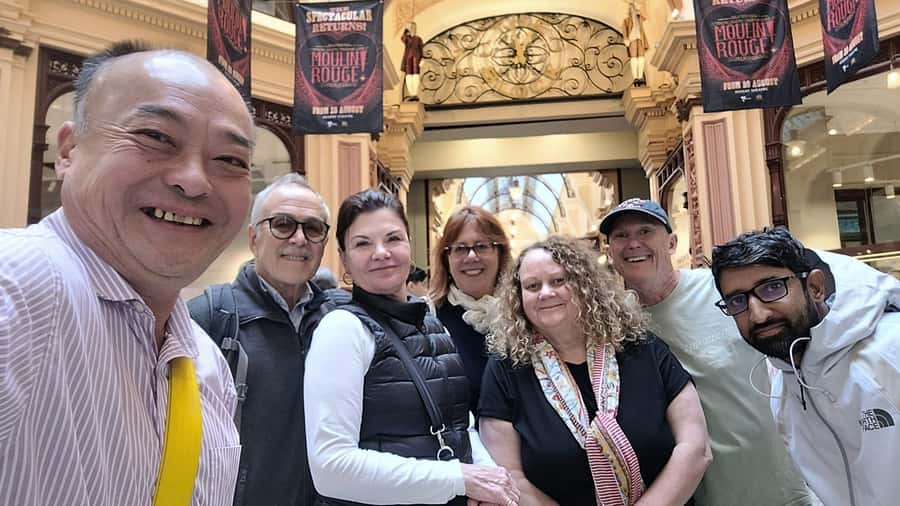
- A small group of 10 means you can actually hear the stories and ask questions.
- Coffee stop included, built in mid-tour so you are not walking on empty.
- Street art with specific references, including works mentioned like Banksy parachute rats and Space Invader art.
- Laneways, arcades, galleries, and side-shop corridors, not just one kind of alley.
- Architecture lessons on the move, so buildings make sense instead of being background noise.
- Focused 3-hour format, short enough for a first day in town but long enough to feel you got real context.
Where it all starts: St Paul’s Cathedral and the laneway hunt
The meeting point is easy to find but specific, and that matters when you are trying to beat the crowd. You start on the front walkway of St Paul’s Cathedral, right between the main Flinders St entrance and the side door on Swanston St. This matters because it puts you in the right part of the CBD to begin weaving into laneways quickly, without wasting time backtracking.
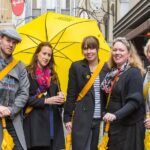
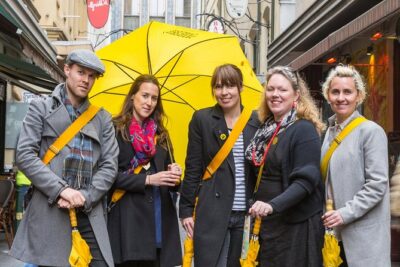
When the guide arrives, look for the blue bag with a yellow sash. That visual cue is useful, especially if you are meeting a group on a busy corner and you do not want to stand there half-reading street signs. From here, the tour turns your attention from the big streets to the in-between spaces that make Melbourne feel like it has multiple cities stacked on top of each other.
Deeper into the painted lanes
- Ultimate Melbourne Walking Tour: History, Laneways & Culture
★ 5.0 · 1,451 reviews - Melbourne’s Living Laneway Scene: Local Bars and Their Stories
★ 5.0 · 542 reviews - Original Melbourne Lanes and Arcades Walking Tour
★ 5.0 · 389 reviews - Melbourne Street Art Tour
★ 5.0 · 378 reviews
How the 3-hour format really works in practice
A lot of walking tours run long, then rush the best bits. This one tends to hit the sweet spot: about 3 hours for laneways, street art, and stories without turning your legs into jelly.
Because the group is limited to 10 participants, the guide can manage pace in a human way. Many people in the guide stories talk about pace that stays easy to follow, with enough time to pause for photos. That is a big deal in Melbourne laneways, where it is easy to get separated just by being a step slower at a tight corner.
You’ll also be spending time on controlled pedestrian crossings when moving across main intersections, then transitioning into smaller laneway crossings where the responsibility shifts back to you. The tour is built for real city walking, not a staged pedestrian parade, so bring shoes you can trust.
Coffee stop: the smartest break you’ll take all day
One of the most practical parts of the tour is that coffee is included. Not just as a reward, but as a reset. In 3 hours, you will get plenty of stories, plus walking that is tighter than a typical city stroll. A scheduled coffee stop keeps energy up for the second half, and it gives you a natural moment to ask the guide for personal recommendations.
A few guides on this tour have also been praised for taking people to places that feel hard to find on your own. Even if you already know where you want to eat, this coffee stop is where you can sharpen your choices based on location, mood, and what your walking legs can handle next.
Street art you can name, not just photograph
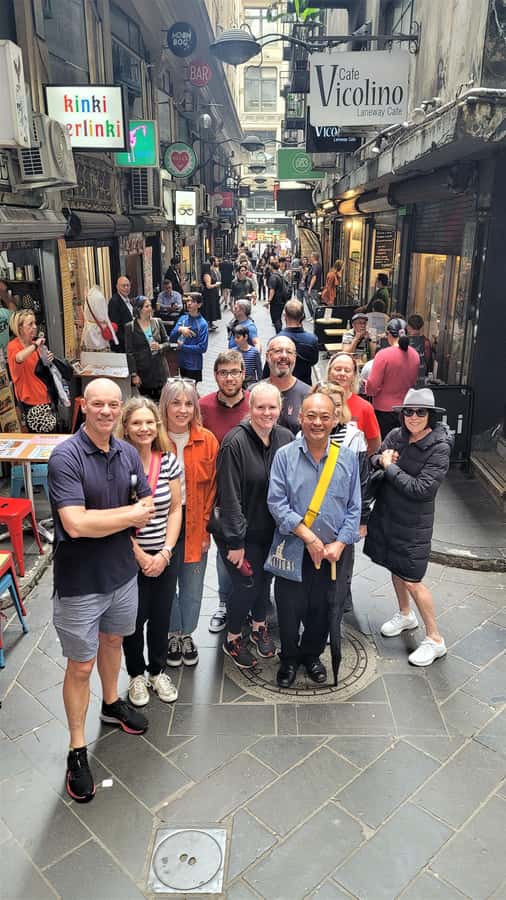
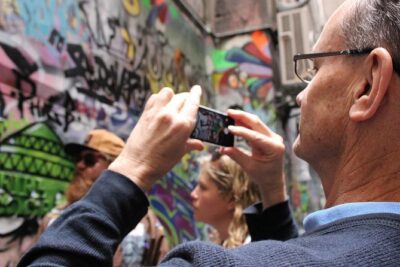
Melbourne is famous for street art, but seeing it without context can turn into random photos and vague captions. What I like about this tour is how the guide connects what you are looking at with artists and the broader lane-story that made this style part of the city’s identity.
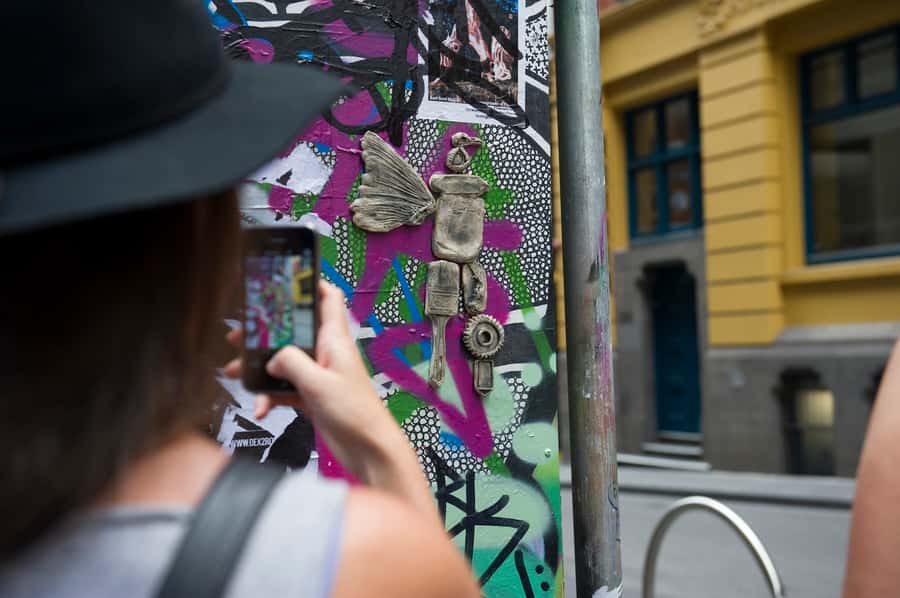
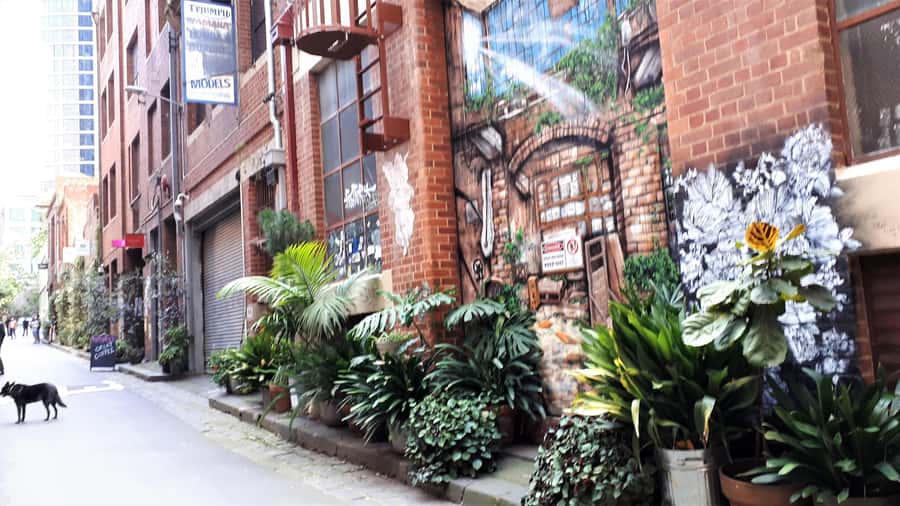
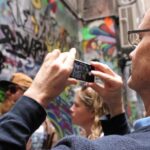
You can expect time spent on street art and walls where the details matter. In particular, references like Banksy parachute rats and Space Invader art come up, which is exactly the kind of specificity that helps you remember what you saw later. One of the best moments people describe is finding street art while it is being actively created, including a case where an artist was working up a ladder. That is the kind of serendipity that happens more when you are not just hunting by yourself.
There is also an art lesson here. The guide helps you see how laneway walls act like public galleries, how styles change over time, and how Melbourne’s history keeps getting re-written in paint, stickers, and stencil work.
Hidden shops, galleries, and the lane-level side of Melbourne
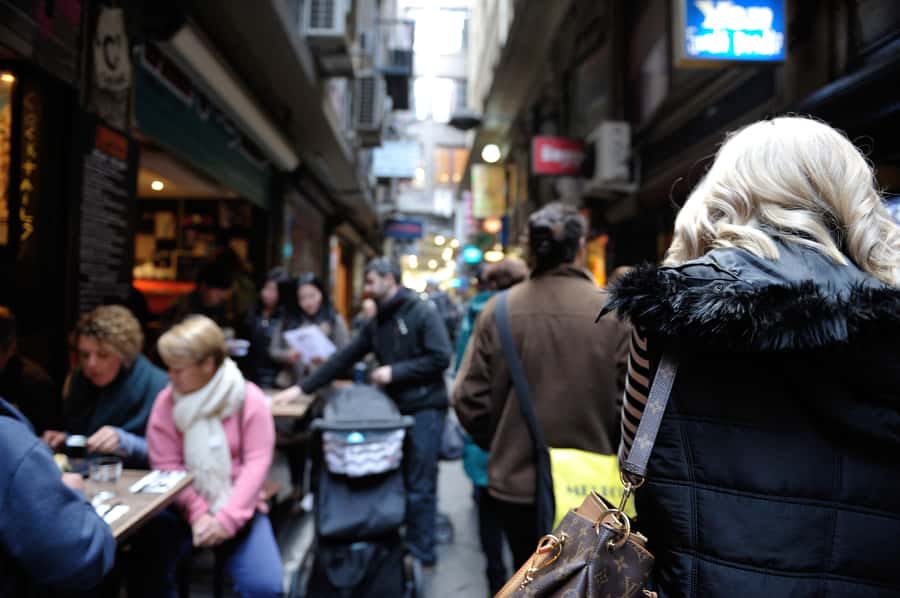
The route is not only about murals. You’ll also weave past small shops, galleries off the main streets, and quirky café fronts that you would likely walk past unless someone pointed them out.
This is where the tour feels most useful if you like browsing but hate wasting time. The guide can steer you toward places that fit the lane vibe, instead of sending you to a mainstream shopping strip where the magic evaporates. The payoff is that you start to understand the laneway system as a network, not random detours.
If you are hoping to get restaurant or bar suggestions for later, you may also receive recommendations along the way. People have specifically mentioned wanting longer lists they could not absorb in one sitting, which tells you these walks tend to include helpful local pointers, not just photo stops.
Architecture lessons on the move
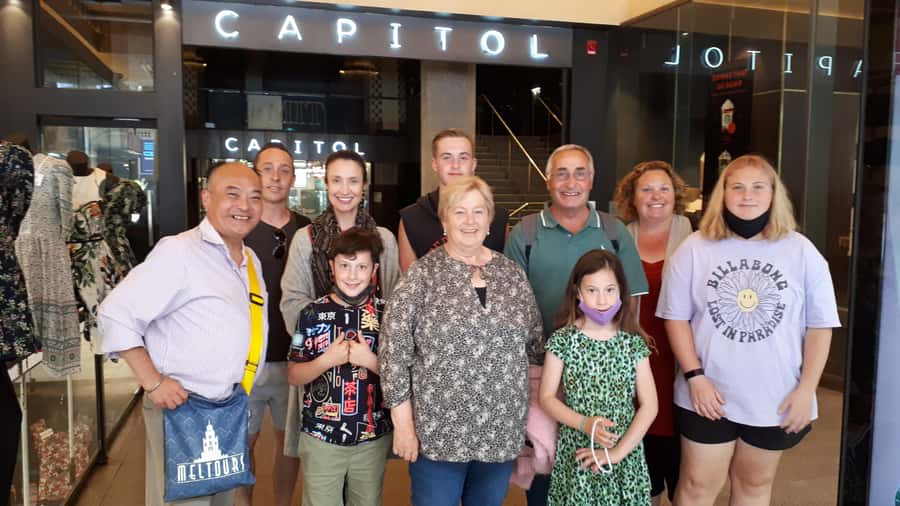
You will be seeing plenty of buildings close up, not from a distant viewpoint. That is the difference between a laneway tour and a quick photo loop. The guide points out architectural details that make sense of why these lanes developed the way they did, and how older structures share space with newer developments.
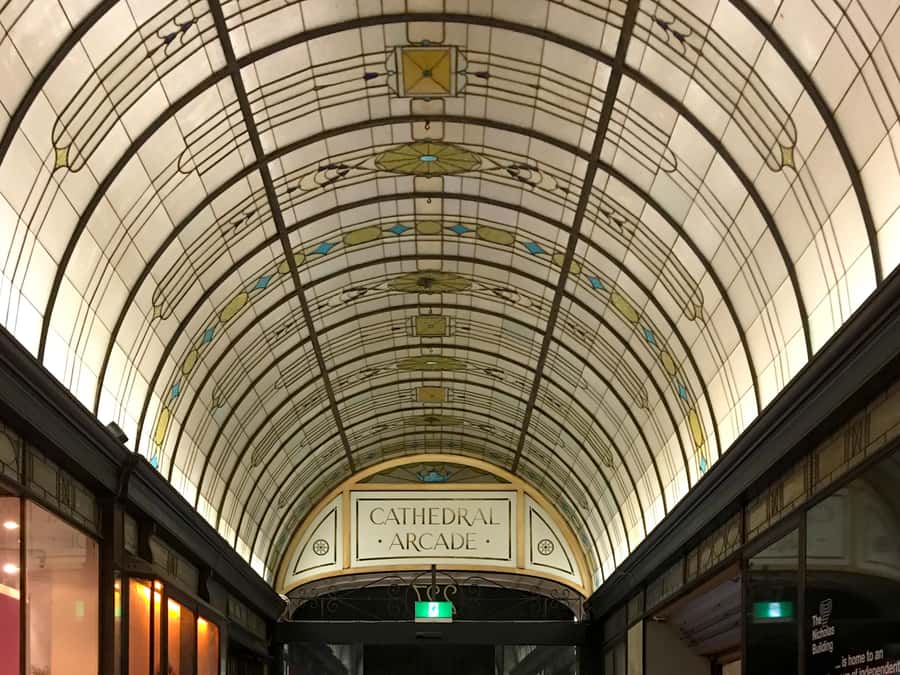
A lot of the architecture talk is tied to how Melbourne grew. You are not just learning facts for a quiz. You’re connecting growth patterns with what is physically in front of you: narrow passages, arcade-style corridors, and street-edge buildings that show how the city used land efficiently as it expanded.
Even if you have lived in Melbourne before, this part can still surprise you. Some people on similar tours have said they learned history about laneway development despite knowing the city well, which makes sense. Most people only see the laneways as shortcuts or background. A good guide teaches you to see them as a map of how Melbourne changed.
A few more Melbourne bookings worth a look before you decide



History told through gold rush origins and city beginnings
The story thread runs from the gold rush era through the birth of Australia, with the laneway system used as the timeline. This is one of the most valuable ways to learn, because you are watching the city while the guide explains why it looks the way it does.
That approach works because laneways are not just design quirks. They reflect movement, commerce, and how different eras handled space. When your guide connects gold rush growth to what you see now, you stop thinking of “old buildings” as scenery and start thinking of them as evidence.
It also helps that the tour mixes history with the street art, galleries, and shops. Instead of separating past and present, you get a loop where each laneway stop reinforces the bigger story.
Practical tips so you enjoy the walking part
This is a walking tour, so plan around your feet. Wear suitable footwear, because you will be moving through tighter lanes and irregular surfaces where you need grip and stability.
Crossings are handled carefully. Controlled pedestrian crossings are used at all times, except when crossing small laneways where you have to look out for your own safety. That means you should stay alert at every turn, even if the route feels familiar.
If you have health concerns, tell the guide ahead of time. Guides are qualified in first aid at Level 2, but they need to know what you might need from them to keep things comfortable and safe.
One more practical point: because the pace aims to keep a group together, it helps to be ready when the guide starts moving. If you are the type who takes 10 minutes per photo spot, you may fall behind the group, so try to pick your photo moments and keep the rhythm.
Price and value: what $91 buys you in 3 hours
At $91 per person for about 3 hours, you are paying for three things that often cost extra when you book them separately: a local guide, the time and attention of a guided walking route, and a coffee stop.
Is that fair? It is, if you want context with your photos. If you just want to wander, Melbourne laneways are free to explore. But the value here is that you get structure, explanations, and targeted stops. You also get small-group pacing, which reduces the “lost in a crowd” frustration common on bigger tours.
Also, this tour is built around a mix of what people usually want on a Melbourne day: street art, architecture, and history, plus a real local break. That blend is exactly why you see people rate it so highly and recommend it as an early booking, so you can navigate the city better after you learn how the laneways connect.
Who this tour fits best
This tour is a strong match if you:
- Want an easy way to understand central Melbourne fast, especially the lane network
- Like street art with names and meaning, not just images
- Enjoy architecture and city history when it is tied to what you can see in front of you
- Want a small-group walk with a coffee included
It may be less ideal if you:
- Struggle with walking for 3 hours, including uneven lane crossings
- Need a route that you can control hour-by-hour, rather than following a group pace
Good news for flexibility: the tour notes that those with disabilities or families with children younger than 13 years can be catered for on a private tour. Also, the standard tour is listed as wheelchair accessible, which is helpful for many visitors who use mobility aids.
Should you book this Melbourne laneways tour?
I think you should book if you want a fast, friendly way to get real insight into Melbourne’s inner city. The combination of street art, architecture, and gold-rush-era origins is exactly the kind of context that turns “pretty lanes” into a city you understand. The included coffee stop and the small-group size make it feel less like a lecture and more like a guided walk with a passionate local.
Skip it or consider a private option if walking is a challenge for you, or if you know you will feel rushed in a group setting. Otherwise, this is the sort of tour that pays off in the hours after you finish, because you come away with better instincts for where to go next and what you are actually looking at when you turn into a laneway.
FAQ
How long is the Melbourne laneways tour?
The tour duration is 3 hours.
What is included in the price?
Coffee is included, and you get a tour guide.
Where do I meet the tour guide?
Meet at St Paul’s Cathedral, Melbourne, at the corner of Flinders St and Swanston St. The guide meets on the front walkway of the church between the main Flinders St entrance and the side door on Swanston St, carrying a blue bag with a yellow sash.
How big is the group?
This is a small group limited to 10 participants.
Is the tour wheelchair accessible?
Yes, the tour is listed as wheelchair accessible.
Is there any option for families with children under 13 or visitors with disabilities?
The tour states that those with disabilities or families with children younger than 13 years of age can be catered for on a private tour.
What should I wear and how are crossings handled?
Wear suitable footwear for walking. Controlled pedestrian crossings are used at all times except when crossing small laneways, where you need to look out for your own safety. Guides also have first aid training at Level 2, and you should make known if you have any outstanding health issues.
More Tour Reviews in Melbourne




More Melbourne Tours in Melbourne


Keep Walking the Lanes

Recently added to the Melbourne list
- [PRIVATE TOUR] Mornington Peninsula Hot Springs | Winery & Sightseeing Tour★ 5.0 · 3 reviews
- Melbourne Tours Walk the Yarra & Historic Boathouse Lunch★ 5.0 · 3 reviews
- 3.5 Hours Group tour Melbourne trouble-makers tour★ 4.5 · 3 reviews
- Jewish Scene in multi cultural Melbourne★ 5.0 · 3 reviews
- Yarra Sunrise Running Tour★ 5.0 · 3 reviews
Melbourne Laneways & Street Art Tours, side by side.
 ★ 5.0Ultimate Melbourne Walking Tour: History, Laneways & CultureFrom $921,451 reviews
 ★ 5.0Melbourne’s Living Laneway Scene: Local Bars and Their StoriesFrom $63542 reviews
 ★ 5.0Original Melbourne Lanes and Arcades Walking TourFrom $99389 reviews
 ★ 5.0Melbourne Street Art TourFrom $60378 reviews
★ 4.8Ultimate Melbourne Walking Tour: History, Laneways & CultureFrom $91338 reviews
★ 5.0Melbourne Street Art TourFrom $60378 reviews
★ 4.8Ultimate Melbourne Walking Tour: History, Laneways & CultureFrom $91338 reviews
 ★ 5.0Melbourne Lanes & Arcades Chocolate and Dessert Walking TourFrom $92311 reviews
 ★ 5.0Melbourne Food Tour with 8+ Food Tastings in Hidden LanewaysFrom $116304 reviews
 ★ 4.8Laneway Bar Tour Where Locals DrinkFrom $59289 reviews
Browse the lists this tour appears in