
Review · WALKING TOURS
Melbourne Walking Tours
Melbourne’s laneways beg for walking. This 3 to 4-hour, small-group tour strings together major landmarks and the kind of street details you usually miss, all on foot and with smart public-transport help. You start at Parliament House, then work your way through Fitzroy Gardens, famous art lanes, arcades, Chinatown, and the State Library, so you get a real sense of how Melbourne fits together.
I especially like how the pace stays comfortable and practical, with short, focused stops instead of a rushed checklist. I also love the mix of big stops and playful ones, like ACDC Lane and Hosier Lane, where you can see how the city uses street art as a local language.
One thing to consider: with only a few hours, each location gets a quick highlight, so if you want deep museum time, plan to add extra time on your own later.
Key highlights at a glance
- Free-access landmark mix: major sites and public spaces are the stars, so you are not burning money just to get inside.
- Laneway art culture: ACDC Lane and Hosier Lane are quick stops, but they give you a strong taste of Melbourne’s creative side.
- Arcades worth slowing down for: Block Arcade and Royal Arcade bring you into Melbourne’s older shopping-and-strolling mood.
- A real neighborhood contrast: Chinatown adds a different story from the gold-rush era right in central Melbourne.
- Easy start, easy finish: the tour ends back at the same meeting point, so you can keep exploring without mental load.
A 3 to 4-hour Melbourne walk that actually helps you plan the rest
If you only have one half-day in Melbourne, you want a route that does two things: helps you get your bearings fast and shows you what makes the city different from, say, Sydney or Adelaide. This tour works because it concentrates on central Melbourne streets and institutions, and it uses walking to connect dots you would not notice on a bus.
You also get a guide who keeps the day moving at a human speed. The route is built around short stops, then quick transitions. That means you can look up, read signage, take photos, and still feel like you covered ground instead of just standing in one place.
The vibe is approachable too. With a maximum group size of 10, you can ask questions and get real context, not just a one-size-fits-all script. If you like structure but also want a bit of flexibility, this format hits a sweet spot.
A few more Melbourne bookings worth a look before you decide
- Great Ocean Road Small-Group Eco Tour from Melbourne
★ 5.0 · 6,607 reviews - From Melbourne: Great Ocean Road, 12 Apostles, Wildlife Tour
★ 4.7 · 6,020 reviews - Penguin Parade, & Wildlife Encounters Eco Tour from Melbourne
★ 5.0 · 3,774 reviews - Melbourne: Yarra Valley Wine, Gin, Whisky and Chocolate Tour
★ 5.0 · 3,667 reviews
Parliament House of Victoria, plus the gold-era vault story
You begin at the Parliament of Victoria on Spring Street in East Melbourne. This is a strong starting point because it anchors the whole day in the city’s big, official history. Parliament House is tied to the Victorian Government and connects nicely to the gold-rush era story you keep hearing throughout Melbourne.
Right after the Parliament stop, you move into the treasury and vault angle, where gold was once stored. Today, that space comes with a museum component, which gives you something tangible to hang the history on. Even if you are not a museum person, this kind of stop helps you understand why Melbourne developed the way it did.
Practical tip: this is one of those areas where you will benefit from looking around before you walk off. Take a few minutes to notice the building scale, then mentally link it to the later streets and arcades you will see. It makes the city feel less random.
Fitzroy Gardens and Cooks Cottage, a quiet reset in the middle of the route
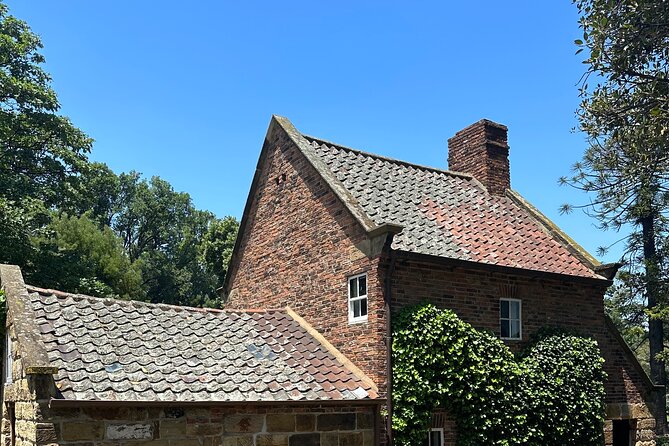
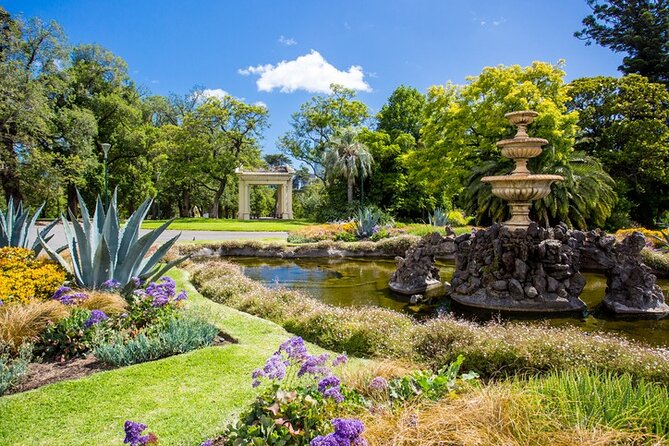
Next up is Fitzroy Gardens, one of those places that gives Melbourne a breather. The tour gives you time to wander through the gardens, and it also connects the park to Cooks Cottage.
This stop matters because Melbourne can feel like it has two modes: the formal center with institutions and the creative streets of laneways. Fitzroy Gardens sits right between those worlds. You go from gold-era governance and vault stories into greenery and heritage, so the day feels balanced.
Even with limited time, you can still do the key thing here: slow your pace for a bit, then look back at how the buildings and streets frame the park. It is a simple change that makes your later photos of the city look better too, because you are not in a rush.
ACDC Lane and Hosier Lane, street art you can actually see up close
Now the tour turns playful, and honestly, this is one of the main reasons people book it.
First is ACDC Lane, named for Australia’s famous rock band. You do not need a music encyclopedia to enjoy it. The point is that this lane feels like a city inside the city, and it carries a very Melbourne form of humor and identity.
Then you hit Hosier Lane, Melbourne’s most famous laneway. This is where street art becomes your guide. It changes over time, but it stays true to the same idea: local creativity in public space. You get a brief window to look at the style, the layers, and the way new art sits next to old art.
How to get more out of this section: instead of aiming your camera at one mural and calling it a day, pick a small area and study it for a minute. Then walk five steps and compare. That tiny shift helps you notice the variety, and it makes the stop feel richer even if you are only there for minutes.
Central square, a practical pause before the classic icons
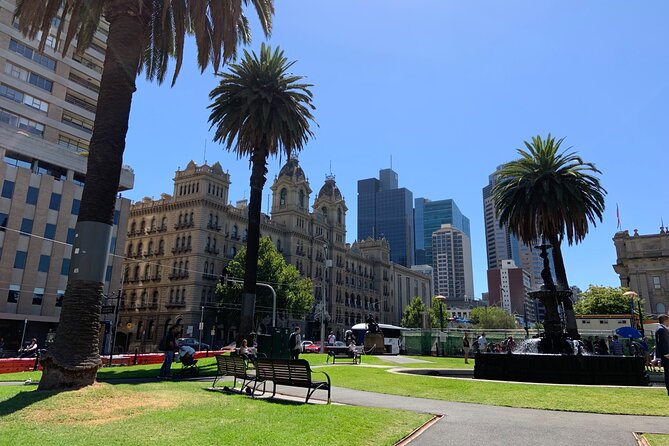
The route includes a stop at Melbourne’s central square. I like this kind of mid-walk pause because it gives you a sense of where you are in the map. When you are doing a walking tour, the biggest risk is losing orientation. Central squares help you re-anchor.
Think of it as your reset button. Use the moment to check your phone map, grab water if you need it, and scan the streets you will walk next. It also helps with energy management. The tour keeps moving, but you are not just trudging without a break.
Flinders Street, the arcades, and the inside of old Melbourne shopping culture
From the central area, you head to Flinders Street, where you get Melbourne’s most iconic building and its main train station. This is one of those spots where even if you have never been to Melbourne before, you feel like you recognize it. It is a landmark for a reason.
After that, you move into the arcades, which is where this tour starts to feel especially Melbourne. You visit both the Block Arcade and the Royal Arcade.
- Block Arcade gives you a beautiful arcade form connected to the late era of Queen Victoria.
- Royal Arcade is known for being the longest-standing arcade in Australia, and it has details like Gog and Magog, which adds a fun story element to the browsing.
These arcades are not just for shopping. They are for atmosphere. If you like walking through places that feel designed, not just functional, you will enjoy this part. The ceilings, the layout, and the window rhythm all change how you move. You slow down without forcing it.
Then the tour continues along the central shopping street, including the GPO building. This matters for the story arc of the day because you see how Melbourne mixes transport, commerce, and architecture in tight central blocks. You stop looking at streets as lines and start seeing them as rooms.
Other Melbourne walks that fill two hours well
Chinatown, then the State Library Victoria reading rooms
The route moves into Chinatown, and this is more than just a place to grab a snack. The area was established for Chinese gold diggers, and it is one of the longest running Chinatowns in the world. Even in a short stop, you can feel the connection to migration and work, and you get context for why these streets look and feel the way they do.
I like how Chinatown rounds out the day. After the laneways and arcades, you get a different kind of identity: community, trade, and history expressed through streets, signs, and everyday life.
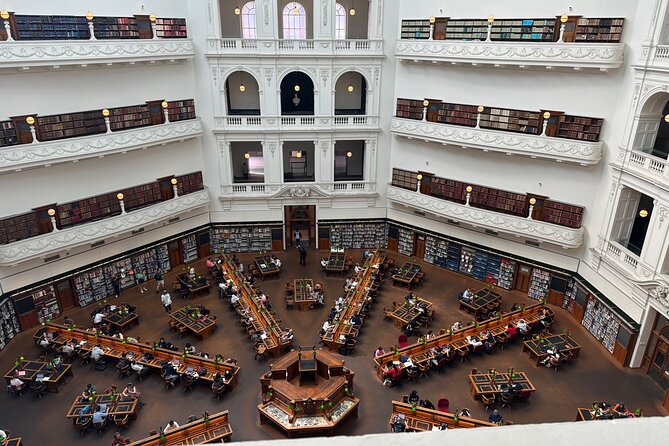
After Chinatown, you reach State Library Victoria. The library opened in 1856, and the tour includes time to see exhibitions and the Latrobe reading rooms. Even if you only skim, you get an instant sense of why this building is a Melbourne cornerstone.
What to do with your time here: pick one element that you care about and stick with it. If you like architecture, focus on the rooms. If you like information, look at what is on display. Short visits can feel thin, but State Library has enough visual and cultural variety that you can leave feeling like you learned something, not just walked through.
Coffee and free tram zone value, without turning it into a food tour
This tour includes coffee and/or tea from one of Melbourne’s independent cafes. That is not a random add-on. It gives you a reason to stop for a moment during the day, and it helps break up the walking.
The other value driver is that the tour uses public transportation with the Melbourne Free Tram Zone. If you plan to use trams while in the center anyway, this is practical. You are not stuck paying for transit repeatedly just to link neighborhoods. You get guided help so your day feels efficient.
Now, about the price: it is $86.07 per person for a 3 to 4-hour experience. That can sound high until you look at what you actually get. You are paying for a guide plus structure for a route where many major stops are free to access. Add in the included coffee or tea, and you are not just buying sightseeing. You are buying time saved on planning, plus context that makes the city make more sense.
Also, the small group size of up to 10 people usually translates into a smoother experience. You are less likely to be herded and more likely to ask a question and get an answer that fits what you care about.
Who this tour suits best
This is a smart choice if:
- you want a first time Melbourne route that covers the center without getting overwhelming
- you like street-level details, especially laneway art
- you want a blend of big icons and human-scale spaces like arcades and gardens
- you prefer a guided day that still leaves room to look around
It may be less ideal if you love long museum sessions and hate short stops. The format is designed for highlights, not deep study. If you are the type who wants to spend an hour inside every building, consider using this tour as your framework, then return on your own with more time.
Final verdict: should you book this Melbourne walking tour?
I think you should book it if you want a high-value half-day that helps you understand Melbourne quickly. The route hits the city’s best-known icons and its most recognizable laneways, then adds quieter context at places like Fitzroy Gardens, Chinatown, and State Library Victoria. Add the included coffee and free tram zone approach, and it feels like a thoughtful use of time, not a generic walking loop.
I would not book it as your only Melbourne activity if you already know you want to spend hours in museums or galleries. But as an efficient, well-paced way to get grounded, it is a strong pick.
If you are arriving in Melbourne with a short schedule and you want to feel oriented by the end of the day, this tour is the kind of plan that makes the rest of your trip easier.
FAQ
How long is the Melbourne Walking Tours experience?
It runs for about 3 to 4 hours.
What does the tour cost?
The price is $86.07 per person.
What time does it start, and where do I meet?
It starts at 10:00 am. The meeting point is Parliament of Victoria, Spring St, East Melbourne VIC 3002, Australia.
How big is the group?
The tour has a maximum of 10 travelers.
Is coffee included?
Yes. Coffee and/or tea is included from an independent cafe.
What kind of transportation is used?
The tour uses public transportation, and it includes use of the Melbourne Free Tram Zone.
What is the cancellation policy?
You can cancel for a full refund up to 24 hours before the experience’s start time. If you cancel less than 24 hours before, the amount paid is not refunded.
More Tours in Melbourne



More Tour Reviews in Melbourne
More Melbourne Tours in Melbourne
Recently added to the Melbourne list
- [PRIVATE TOUR] Mornington Peninsula Hot Springs | Winery & Sightseeing Tour★ 5.0 · 3 reviews
- Melbourne Tours Walk the Yarra & Historic Boathouse Lunch★ 5.0 · 3 reviews
- 3.5 Hours Group tour Melbourne trouble-makers tour★ 4.5 · 3 reviews
- Jewish Scene in multi cultural Melbourne★ 5.0 · 3 reviews
- Yarra Sunrise Running Tour★ 5.0 · 3 reviews
Walking Tours, side by side.
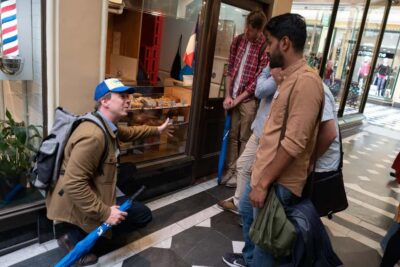 ★ 5.0Ultimate Melbourne Walking Tour: History, Laneways & CultureFrom $921,451 reviews
 ★ 4.5Great Ocean Road Tour Plus Koalas, Forest Walk and Morning Tea1,068 reviews
 ★ 4.5Great Ocean Road 12 Apostles & Rainforest Walk with Morning TeaFrom $93549 reviews
 ★ 5.0Melbourne Foodie Discovery Walking TourFrom $92530 reviews
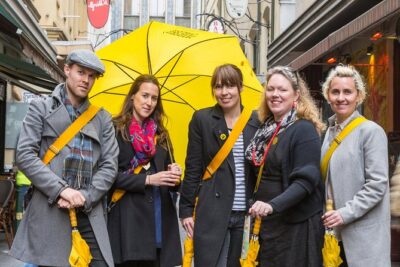 ★ 5.0Original Melbourne Lanes and Arcades Walking TourFrom $99389 reviews
★ 4.8Ultimate Melbourne Walking Tour: History, Laneways & CultureFrom $91338 reviews
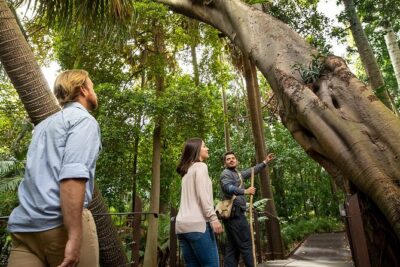 ★ 5.0Aboriginal Heritage Walk – Royal Botanic Gardens Victoria, Melbourne GardensFrom $30314 reviews
 ★ 4.93-Hour Foodie Discovery Walking TourFrom $91313 reviews
Browse the lists this tour appears in