
Review · MELBOURNE ZOOS & WILDLIFE PARKS
Melbourne Zoo: 1-Day Entry Ticket
Melbourne Zoo is a surprisingly easy day off. In one visit you get global animals in rainforest-style habitats and close-up Australian wildlife, all in a zoo that runs right from 9:00 AM to 5:00 PM. I especially like the way the grounds feel designed for wandering, and the included animal keeper presentations add context beyond simple sightseeing. One possible drawback is that on hot days (or at certain times), some animals may be harder to spot, and it can get busy.
Getting there from central Melbourne is simple, with public transport options that drop you near the entrance. And if you plan your day with the exhibits in mind, you can move from big cats and monkeys to a butterfly house, then finish with an underwater stop for penguins and fur seals. The zoo is open 365 days a year, so this works even when weather and schedules get messy.
If you want a one-stop wildlife outing that feels both family-friendly and serious about animal care, this ticket does the job. Just keep your expectations practical, because this is still a real zoo with real animal behavior, not a guarantee that every species is out and active.
Key things to know before you go
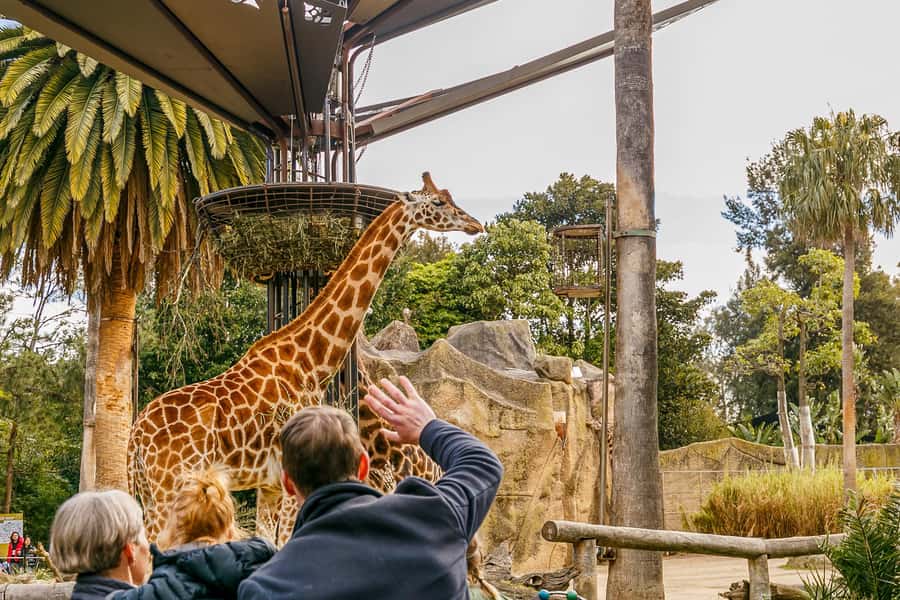
- 320+ animal species in one day: You are not limited to a few “star exhibits.”
- Rainforest, bush, and underwater zones: The layout helps you avoid repeat walking.
- Lion Gorge and keeper talks included: You get context at set times, not just viewing.
- Australian wildlife highlights are real priorities: Koalas, kangaroos, wombats, and emus are built into the day.
- Penguin and fur seal time: The underwater world is a strong finish for many people.
- Food can be pricey: Bring a budget plan, or be ready to eat a little less or earlier.
Why Melbourne Zoo is a smart use of 1-day in Melbourne
If you only have one day to spend in Melbourne and you want something that feels distinctly local while still covering the wider world, Melbourne Zoo is a strong match. It sits about 10 minutes from the city centre, which matters because you lose less time commuting and more time actually watching animals.
What makes the day feel worth it is the mix of habitats. You are walking from lush Asian and African rainforest exhibits into an Australian bush setting, and then into an underwater world for little penguins and fur seals. That flow gives you variety without the “hop across town” problem.
It also helps that the zoo stays open all year, from 9:00 AM to 5:00 PM, every day. Even if you do not go at opening time, you can still structure a full outing by focusing on the main zones.
Getting there from the city: Tram 58, Upfield trains, and bus 505
The easiest part of planning this ticket is transportation. Melbourne Zoo is well connected, and the stops are close enough that you will not feel trapped with a long walk after you get off.
Here are your main options:
- Tram 58 (West Coburg to Toorak) runs daily and stops directly outside the zoo. It also runs from William Street in the city.
- Upfield line trains run from Flinders Street Station daily, and the route stops at Royal Park Station, which is the zoo’s own station.
- Bus 505 runs from Moonee Ponds to Melbourne University and stops outside the zoo.
For me, the practical takeaway is this: plan around public transport and let the zoo be the anchor. Once you are there, the grounds are large enough that your energy matters more than your schedule.
General admission: what you actually get all day
This is a 1-day entry ticket to Melbourne Zoo, and it gives you general admission plus animal keeper presentations at set times. There are no meal or drink inclusions, and there are no included behind-the-scenes upgrades in this base price, so you will plan food separately.
The headline number is over 320 animal species from around the world. That does not mean every animal will be active at the exact moment you arrive, but it does mean the zoo has enough variety that you can still have a great day even if one exhibit is quiet.
Also note that the zoo is designed for a leisurely walk. In real life, that usually means you should build in time to slow down at the exhibits that catch your attention, especially if you see your favorite species at an active moment.
Asia and Africa Rainforests: tigers, monkeys, and the long walk that pays off
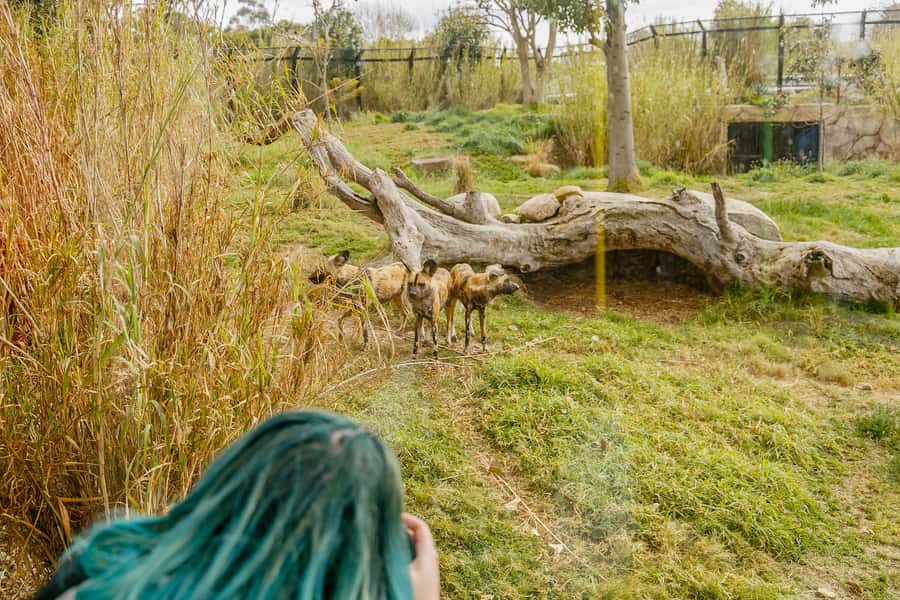
The rainforest section is where the zoo starts to feel like more than a set of pens. You move through lush Asian and African rainforest-style exhibits, and the design encourages you to look up, not only straight ahead.
This is also where the big attractions sit:
- Tigers in the tiger roaming area
- Monkeys that swing and move through the trees
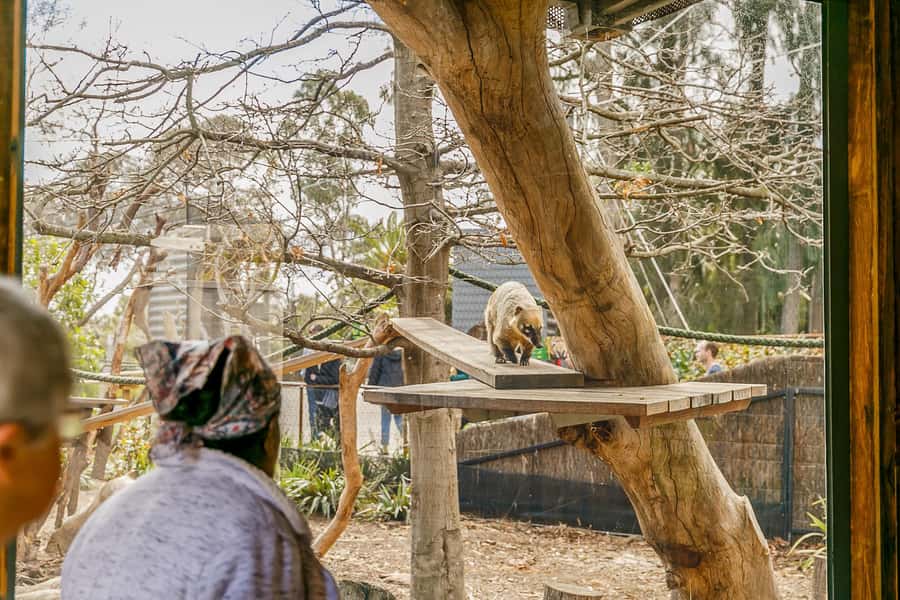
A practical way to use this zone is to take your time the first time through. If you only glance quickly, you will miss the small movement cues that help you spot animals when they are not standing at the perfect viewing point. The zoo layout encourages that slower rhythm.
And if the day is hot, keep an eye on indoor options later. Heat can affect animal activity, and you do not want your whole day to depend on animals being fully visible outdoors.
Lion Gorge: your best “wow” moment, plus keeper talks
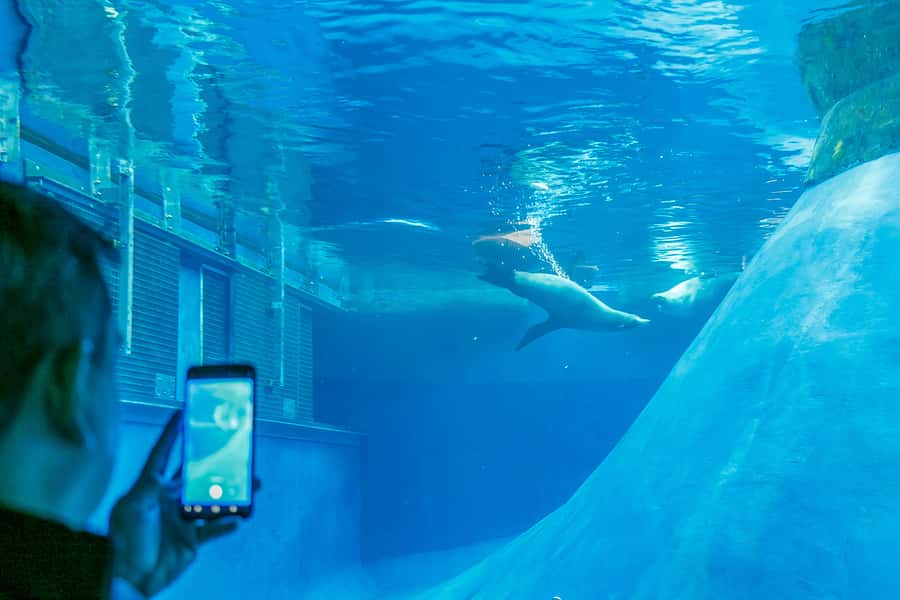
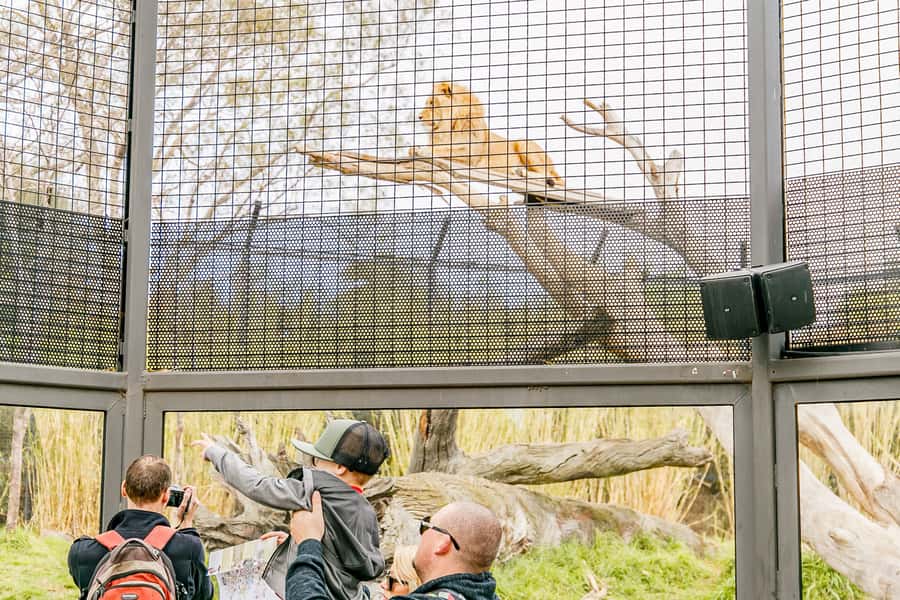
Lion Gorge is the stop that many people remember as the closest thing to a show in a conservation setting. You get an exhibit experience aimed at letting you see the lion pride up close.
One reason this part lands well is that it is not just about the viewing. With your general admission, you also get access to animal keeper presentations at set times. Those talks are the kind of add-on that makes the animals feel more real, because you learn what they are doing and why it matters.
A tip I like for this zone: plan to be nearby a little early. Even with set talk times, queues, crowd flow, and simple human curiosity can shift how quickly you reach the viewing area. Arriving a bit ahead keeps the day relaxing.
Butterfly House: a great reset when crowds or heat show up
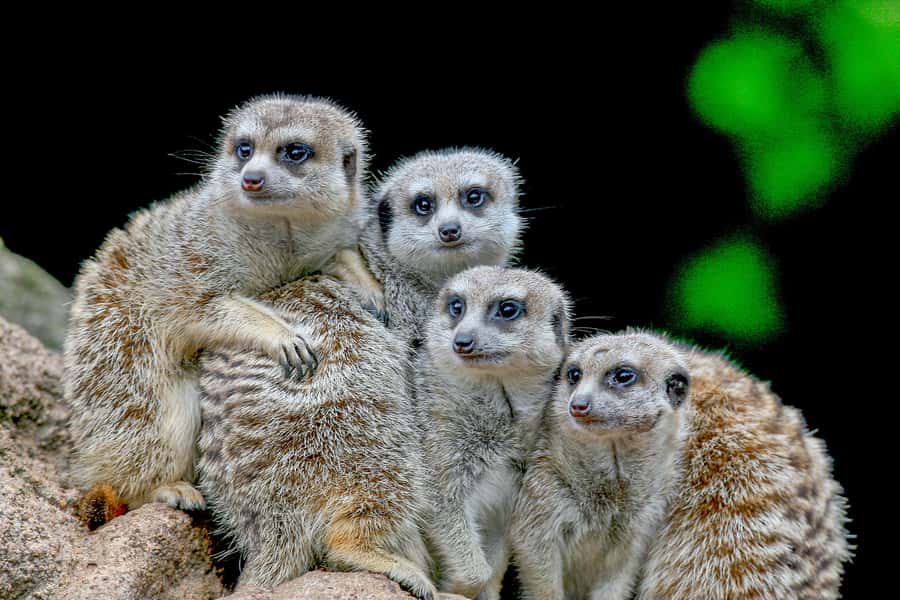
The Butterfly House is a smart mid-day target. After rainforest exhibits, it gives your eyes something different, and it also helps break up the long walking loop.
It is part of the zoo’s route in the way that you naturally transition from one major theme to another. If you are visiting with kids, this can also be a breather zone, because indoor exhibits tend to feel more comfortable than extended outdoor viewing on bright days.
If you like quiet moments, aim for a time when foot traffic is not at its peak. The zoo can get busy, especially on weekends, and indoor exhibits can become more crowded as people cluster around the same areas.
Australian bush setting: koalas, kangaroos, wombats, and emus
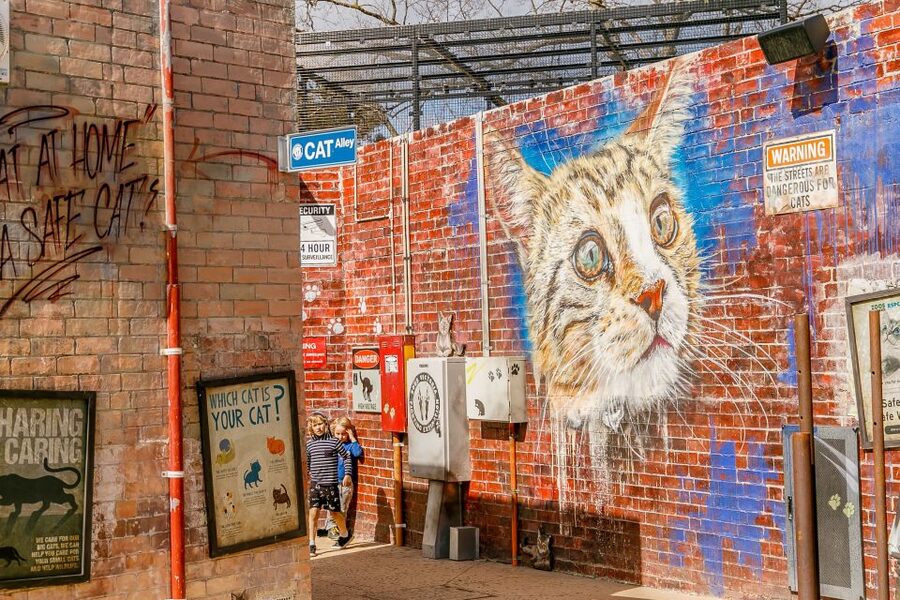
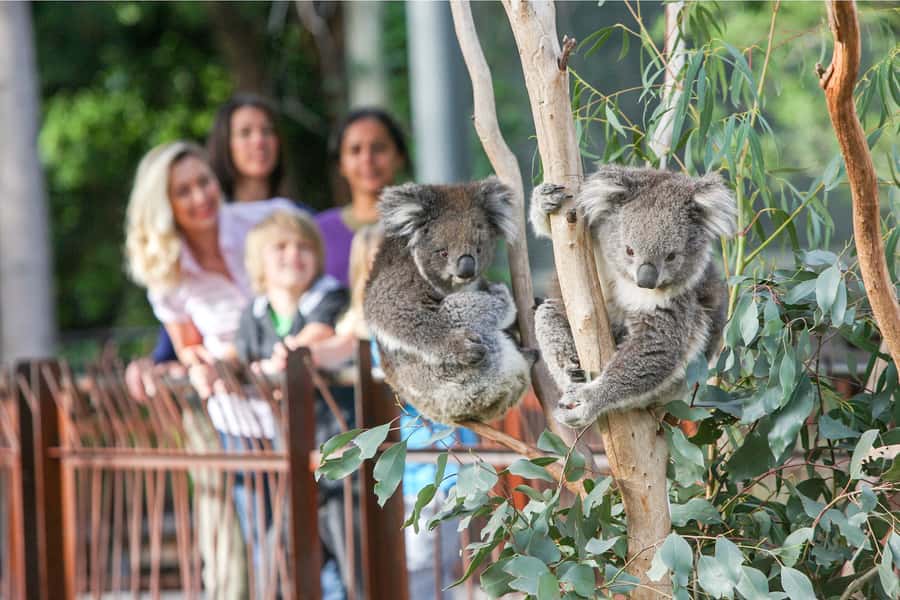
This is the section that makes the ticket feel properly Australian. You walk through an Australian bush setting designed to spotlight native species, including:
- Koalas
- Kangaroos
- Wombats
- Emus
Even if you already know the basics, seeing these animals in a dedicated exhibit zone is where the day becomes more than “a zoo with world animals.” It feels like a local experience, not just an international checklist.
Practical advice: if you have a must-see animal, do not leave it for the end. Some people spend the whole day chasing the biggest exhibits and then realize their favorite Australian species was earlier in the loop.
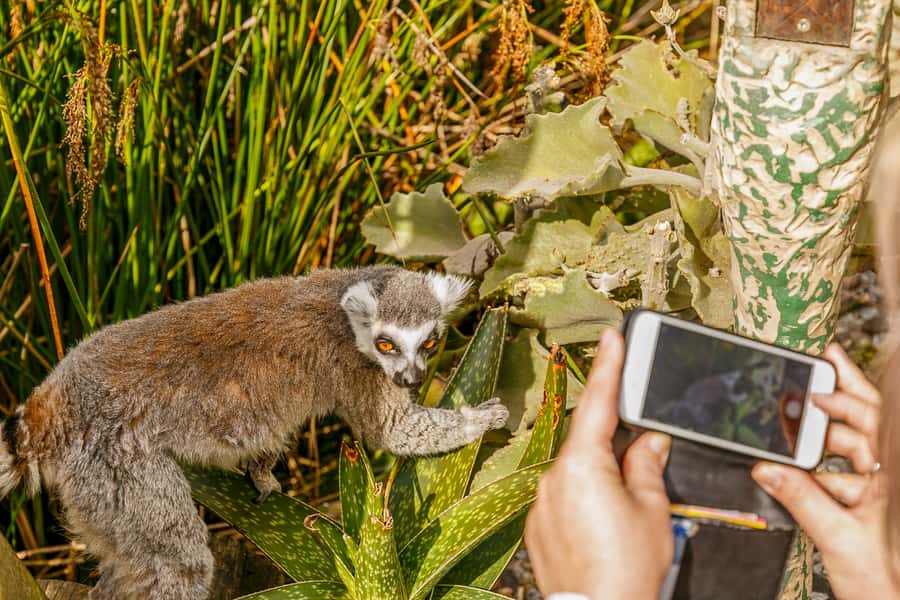
Also, this is where you will often notice that some animals can be harder to spot depending on the moment and conditions. That is normal. A patient approach usually beats a rushed one.
Underwater world: little penguins and Australian fur seals
Finishing with the underwater exhibit is a great move. The zoo’s underwater world focuses on Victoria’s iconic little penguins plus Australian fur seals.
This stop tends to work well for multiple reasons:
- You get a different style of viewing compared with land animals.
- The exhibit can feel like a change of pace after walking.
- Many people enjoy the sensation of watching animals move in their own environment, not only from one static angle.
If your feet are tiring by mid-afternoon, this zone is a good candidate for slowing down rather than sprinting to the next pen.
Food, comfort, and heat: how to plan without ruining the day
Food is the part of zoo visits that can quietly drain your budget and energy. The good news is there are places to eat and sit. The tricky news is that food can be expensive, and some visitors have noted limited options for special diets like gluten-free.
I like treating zoo food as a partial plan:
- If you want full flexibility, bring snacks and water and then buy only one main thing.
- If you rely on buying everything inside, build a little extra money into the day.
Comfort-wise, you will find help for long walking days. Reviews mention seating scattered around the grounds and cooling fans in hot weather. Still, you should plan for a lot of walking, because Melbourne Zoo is big.
Also, if you go later in the afternoon, you may not see everything at its best. Animal activity changes throughout the day, so building a full day into your schedule is the safest choice if you care about seeing more species in motion.
Price and value: does $37 make sense?
At about $37 per person for a 1-day entry ticket, the value comes from what is included and how much you can do in one location.
Here is the practical value equation:
- Included: general admission and animal keeper presentations at set times
- Not included: meals and drinks
- Upgrades: behind-the-scenes and close-up options exist, but they are extra
So if you are the type who wants to walk, watch, and learn without paying for every add-on, this base ticket is a reasonable spend. If you think you will want guaranteed behind-the-scenes access, you should look at upgrade options upfront and decide what level of access you truly want, because the standard ticket does not include those experiences.
One more value angle: crowds. If you are visiting on a busy day, you might spend more time waiting for viewing spots. That does not change the core value of the ticket, but it can affect how satisfying the day feels.
Families and kids: free entry rules that can save real money
This ticket is especially useful for families because Melbourne Zoo has clear free entry rules.
- Children under 16 enter free on weekends, Victoria school holidays, and Victoria public holidays
- Children 3 years and under receive free entry every day
That can turn an otherwise pricey day into something much more manageable. If you are traveling with kids, you can plan around the free-entry windows and keep your spending for food and souvenirs instead.
Also, the zoo is wheelchair accessible, which helps if your group includes mobility needs.
Who this ticket is best for
This one-day entry works best if you want:
- A full wildlife day without needing a guided tour format
- A mix of global animal exhibits plus native Australian favorites
- A place that is comfortable to explore at your own pace, with learning built in via keeper talks
I also think it fits well for solo travelers because you can still build a satisfying route without needing companions or special arrangements. If you prefer structure, aim for the big themed zones in order, and use the keeper presentations to anchor your timing.
If your group is very time-limited, you can do it in less than a full day, but the zoo is large enough that a rushed schedule can leave you feeling like you missed too much.
Should you book this Melbourne Zoo ticket?
Book this ticket if you want a high variety wildlife day that mixes world-class rainforest-style exhibits with Australian icons like koalas and kangaroos. The inclusion of keeper presentations adds real value, and the zoo’s layout gives you a natural route from rainforest to Australian bush to the penguins and fur seals.
Consider a different approach if you:
- Have a very strict focus on one or two animals and need them to be active at specific times
- Are sensitive to crowds, especially on busier days
- Want multiple upgrades right away, since behind-the-scenes options are not included in the base ticket
If you do book, my best advice is simple: plan on a full day, prioritize your must-see zones early, and give yourself time to slow down when an exhibit looks promising. You will get a better day out of it, and you will not feel like you are sprinting between pens.
FAQ
What is included with the 1-day entry ticket?
Your ticket includes general admission to Melbourne Zoo and animal keeper presentations at set times.
What is the opening time for the zoo?
Melbourne Zoo is open 9:00 AM to 5:00 PM, and it is open 365 days a year.
How long can I spend at the zoo with this ticket?
The ticket is valid for 1 day, so you can spend as much of that day as you want within zoo opening hours.
Does the ticket include meals or drinks?
No. Meals and drinks are not included with the general admission ticket.
Are behind-the-scenes experiences included?
No. Up-close and behind-the-scenes experiences are not included, though upgrade options may be available.
How many animal species can I see?
With general admission, you can become acquainted with over 320 animal species from around the world.
How do I get to the zoo using public transport?
You can use Tram 58 (stops directly outside Melbourne Zoo), trains on the Upfield line from Flinders Street Station (stops at Royal Park Station), or Bus 505 (stops outside the zoo).
Are children’s entry fees free?
Yes. Children under 16 enter free on weekends, Victoria school holidays, and Victoria public holidays. Children 3 years and under receive free entry every day.
Melbourne Zoos & Wildlife Parks, side by side.
 ★ 4.7Puffing Billy & Healesville Sanctuary Scenic TourFrom $1621,220 reviews
 ★ 4.5Werribee Open Range Zoo: Entry TicketFrom $37646 reviews
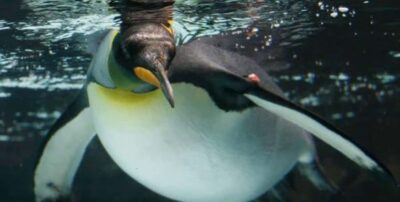 ★ 4.4SEA LIFE Aquarium Entrance TicketFrom $28589 reviews
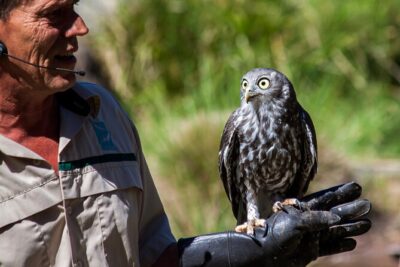 ★ 4.5Puffing Billy And Healesville Sanctuary Scenic TourFrom $163451 reviews
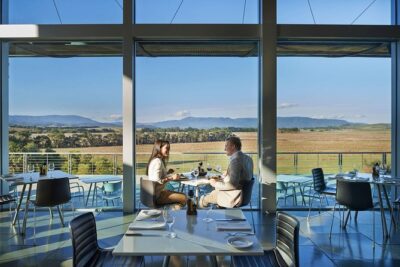 ★ 5.0Yarra Valley Wildlife & Wine Day Tour with Healesville SanctuaryFrom $236333 reviews
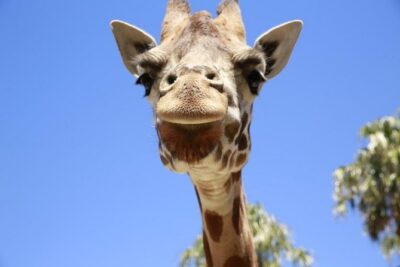 ★ 4.0Melbourne Zoo General Entry TicketFrom $40333 reviews
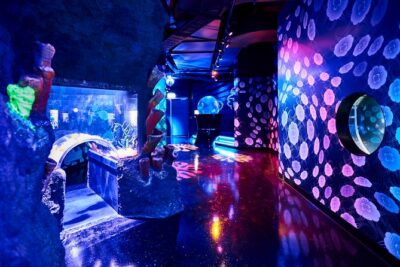 ★ 3.5SEA LIFE Melbourne Aquarium Admission TicketFrom $27280 reviews
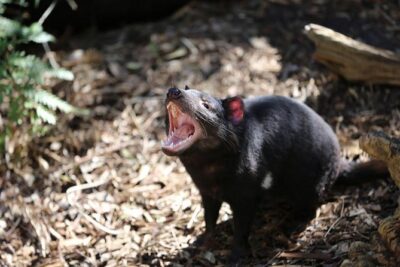 ★ 4.5Healesville Sanctuary General Entry TicketFrom $40217 reviews
Browse the lists this tour appears in