
Review · MUSEUMS
National Gallery of Victoria (NGV) guided tour
Art gets easier when someone points. On this National Gallery of Victoria guided tour in Melbourne, Sandy walks you through about 30 top Western paintings with clear looking tips and context, and I loved the laminated checklist and the patient, question-friendly pace. One possible drawback: there are no snacks, so plan your timing.
This tour is beginner-friendly and family-friendly, covering major Western art movements from Byzantine to Impressionism. You end with a fun quiz, which is a clever way to see what stuck and why it matters.
Key highlights if you want a smart NGV overview
- Sandy teaches you how to look, not just what you are looking at
- About 30 favorite Western paintings are explained with story and context
- A laminated checklist you can reuse at NGV and later in other museums
- Western art movements are mapped clearly, from Byzantine through Impressionism
- Group size stays small (max 6), so questions feel normal, not rushed
First look at NGV with Sandy, where the group stays small
If you have ever stood in a big museum and felt your eyes glaze over, this tour is built for you. It keeps the focus tight, because you are not trying to absorb everything at once. Instead, you get a guided path through key works, with explanations you can actually use while you are still looking.
Sandy is the guide, and the tone is calm and friendly. The format matters: a small group capped at 6 people means you are more likely to ask the question that is really on your mind. You are also not forced into a silent parade, which can make a museum visit feel less stressful.
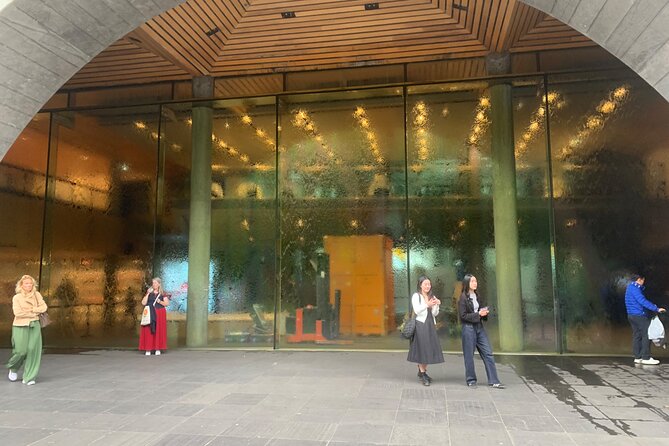
The session runs about 3 hours 30 minutes, starting at 10:00 am. You meet at 200 St Kilda Rd, Southbank (the tour ends back at that same meeting point), so it is easy to build into your day. Just note there is a minimum of 4 guests including your booking, so if you are traveling close to your dates, it can be worth booking promptly.
Other guided days around Melbourne
- Great Ocean Road Tour w/ Deluxe Minibus & Top-Rated Guide
★ 4.8 · 2,644 reviews - Melbourne: Melbourne Cricket Grounds (MCG) Guided Tour
★ 4.7 · 812 reviews - From Melbourne: Great Ocean Road Full-Day Guided Trip
★ 4.8 · 652 reviews - Melbourne: Ghosts, Murder, & Mystery Guided Walking Tour
★ 4.5 · 261 reviews
What you are really paying for: learning to appreciate paintings
The price tag of $107.59 per person can look steep at first. But you are not buying entry into the museum, you are buying a shortcut to understanding. In this tour, you get a guided way to interpret what you see, with practical tips that help you spend your time on the parts that actually change how you read a painting.
I like that the tour is designed for beginners. You do not need art-school background, and you are not expected to memorize dates or definitions. Instead, Sandy points out what to look for in how artists built scenes, used light and color, and shaped emotion. That is the kind of learning that sticks because it helps you notice things on the spot.
The laminated guide sheet is a big part of the value. You keep it, so the tour does not end when you walk out of the galleries. You can use the checklist again later, including for other museums you visit after NGV.
And then there is the quiz at the end. It is not just a gimmick. It gives your brain a reason to organize what you learned, so the key ideas land more firmly.
How the tour teaches you to look, using a simple repeatable checklist
A lot of art guidance fails because it tries to sound complicated. This tour goes the other direction. The whole point is to help you train your eye with repeatable questions, then apply them while you stand in front of real works.
You will get tips on how to view and analyze paintings, and the guide sheet you receive is reusable. Think of it like a field tool. You can glance at it, then go back to the art and use the prompts immediately. That is how you turn a confusing museum experience into something you can follow.
Here is what this approach gives you as a visitor:
- You stop guessing what you are supposed to notice.
- You learn how to connect a painting to its time and style without needing a textbook.
- You leave with a system you can repeat in other galleries.
That is also why the tour works well for locals as well as tourists. If you live nearby, it is still useful to have someone show you how to slow down and see more.
The NGV route: one main stop, about 30 paintings, and a clear Western timeline
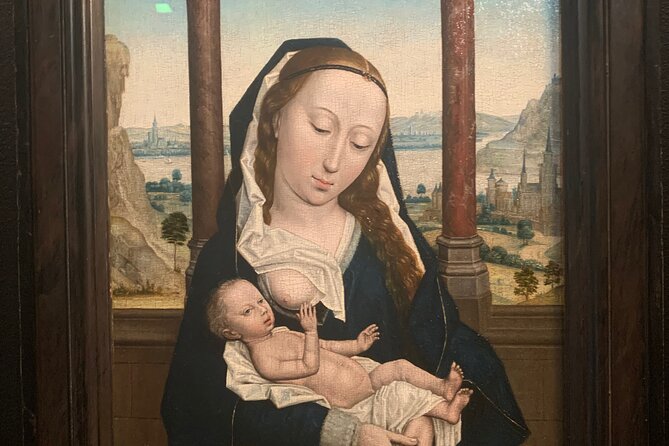
This experience focuses on the National Gallery of Victoria, and it is one guided visit rather than hopping around the city. That is actually a strength. You get to settle in, and you are not spending your limited tour time figuring out where to go next.
Sandy shows around 30 of his favorite Western paintings. The guide also frames them by the major Western art movements featured at NGV, including Byzantine, Renaissance, Mannerism, Baroque, Rococo, Romanticism, Realism, and Impressionism.
Even if you have heard these names before, you will likely see them differently by the end. That is because you are not just memorizing labels. You are learning what those styles tend to do, and what clues to look for in brushwork, composition, and emotion.
You also see works by artists such as Rembrandt, François Boucher, El Greco, Jan Brueghel, Tiepolo, Monet, Pissarro, Salvador Dalí, and Pablo Picasso. That mix matters. It lets you compare ways of representing the world, from earlier religious and classical themes to later shifts toward mood, symbolism, and modern style.
The Western art movements you will connect, without the art-degree required
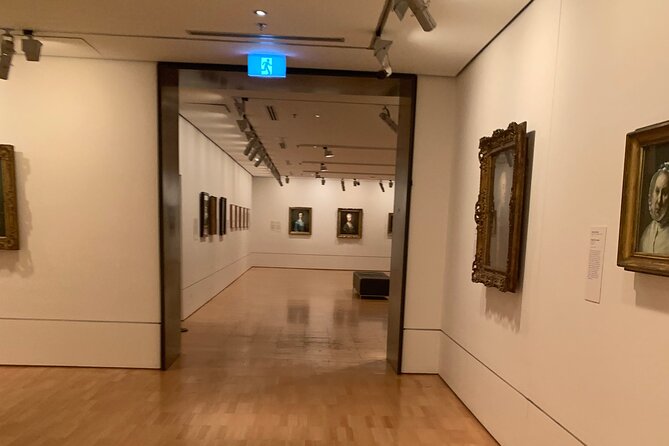
One reason beginners enjoy this tour is that it turns art history into a visual map. You are shown how styles evolve, so you start to notice patterns instead of treating each painting like a separate mystery.
Here is how the movement coverage helps you as a visitor:
- Byzantine and Renaissance moments help you understand changes in spiritual subject matter and how realism and proportion become more central.
- Mannerism is useful for spotting when artists start playing with normal expectations, like unusual proportions or theatrical poses.
- Baroque and Rococo help you see shifts in drama and decoration, from intense light and movement to more delicate elegance.
- Romanticism and Realism show how artists lean into emotion and everyday truth, often with different ideas of what is worth painting.
- Impressionism gives you a new lens for seeing light, color, and everyday scenes as something experienced, not just recorded.
- Later leaps through major artists like Dalí and Picasso bring you into the modern world, where symbolism and inventive form become part of the story.
You do not need to know the big theory ahead of time. Sandy’s job is to make the connections as you go, so the timeline becomes something you can feel in the art rather than recite in an exam.
Artists you will recognize, and why that recognition is useful
It is one thing to know a name, it is another to stand in front of the work and see why people still talk about it. This tour uses recognition as a tool. When you hear Rembrandt, Monet, or Picasso, you are given context for what to look for next time you see a similar work elsewhere.
Here is the practical side of artist recognition:
- If you see Rembrandt, you start paying attention to how artists build drama with light and expression.
- If you see El Greco, you learn how style choices can heighten mood and spiritual intensity.
- If you see François Boucher and Tiepolo, you get better at spotting decorative ambition and storytelling through gesture and setting.
- If you see Monet and Pissarro, you learn to respect brushwork and color as meaning, not just technique.
- If you see Dalí and Picasso, you get a feel for how modern artists can bend reality on purpose to express ideas.
Even if you do not love every style, this kind of guided comparison helps you understand what each artist was trying to do. And that makes your reactions more confident, because you can point to a reason.
Other collections worth an afternoon
Stop at NGV: what to expect in the galleries and how to get the most out of it
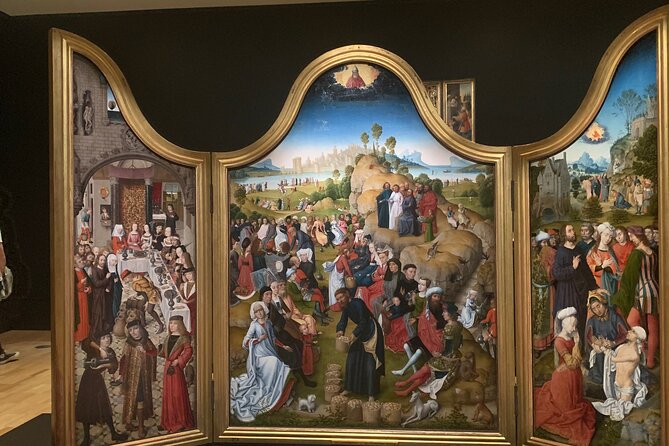
Because the tour is focused on selected works, you should go in with one mindset: slow down and answer the guide’s prompts. When someone points out how to look at a painting, that instruction changes how the rest of your visit feels.
With a small group, it also helps to stay close enough to hear details. The tour lasts 3 hours 30 minutes, so you will move through several rooms. It is not a long coffee break kind of schedule, so keep your energy up.
Here are the only practical watch-outs I would plan for:
- There are no snacks provided, so you may want to eat beforehand and keep your energy steady.
- Wear comfortable shoes. You are in a museum for a good chunk of time, and you will be standing and walking between works.
- If you tend to tune out in crowds, this tour is still better than a free-for-all, but you will get the most if you listen at each stop.
One nice thing about this style of tour is that it is not trying to impress you with big words. You leave knowing what to do with your eyes, which is the real souvenir.
The laminated checklist: your take-home tool for future museums
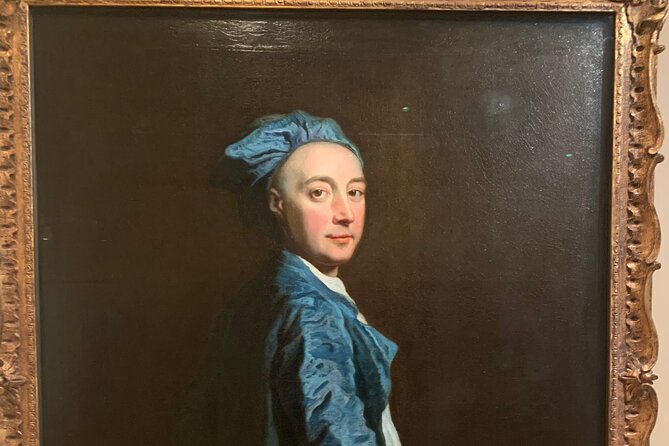
A guided tour is fun, but most people forget the details a day later. The laminated checklist is the fix. You get a reusable sheet on how to view and analyze paintings, and you keep it after the tour.
I love this because it turns the visit into an ongoing skill, not a one-off experience. The next time you walk into a gallery, you can bring the checklist out, glance at the prompts, then apply them to a painting that catches your eye.
That is also why this tour can be great value compared to options that only show you where to stand. Here, you are leaving with a process. Museums become easier and more personal because you can make meaning instead of waiting for someone to tell you every detail.
End-of-tour quiz: how to make sure it sticks
The fun quiz at the end is a smart touch. You are not just hearing facts while you walk. You are also asked to recall key ideas from what you saw and learned.
For me, that kind of short recap is what separates a tour you enjoyed from a tour you remember. It gives you a moment to organize concepts like art movement cues, what visual elements tend to signal, and how to interpret what you are seeing.
It also makes the experience feel complete. You get the learning, then a quick check that it actually landed.
Price and value for a $107.59 NGV art tour lesson
At $107.59 per person for about 3 hours 30 minutes, you are paying for:
- a guided route inside NGV
- explanations tied to around 30 works
- a reusable laminated checklist
- a group experience capped at 6
When you compare it to self-guided museum time, the value is clear if you are a beginner or you simply want structure. You are basically purchasing a high-quality shortcut to art appreciation, so you do not spend hours wandering and hoping something clicks.
The average booking window is about 22 days in advance. That suggests it is a popular format. If you have fixed travel dates, I would book early, because small groups can sell out.
Also, a mobile ticket is included, which keeps things simple on the day.
Who should book this NGV guided tour (and who might want something else)
This is best for:
- Beginners who want to understand art without feeling like they need a degree
- People who like paintings but want a way to look more effectively
- Families with children who enjoy a guided story approach
- Locals who want a structured reason to see the museum again
It might not be the best fit if:
- You already feel confident interpreting Western art and want a long, unscripted crawl through NGV on your own.
- You want multiple stops beyond NGV, since this experience keeps everything centered on the gallery visit.
Still, even if you are not totally new to art, you may find the checklist and the movement connections genuinely useful.
Practical tips for your 10:00 am NGV start
This tour starts at 10:00 am, and you meet at 200 St Kilda Rd, Southbank. It ends back at the meeting point, so you can plan the rest of your day with less guesswork.
A few practical things that will make your experience smoother:
- Eat before you go. No snacks are provided.
- Bring your camera only if you follow NGV rules once you arrive. The tour is about looking, so even if you take photos, keep your eyes on the art first.
- If you like to sit near the front for better listening, aim for that early, since the group is small.
- It is near public transportation, which helps if you want to pair it with other Southbank stops.
If you are sensitive to schedule changes, check your confirmation timing. You should receive confirmation within 48 hours of booking, depending on availability.
Should you book the National Gallery of Victoria guided tour?
I think you should book it if you want a fast, friendly way to understand Western art at NGV. The combination of Sandy’s explanations, the small group size, the laminated checklist you can keep, and the end quiz makes this feel like an actual learning experience, not just a tour where you walk past paintings.
Book it sooner rather than later if you are traveling around peak times, since it is booked about a month in advance on average and groups are capped. If you show up hungry, do not count on snacks. Eat first and you will enjoy the full 3 hours 30 minutes.
If you are the type who likes museums but gets overwhelmed in large spaces, this is one of the best ways to turn that museum energy into something you can understand.
FAQ
How long is the National Gallery of Victoria guided tour?
It is approximately 3 hours 30 minutes.
What time does the tour start?
The start time is 10:00 am.
Where do I meet for the tour?
You meet at 200 St Kilda Rd, Southbank VIC 3006, Australia.
Does the tour include a mobile ticket?
Yes, the tour includes a mobile ticket.
How many people are in the group?
The tour has a maximum of 6 travelers, and there is also a required minimum number of 4 guests including your booking.
What is included in the price?
The price includes a reusable laminated guide sheet on how to view or analyse paintings.
Are snacks included?
No, snacks are not provided.
Is there a quiz at the end?
Yes, there is a fun quiz to test the art knowledge you gained during the experience.
Is free cancellation available?
Yes. You can cancel up to 24 hours in advance for a full refund, and cancellations made less than 24 hours before the experience start time are not refunded.
Other Guided Days in Melbourne



More Tours in Melbourne



More Tour Reviews in Melbourne
Recently added to the Melbourne list
- [PRIVATE TOUR] Mornington Peninsula Hot Springs | Winery & Sightseeing Tour★ 5.0 · 3 reviews
- Melbourne Tours Walk the Yarra & Historic Boathouse Lunch★ 5.0 · 3 reviews
- 3.5 Hours Group tour Melbourne trouble-makers tour★ 4.5 · 3 reviews
- Jewish Scene in multi cultural Melbourne★ 5.0 · 3 reviews
- Yarra Sunrise Running Tour★ 5.0 · 3 reviews
Museums, side by side.
 ★ 4.5ArtVo Immersive Gallery ExperienceFrom $21423 reviews
 ★ 4.5MCG Tour & Australian Sports MuseumFrom $34263 reviews
 ★ 4.7Melbourne Museum Entry TicketFrom $12122 reviews
 ★ 4.5Sovereign Hill: Museum General Admission TicketFrom $3774 reviews
 ★ 5.0Australian Sports Museum TicketFrom $2660 reviews
 ★ 4.7Melbourne Museum: LEGO® Star Wars: The Exhibition Ticket40 reviews
 ★ 4.7Immigration Museum Entry TicketFrom $1014 reviews
 ★ 5.0Melbourne Sports Experience + Free Australian Sports Museum entryFrom $865 reviews
Browse the lists this tour appears in