
Review · MELBOURNE GHOST & TRUE CRIME TOURS
Melbourne: True Crime Walking Tour of Fitzroy
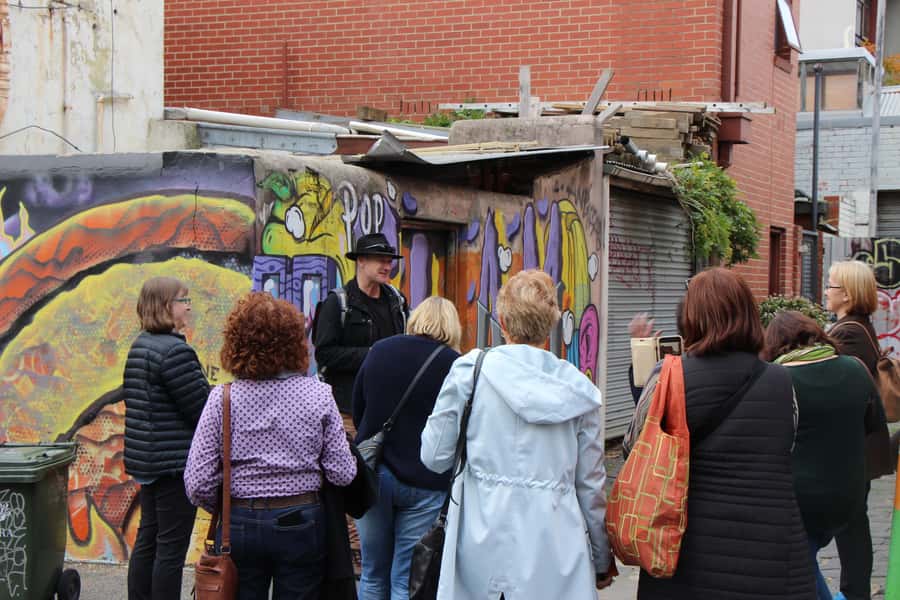
Fitzroy has a darker side you can walk. I love how this 2-hour tour turns everyday streets and back alleys into a crime map you can actually see. It focuses on the southern part of Fitzroy, where Melbourne’s most notorious criminals operated about 100 years ago.
I love the police-file based stories and the way they’re tied to real places. I also love that you get a free tour booklet with photos of the characters, plus crime scene maps and other documents you can keep.
One thing to keep in mind: this is detail-heavy storytelling, with lots of names and incidents, so if you want only the biggest moments, you may need to pay extra attention and ask the guide to focus on what you care about most.
Key things I’d clock before you go
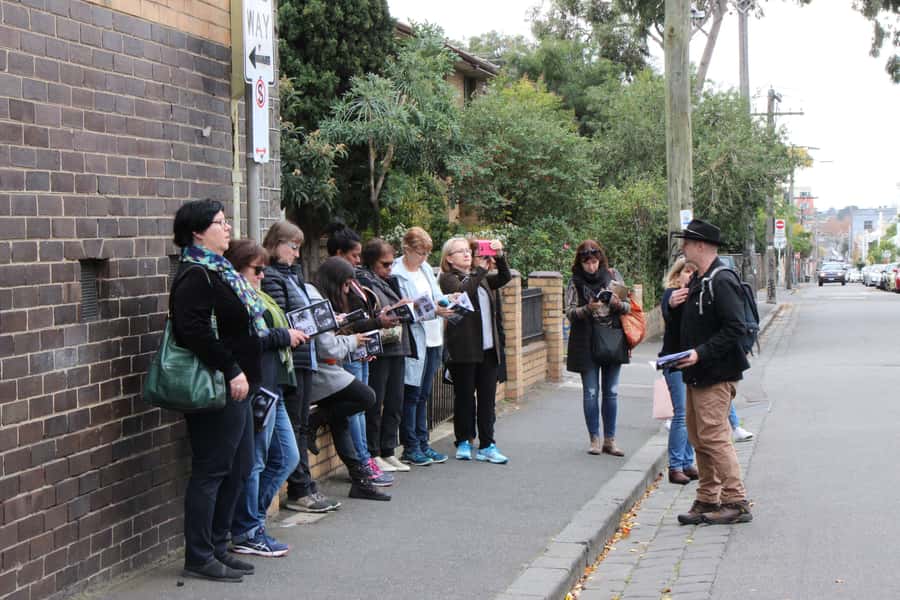
- Police files as the backbone for the true crime narrative, not vague rumor.
- Sly grog sites and former brothels, showing the illegal economy behind the violence.
- Gangland murder locations and alleyways, where you’ll understand the geography of conflict.
- Squizzy Taylor stops, including places tied to drinking, fighting, and trial.
- A take-home booklet with photos, crime scene maps, and supporting documents.
- A mostly local stroll, with reviews suggesting much of it stays within about four blocks.
From Melbourne Museum to Fitzroy’s old crime streets
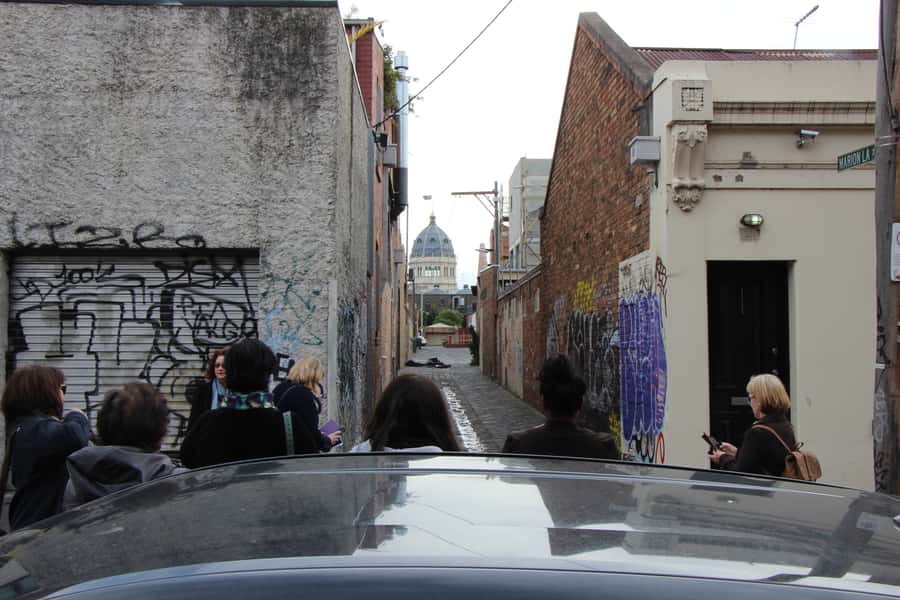
Your tour starts outside the entrance doors to Melbourne Museum, at the orange bench seat. That makes it easy to find, even if you’re still getting your bearings in the city. From there, you’ll head toward the southern part of Fitzroy, a neighborhood that earned a reputation for trouble long before Melbourne became the food-and-coffee city it is today.
What I like right away is the framing. This is not about generic crime history. It’s about specific people and the specific streets they used. So as you walk, you start thinking like a detective with shoes on. The city looks different. Side lanes look useful. Corners feel strategic. It’s the kind of shift you don’t get from a book or a screen.
More of the city once the lights go out
- Fitzroy True Crime Walking Tour
★ 5.0 · 124 reviews - Melbourne’s True Crime Tour
★ 5.0 · 83 reviews - Melbourne Ghost Tour
★ 4.0 · 65 reviews - Melbourne: True Crime Walking Tour of Fitzroy
★ 4.9 · 62 reviews
What you’re learning, and why the stories feel grounded
This tour leans on original police files, which is a big reason it tends to land so well. You’re not just hearing dramatic claims. You’re getting a guided path through how police understood crimes at the time, and how those stories connect to buildings, businesses, and the spaces in between.
Guides like Michael and Andrew are singled out for bringing the material to life with passion and energy. You can feel it in the pacing. They don’t rush through everything. They also handle questions, and they’re comfortable explaining how the facts connect to the places you’re standing on.
For you, that matters because crime stories can easily turn into spectacle. Here, the goal is understanding. Why certain places mattered. How criminal networks operated. And how people ended up on a collision course in the first place.
Sly grog shops and brothels: the illegal business model behind the chaos
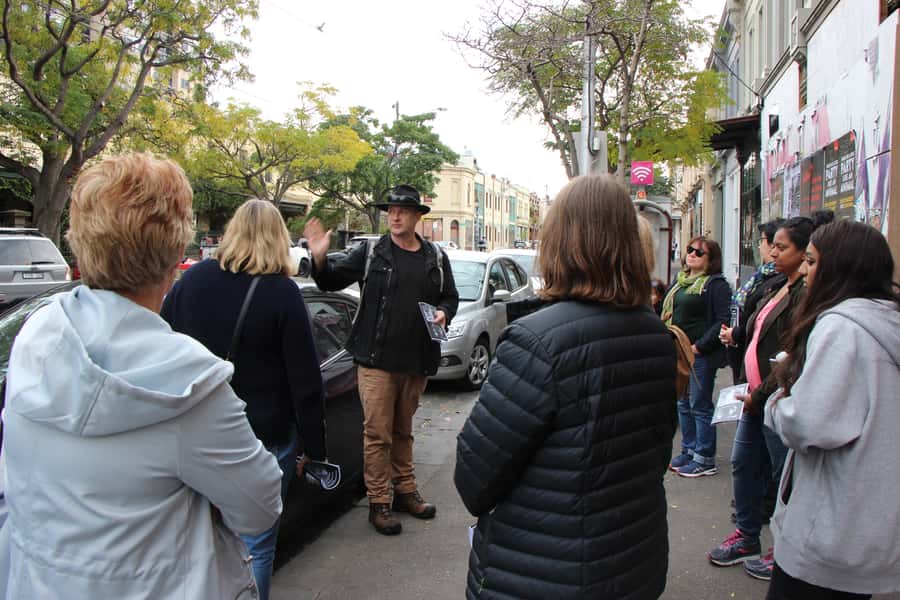
One of the most interesting parts of the tour is how it shows the illegal sly grog industry and the role of old entertainment districts. You’ll hear about Australia’s version of speakeasies, places where alcohol was sold illegally. That detail is important. It’s not just telling you there was crime. It’s showing you what sustained it.
You’ll also visit sites tied to former brothels. That adds another layer, because it connects the violence to real demand and real work happening behind closed doors. When you understand that there were businesses operating in those same streets, the gangland scenes make more sense. Violence wasn’t random. It was part of protecting territory, income, and influence.
A small drawback to note: if you prefer crime facts with minimal context, this part can feel like setup. The payoff is that the context helps you understand why people fought, not just who fought.
The gangland war on foot, not on a map
The walking route focuses on the streets and back alleys where gangland conflicts played out. That’s where the tour earns its name. When you experience the distance between key locations, the story stops being abstract.
You’ll hear about a gang war and the era when Fitzroy became known as a home base for criminals. The tour’s geography helps you picture how rival groups could move, hide, and strike. It also helps you understand why alleyways were more than just shortcuts. They were part of the crime ecosystem.
If you’re the type who likes to mentally “stage” stories, this section will click. Stand in place long enough and you start noticing how the street layout could affect witnesses, escape routes, and chance encounters. It’s not about imagining movie-style chases. It’s about how real people used real space.
Squizzy Taylor stops: where the story gains names and edges
The tour includes places connected to Squizzy Taylor, one of the better-known figures tied to old Fitzroy crime. You’ll learn about where he drank, fought, and faced trial. Hearing those three things in one neighborhood walk changes the tone. It turns a name from history into a sequence of lived events tied to specific streets.
This is also where the guide’s storytelling really matters. The best tours don’t just list facts. They connect behavior to consequences. For you, that means you leave with a clearer picture of how someone like Taylor moved through the area and how the legal system eventually collided with street life.
I’d suggest you lean in here and take your time. That doesn’t mean slowing down, it means staying mentally present. This is the part that helps the whole neighborhood story snap into focus.
Your free booklet: photos, crime scene maps, and documents you can revisit
Included with the tour is a free booklet packed with photos of the characters featured, plus crime scene maps and other supporting documents. This isn’t a generic souvenir. It’s the tool that lets you replay what you just walked.
For me, the big value is memory support. On a walking tour, you’re moving and listening at the same time. Your brain can only hold so much. The booklet acts like a second channel. You can look at it later, after the walk, and connect the stories to the places again.
If you’re visiting Melbourne for a short time, that take-home element is also great value. Two hours passes fast. With the booklet, the tour keeps working after you stop walking.
A few more Melbourne bookings worth a look before you decide


How the 2-hour pace feels in real life
This is a 2-hour walking experience, led by a live guide in English. Reviews suggest much of the walk stays within a small area, with one note that most of it was within about four blocks. That makes it feel manageable for a lot of people.
The pace also seems built for explanation. You’re not sprinting from stop to stop. You’re pausing outside relevant buildings and streetfronts tied to the stories. If rain hits, one guide was noted as adapting and keeping everyone comfortable, which tells me the planning includes the reality of Melbourne weather.
Wheelchair access is listed, so it’s designed to be more inclusive than the usual “tour through stairs only” situation.
Who this tour is perfect for, and who should think twice
This tour is a strong match if you like any of these:
- Local stories with real places, not just national-level history
- Street-level context, especially how illegal businesses fed conflict
- True crime with sources, since the approach is tied to police files
- A guided format where you can ask questions and get answers on the spot
It may be less ideal if you want a light, breezy stroll. The material is not gentle. You’ll hear about murders, organized crime, gang conflict, and the illegal systems around sly grog and prostitution-linked places. It’s handled as history, but the subject matter is still heavy.
And one practical consideration: one review mentioned that a guide might spend time on miscellaneous material instead of focusing strictly on the crimes. If you’re that type of person, go in with a clear goal, and don’t be shy about asking for the most crime-focused route points.
Price and value: $35 for 2 hours plus a take-home booklet
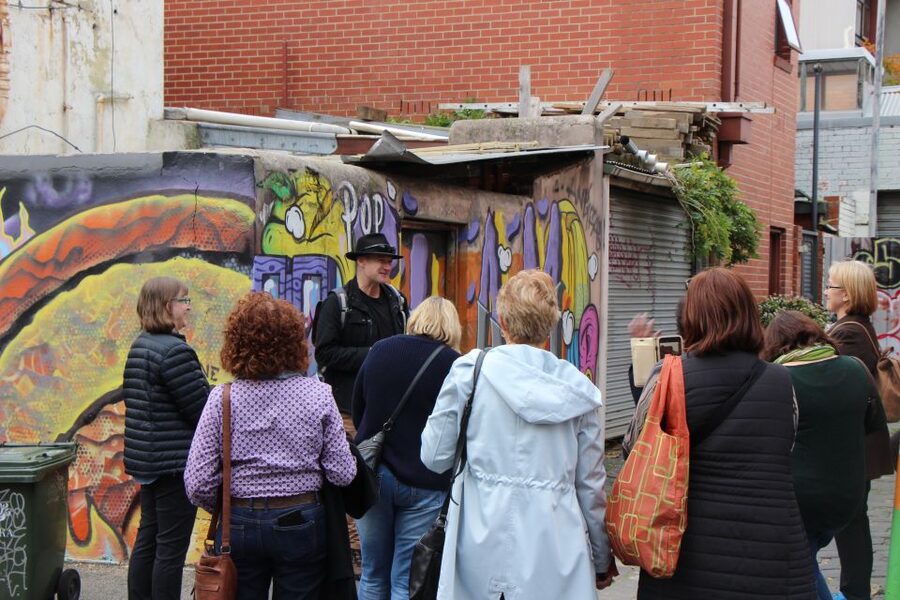
At $35 per person for 2 hours, this tour is priced like a thoughtful guided experience rather than a low-cost add-on. The best value angle is the booklet. You’re not only paying for narration. You’re paying for a physical guide you can use to revisit the stories, including photos, crime scene maps, and documents.
That makes the price easier to justify if you’re the kind of traveler who likes to understand a neighborhood beyond the obvious attractions. Also, because it’s short, you can fit it into a day without losing half your itinerary.
Practical tips to get the most out of it
Here are a few ways to make your money and attention go further:
- Plan to listen for connections, not just names. The tour gets stronger when you see how illegal businesses tie into conflict and investigations.
- Use the booklet during and after, especially the crime scene maps. It helps you remember what you walked past.
- Bring curiosity about local culture, not just crime. Old Fitzroy was a struggling neighborhood, and the tour frames it that way.
- Wear comfortable shoes. Even if much of it stays compact, it’s still a walking tour on uneven sidewalks and street corners.
If you want, arrive in the mood for questions. Guides like Michael and Andrew are described as energetic and passionate, and that’s usually your best chance to get more detail where you want it.
Should you book this Fitzroy true crime walking tour?
I’d book it if you want a place-based true crime experience that teaches you how crime actually worked in old Fitzroy, not just a list of famous incidents. The combination of police-file grounding, on-street stopping points, and a booklet with photos and maps makes it feel like good value for a short, guided walk.
I’d think twice if you’re sensitive to dark subject matter or you strongly prefer only the most headline-grabbing moments, with less background. If that’s you, go prepared to guide the conversation, and pick out the stops tied to murders, sly grog, and Squizzy Taylor so the tour stays centered on what you want most.
FAQ
How long is the Melbourne True Crime Walking Tour of Fitzroy?
The tour lasts 2 hours.
What does the tour cost?
The price is $35 per person.
Where do I meet the guide?
Meet outside the entrance doors to Melbourne Museum, at the orange bench seat.
What areas of Fitzroy does the tour cover?
The tour explores the southern part of Fitzroy, including streets and back alleys where criminals lived and operated about 100 years ago.
Is the tour guided and in English?
Yes, it is a live tour with an English-speaking guide.
What is included in the price?
You receive a free tour booklet with photos of the characters featured plus crime scene maps and other interesting documents.
What will I see during the tour?
You’ll see sites connected to sly grog shops, former brothels, gangland murders, and places connected to Squizzy Taylor.
Is the tour wheelchair accessible?
Yes, it is listed as wheelchair accessible.
Can I cancel and get a refund?
Yes, there is free cancellation up to 24 hours in advance for a full refund.
Is there a pay later option?
Yes, you can reserve now & pay later, keeping your travel plans flexible.
More Tour Reviews in Melbourne



More Melbourne Tours in Melbourne
After the Lights Go Out


Recently added to the Melbourne list
- [PRIVATE TOUR] Mornington Peninsula Hot Springs | Winery & Sightseeing Tour★ 5.0 · 3 reviews
- Melbourne Tours Walk the Yarra & Historic Boathouse Lunch★ 5.0 · 3 reviews
- 3.5 Hours Group tour Melbourne trouble-makers tour★ 4.5 · 3 reviews
- Jewish Scene in multi cultural Melbourne★ 5.0 · 3 reviews
- Yarra Sunrise Running Tour★ 5.0 · 3 reviews
Melbourne Ghost & True Crime Tours, side by side.
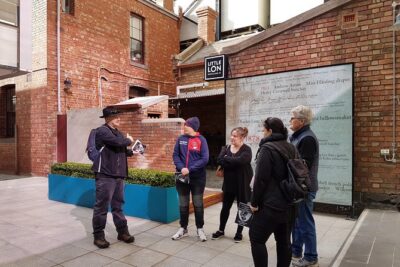 ★ 5.0Melbourne Historical Walking Tour: Crime, Gangsters & Lolly ShopsFrom $35137 reviews
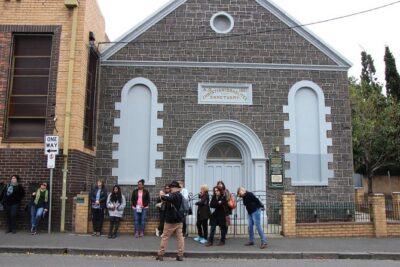 ★ 5.0Fitzroy True Crime Walking TourFrom $35124 reviews
 ★ 5.0Melbourne’s True Crime TourFrom $2483 reviews
 ★ 4.0Melbourne Ghost TourFrom $2765 reviews
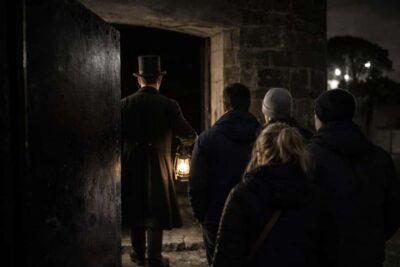 ★ 4.4Ghosts of Williamstown Guided Ghost Walking TourFrom $2747 reviews
 ★ 4.6Grampians: J Ward Lunatic Asylum Night Ghost TourFrom $2940 reviews
 ★ 4.7City Highlights Guided Walking Crime TourFrom $2423 reviews
 ★ 4.4MELBOURNE:Altona Homestead Ghost Tour: Spirits of the PastFrom $2711 reviews
Browse the lists this tour appears in