
Review · HISTORICAL TOURS
Tae Rak (Lake Condah) 2-Hour Cultural Tour
Eels have a long story here. This 2-hour Tae Rak (Lake Condah) cultural walk brings you face to face with Gunditjmara creation stories and the practical genius behind ancient eel farming, all while you watch the lake for birds and other wildlife. I love that the guide pairs the meaning of what you see with the real details of how people managed water. I also love that the setting feels calm and real, not staged.
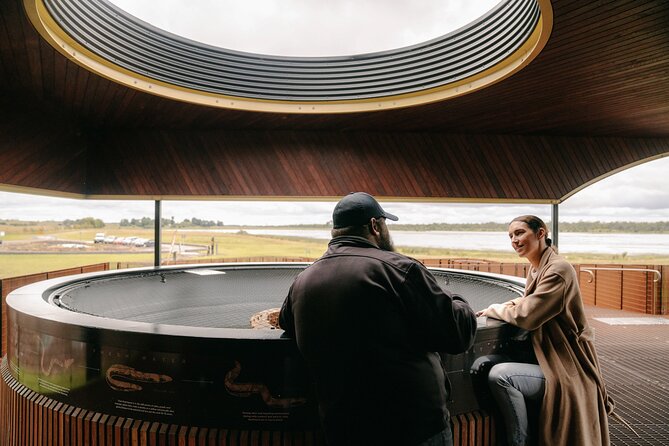
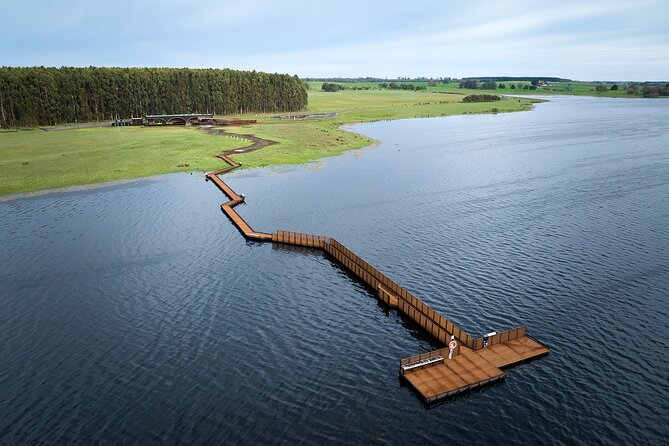
You start at the Tae Rak Aquaculture Centre with an overview that includes the kooyang (eel) holding tank, processing spaces, and the wider work of sharing culture responsibly. Your walk then traces the lake’s western edge toward the weir, where you can make sense of stone aquaculture sites and fish traps tied to lava flows. A quick note to plan around: because the tour needs good weather and runs on set availability, you may want a flexible day if rain or wind hits.
Key highlights to look forward to
- Gunditjmara creation stories tied directly to what you see on the lake
- Kooyang eel context, including an eel holding tank and traditional harvesting background
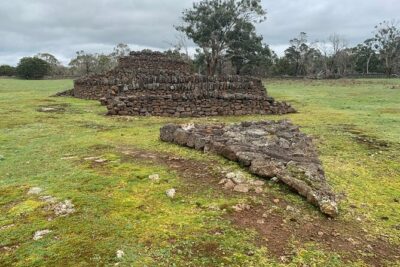
- Stone fish traps and aquaculture sites linked to lava-flow terrain
- Culturally significant fauna and flora pointed out as you walk the shore
- Two flexible options for your day, morning or afternoon walks
- Small-group feel with a maximum of 30 people
Tae Rak (Lake Condah) in two hours, without the rush
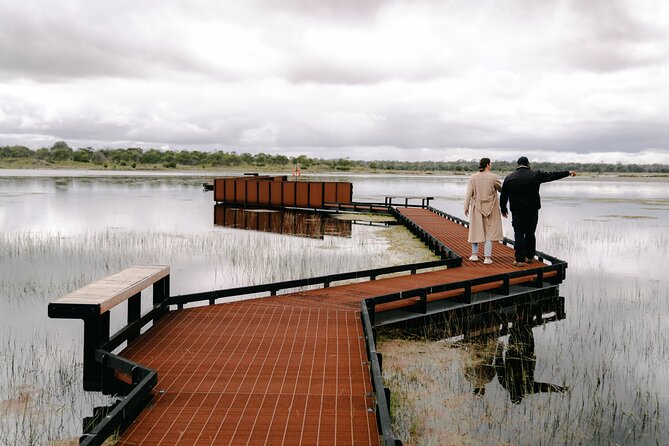
If you’ve ever felt torn between museum facts and real places, this walk hits a nice middle ground. Tae Rak, better known as Lake Condah, is one of those spots where the stories are not separate from the scenery. They explain how water, eels, stone, and seasonal cycles fit together.
The big reason I think this tour is worth your time is the way it stays practical. You don’t just hear about the Gunditjmara, you see why their long relationship with kooyang (eels) matters. And because you’re out on the lake’s edge with a guide, the talk lands faster than it would in a classroom.
Yes, it’s only about two hours. That’s long enough to learn the essentials and walk to a few meaningful points, but short enough that you’re not trapped on a timeline for the entire day.
Weighing this one up? Here is what else is running in Victoria right now.
- Tae Rak (Lake Condah) 2-Hour Cultural Tour
★ 5.0 · 203 reviews - Magic Men Cabaret Ladies Night
★ 5.0 · 181 reviews - Wilsons Prom Whale Cruise
★ 5.0 · 104 reviews - Bendigo Premium Balloon Flight plus buffet champagne breakfast
★ 5.0 · 100 reviews
Start at the Tae Rak Aquaculture Centre, then shift into story mode
Your tour begins at the Tae Rak Aquaculture Centre, where the experience starts with orientation. You get to settle in and understand the place before you head out along the water. In that first stretch, you’ll see key parts of the centre, including the kooyang eel holding tank and the processing area. There’s also a cafe and retail space, so you’re not stuck with only a walk and nothing else.
One of the quiet wins here is how the centre sets expectations for what you’re about to see. Once you’ve heard the creation-story context, the lake stops looking generic. You begin noticing the details the guide wants you to connect, from water flow to the way stonework fits the shoreline.
Then you step outdoors, and the pace becomes more conversational. The guide points out the lake’s wildlife and the plants with cultural significance, and the tour feels like a guided walk that happens to be educational, not an educational lecture that happens to be a walk.
The kooyang eel angle is the whole point
Eels can sound like a weird focus for a culture tour, until you learn how central they are here. The tour frames kooyang harvesting as something deeply tied to place and tradition, not just a fishing activity. You’re given an overview that connects the holding tank and processing spaces to the broader idea of managing waterways over generations.
I like how this tour treats the eel as a reason for design. Instead of making the tech sound abstract, it’s tied to what the lake offers and what the Gunditjmara needed from it. You learn the logic behind gathering, holding, and processing, and you also learn how that work fits cultural knowledge.
A small but useful tip based on real feedback: if you see any mention of eel tasting or samples at the cafe, consider asking. One visitor noted they came expecting eel-focused learning but missed the chance to try samples because they hadn’t known to look for it. If food tastings are available on your visit, it can turn the learning into something you remember with your senses, not just your notes.
Walk the western edge toward the weir, and watch the water make sense
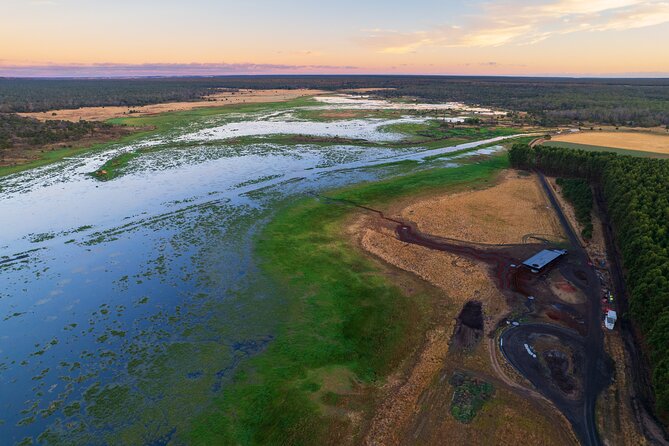
After the centre, you continue along the western edge of Lake Condah. This is where the tour shifts from interior explanations to outdoor interpretation. The guide shows you where the weir sits and points out how the ancient system shaped water movement.
This matters more than it sounds. When you understand where water was guided and controlled, the rest of the features become easier to read. You start seeing patterns instead of random rocks and small structures.
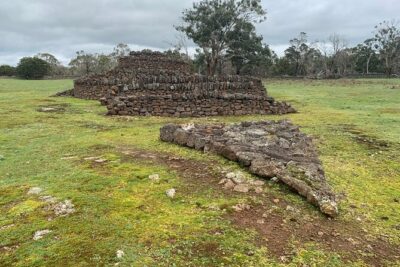
As you walk, you’re introduced to stone aquaculture sites and fish traps, and you learn how they fit the Tae Rak environment. The tour also brings in culturally significant flora and fauna, so you’re not just staring at the ground for archaeology clues. You’re learning to see the lake as a living system, with plants and animals responding to the same water patterns humans managed.
Lava-flow aquaculture: ancient engineering you can actually picture
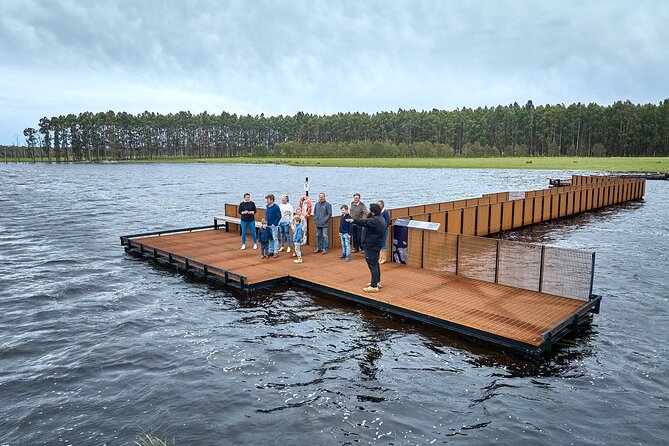
Lake Condah’s aquaculture story is tied to lava flows, and the tour makes that connection in a way that’s easier to grasp than a textbook. When the guide discusses the aquaculture system, you’re not just hearing that people used stone traps. You’re learning why the terrain and water flow supported trapping and harvesting.
One of the most praised parts of the experience is the guide’s ability to explain eel life and eel relationships in practical, human terms. People walked away saying they learned heaps about eels and also how the lava traps were made. If you care about “how it worked” as much as “what it meant,” you’re likely to appreciate this.
And even if you’re not a science person, this kind of explanation helps you connect the dots. You stop thinking of the lake as scenery and start thinking of it as infrastructure, built and maintained through cultural practice.
Wildlife and plants: the guide teaches you what to notice
This is not a checklist tour. The guide points out marine and bird life, along with culturally significant fauna and flora. That means you’ll spend some time looking beyond the obvious, like noticing birds on the water and tracking where different plants show up.
It also helps that the stories are woven into the sightings. Creation stories and historical accounts aren’t delivered as separate topics. They connect to the lake’s features, so you’re learning why something is important right where you can observe it.
If you enjoy nature but hate tours that feel like generic bird spotting, this should feel more personal. You’re learning what matters culturally, not just what’s common.


Morning or afternoon: pick the light, not the hype
You can choose a morning or afternoon walk, and that choice is more about comfort than about “better photos.” The lake area is outdoors, so think about your energy level and what kind of weather you’re expecting.
A practical approach: if your day is tight, pick the time that matches when you’re least likely to rush. This tour is built for conversation and observation, and rushing through it makes it feel shorter than it is.
Also, remember that this experience requires good weather. If conditions are poor, you may be offered another date or a full refund. So if your schedule allows, I’d aim for a day with some slack.
Price and value: what $63.83 gets you

At $63.83 per person, this tour sits in a mid-range band for a themed guided experience. What helps the value math is that it’s not just a short walk with a guide. You get an overview at the centre, access to the eel holding tank and processing context, and a guided route along the lake edge to weir and stone aquaculture areas.
You also get practical add-ons that reduce your friction. There’s a restroom on site, and there’s an air-conditioned vehicle. Those small comforts matter when you’re pairing nature viewing with a story-heavy tour.
Not included is also clear: coffee and snacks aren’t part of the price. But the centre has a cafe and retail area, so you can plan a snack break if you want one. If you’re someone who likes to pair learning with a simple treat afterward, build that into your budget.
Given the 98% recommendation rate and the nearly perfect overall rating people leave, the best value is for those who want both context and place.
Group size and pace: small enough to feel human
With a maximum of 30 travelers, this tour should feel more like a guided group walk than a bus tour. It’s big enough that you’ll meet new people, but small enough that your guide can still point things out and keep the flow moving.
You’ll also likely appreciate that the tour is designed around a 2-hour block. That keeps it focused. You won’t be stuck in “I’m tired of walking, but still not at the point” territory.
One more detail that can help you decide: the tour notes that most travelers can participate. If you can handle a moderate outdoor walk and stay engaged with a guide for two hours, you’re a good match.
Who should book, and who might want a different option
I think this tour is a great fit if you:
- want a culture experience tied to a specific place, not just general history
- care about eels and water management, or you’re open to becoming interested
- like guides who explain both meaning and mechanics
- want a calm, nature-forward outing with strong cultural context
You might consider something else if:
- you’re only interested in food and snacks, because coffee and snacks are not included
- you prefer tours that are longer and deeper, since this is intentionally short
- you’re visiting on a day with poor weather and limited flexibility, since the experience requires good conditions
Should you book the Tae Rak (Lake Condah) 2-Hour Cultural Tour?
Book it if you want a balanced mix of Gunditjmara stories and real-world features you can see and walk through. The tour’s strongest strength is that it connects eel-country design, lava-flow aquaculture, and culturally significant wildlife into a single two-hour experience that feels readable and memorable.
Before you go, do yourself a favor: plan to spend a little time at the cafe area afterward. If you hear about eel tastings or samples while you’re there, it’s worth asking about options that day. That’s where some visitors turn good learning into a full, stick-in-your-brain memory.
If you’re choosing between a generic nature walk and a purpose-built cultural walk, this one is the stronger pick. It’s not just pretty lake views. You leave with a clearer idea of how humans shaped the water system and why the eels still matter.
FAQ
Where does the Tae Rak (Lake Condah) tour start?
The tour starts at the Tae Rak Aquaculture Centre area, with the meeting point listed as WRRG+Q2 Breakaway Creek, Breakaway Creek VIC, Australia.
How long is the tour, and can I choose a morning or afternoon time?
The tour lasts about 2 hours, and you can choose from a morning or afternoon walk.
What’s included in the ticket price?
The experience includes a restroom on site and an air-conditioned vehicle. Your ticket is also a mobile ticket.
Is coffee or snacks included?
No. Coffee and/or tea, and snacks are not included.
How big is the group?
The tour has a maximum of 30 travelers.
What if the weather is bad or I need to cancel?
The tour requires good weather. If it’s canceled due to poor weather, you’ll be offered a different date or a full refund. You can cancel for a full refund up to 24 hours in advance of the experience start time.
More Tours in Victoria

More Tour Reviews in Victoria


Recently added to the Victoria list
- Melbourne City & Brighton Beach Boxes Helicopter Tour★ 4.5 · 3 reviews
- Private Helicopter Tour to 12 Apostles & Great Ocean Road★ 5.0 · 3 reviews
- Great Ocean Road and 12 Apostles – Premium Day Tour Max 4 Guests★ 5.0 · 4 reviews
- Altona Homestead Ghost Tour★ 4.0 · 4 reviews
- Foodie’s Guide to Footscray: Private Food Tour in Melbourne★ 5.0 · 4 reviews
Historical Tours, side by side.
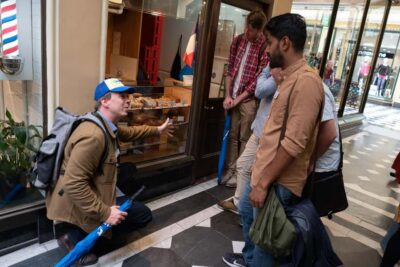 ★ 5.0Ultimate Melbourne Walking Tour: History, Laneways & CultureFrom $921,451 reviews
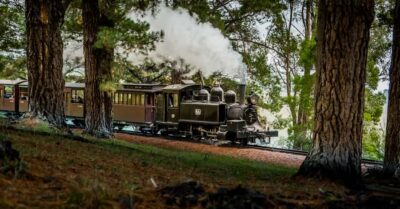 ★ 4.6Puffing Billy Railway: Heritage Steam Train JourneyFrom $291,195 reviews
★ 4.8Ultimate Melbourne Walking Tour: History, Laneways & CultureFrom $91338 reviews
★ 4.6Puffing Billy Railway: Heritage Steam Train JourneyFrom $291,195 reviews
★ 4.8Ultimate Melbourne Walking Tour: History, Laneways & CultureFrom $91338 reviews
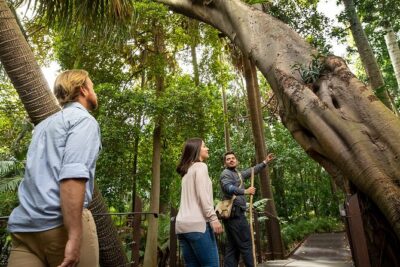 ★ 5.0Aboriginal Heritage Walk – Royal Botanic Gardens Victoria, Melbourne GardensFrom $30314 reviews
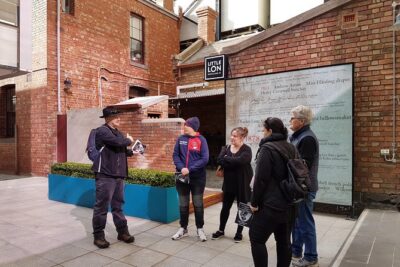 ★ 5.0Melbourne Historical Walking Tour: Crime, Gangsters & Lolly ShopsFrom $35137 reviews
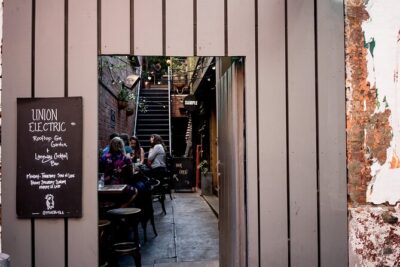 ★ 5.0Melbourne’s History with a Drink TourFrom $3581 reviews
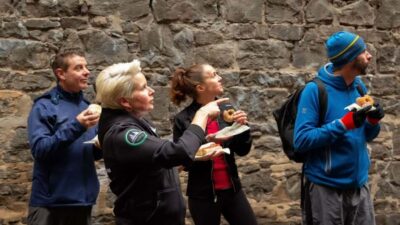 ★ 4.9History and Donuts Walking TourFrom $7772 reviews
 ★ 5.0History and Donuts Walking TourFrom $6934 reviews
Browse the lists this tour appears in