
Review · MELBOURNE ABORIGINAL CULTURAL TOURS
Budj Bim: Tungatt Mirring Half Day Gunditjmara Tour
Stone Country has a pulse in every step. This half-day tour takes you through Kurtonitj Indigenous Protected Area and Budj Bim’s World Heritage site with a Gunditjmara Traditional Owner guide, linking living knowledge to lava, water, and eels. I especially like how the guide’s stories point to specific features you can see, not vague ideas, and I also like the chance to spot koalas while you learn.
One thing to plan for: there’s real walking on uneven ground and a few stairs. If your feet are sensitive, comfortable shoes matter.
Key things I’d lock in before you go
- A Gunditjmara Traditional Owner guide: you get the cultural explanation from the people who know the place best
- Kurtonitj IPA stories in real sites: smoking tree for kooyang, plus weirs and a dam tied to eel trapping
- Budj Bim’s volcanic features up close: Lake Surprise, lava tunnels, and caves
- Wildlife spotting built into the walk: including an extensive koala population
- Stop at Tae Rak Aquaculture Centre & Café after: learn more and finish your day around 1pm
Meeting at Tae Rak: where aquaculture meets Country
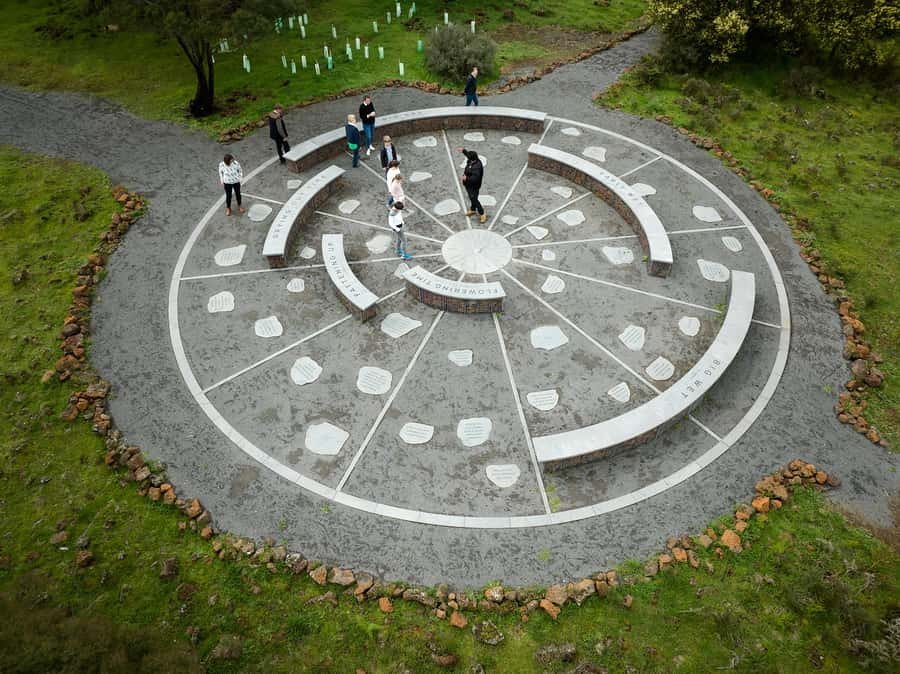
Your day starts at Tae Rak Aquaculture Centre & Café, which is a smart base. It’s the kind of place that helps you get oriented fast, because you’re not just touring natural scenery, you’re learning how people read water, stone, and seasons.
From there you’ll get on a coach for about 20 minutes. That ride is short enough that you do not feel rushed, but long enough to settle in before you start walking. You’re headed for Gunditjmara Country and, once the guide begins, you’ll notice something: the tour talks about technique and purpose, not just legend as a storybook.
You’ll also learn what to expect from the day. Bring comfortable shoes, and take the walking seriously even if it is a half day. The “few stairs” and uneven ground can be easy in a general way, but they add up, especially if you rush.
Weighing this one up? Here is what else is running in Breakaway Creek right now.
- Budj Bim: Tungatt Mirring Half Day Gunditjmara Tour
★ 4.3 · 6 reviews
Kurtonitj Indigenous Protected Area: the smoking tree, weirs, and a dam
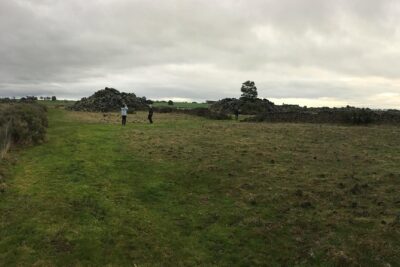
The tour kicks off at Kurtonitj Indigenous Protected Area, and this is where the experience starts getting practical. Your Gunditjmara guide points out features tied to kooyang, which are eels, and you start seeing the land as a working system.
Here are the standout stops you should listen for closely:
- An ancient smoking tree used for smoking kooyang
- An area of lava flow featuring two weirs, designed to manage eel movement
- A dam associated with trapping and holding kooyang
What I like about this part is the clear connection between landscape and food knowledge. You can literally stand where techniques were used, and the guide can explain why stone and water mattered. That makes the World Heritage story feel grounded and real, not distant.
Also, Kurtonitj being an IPA (Indigenous Protected Area) isn’t just a label. It signals an ongoing responsibility for Country, and the way it’s described helps you understand why cultural care and land management go together. You’re not just learning how things were done. You’re learning how they are valued now.
Tungatt Mirring in motion: Lake Surprise and the story behind Budj Bim
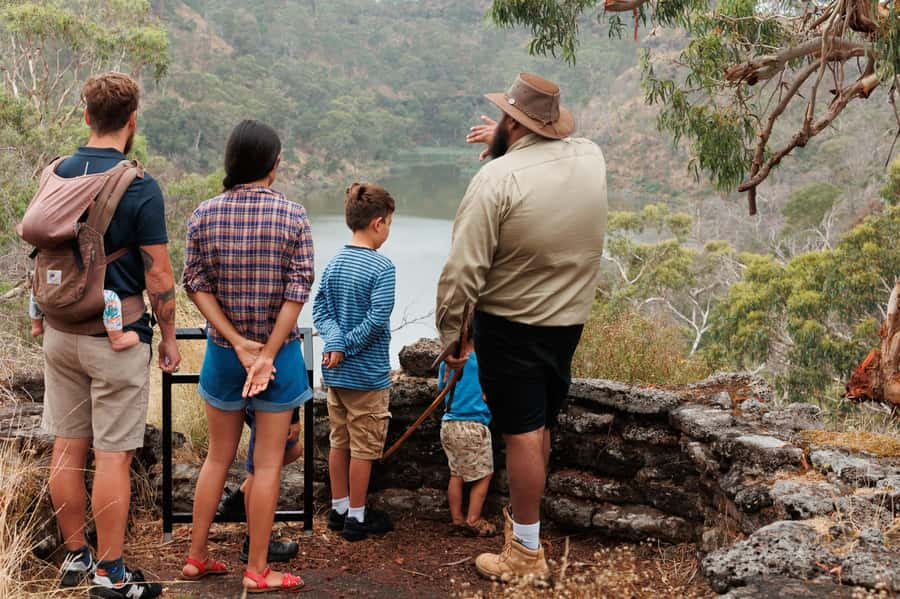
After Kurtonitj, you head to Budj Bim National Park. This is where you’ll see the inactive volcano that the area now calls Lake Surprise. The park sits within the Western Victorian Volcanic Plains, so the geology is not background. It is part of the lesson.
The Gunditjmara name for this place is Tungatt Mirring, which translates to Stone Country, and that name clicks once you start looking at the ground and water together. Lava rock, wetlands, and engineered features form a kind of network. It helps you understand why this area inspired the legend of Budj Bim.
The cultural walk here is guided and paced to let you take in features as they connect. Expect a mix of:
- sightseeing and scenic views along the way
- walking through areas where you can see how water routes might have mattered
- wildlife viewing, including koalas
I also appreciate that the guide’s approach tends to be honest and full, including the difficult parts of colonisation. You do not just get uplifting nature talk. You get context for why cultural knowledge survived, why it matters, and how shared stories fit into today.
Budj Bim walk: lava tunnels, caves, and wildlife spotting
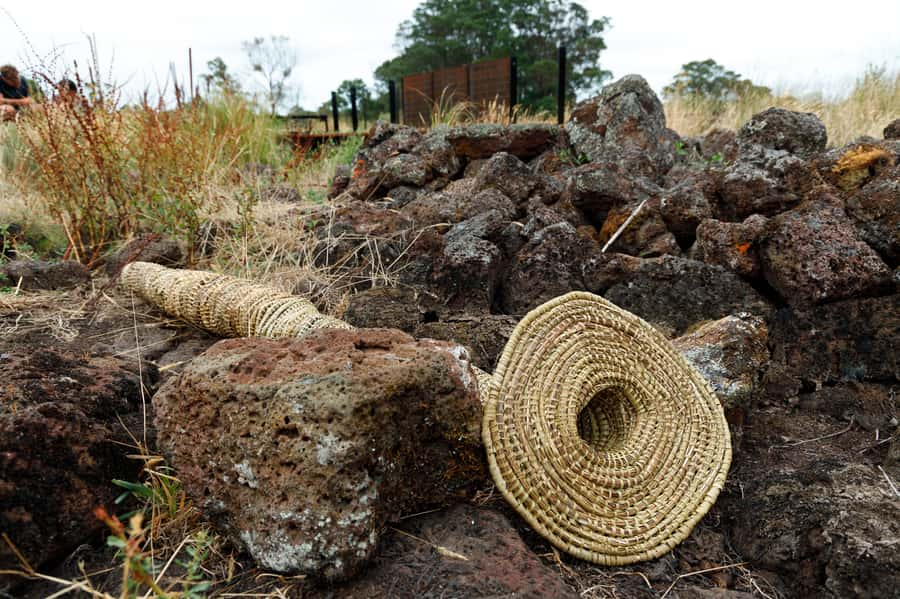
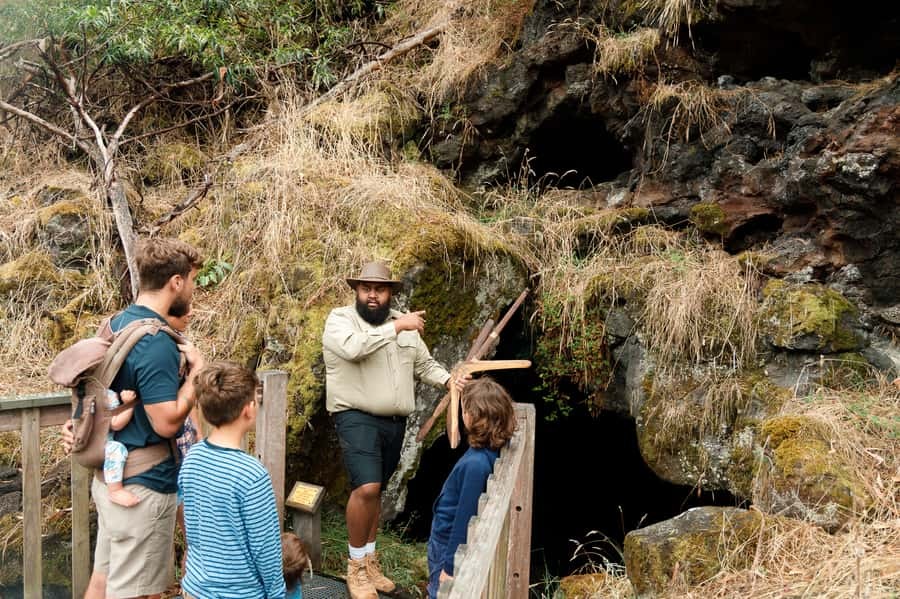
At Budj Bim National Park, the walk focuses on a handful of big physical highlights: Lake Surprise, lava tunnels, and caves. These features are exactly the kind of things you can miss if you’re just passing through on your own.
The lava tunnels and caves add texture to the story. They make the volcanic setting feel lived in. Your guide helps you connect the geology to the cultural use of water and eels, so you’re not just admiring rocks. You’re learning how people moved through and managed the environment.
This part also includes wildlife viewing. One of the strongest practical perks is the extensive koala population. It’s not a guarantee you’ll spot one at every moment, but the odds are good enough that it’s worth paying attention during breaks and when the guide pauses for explanation.
A quick tip for this section: keep your eyes up as well as down. Koalas can show at the edges of the walk and in treetops when you’re focused on caves or tunnel entrances. And if you stop often to take photos, remember the ground is uneven in places, so keep one eye on your footing.
Tae Rak Aquaculture Centre & Café: where the lesson continues
After Budj Bim, you return by coach for about 20 minutes to Tae Rak Aquaculture Centre & Café, arriving around 1pm. This timing is useful. You finish before the late afternoon slump, and you can still plan a proper meal after.
The centre adds a second layer to the day. Instead of only seeing the features in nature, you get a place designed to explain what you just learned and why it matters. From experience with tours like this, I find this “bridge stop” helps the information settle. You’re not carrying notes and photos only. You’re connecting them to what the centre teaches.
There’s also the option to order a kooyang (eel) tasting plate for an additional cost. If you’re curious, it can be a good add-on because it turns the earlier story about kooyang into something you can experience with your senses. If food isn’t your focus, you can skip it and still leave with a strong understanding of the cultural importance.
If you do plan to eat after, remember lunch is not included on the tour. The easiest approach is to treat the 1pm return as your cue to secure food soon after, either on site or nearby.
Price and value of $112 for 4 hours
At $112 per person for a 4-hour tour, you’re paying for more than a walk and a bus ride. You’re paying for:
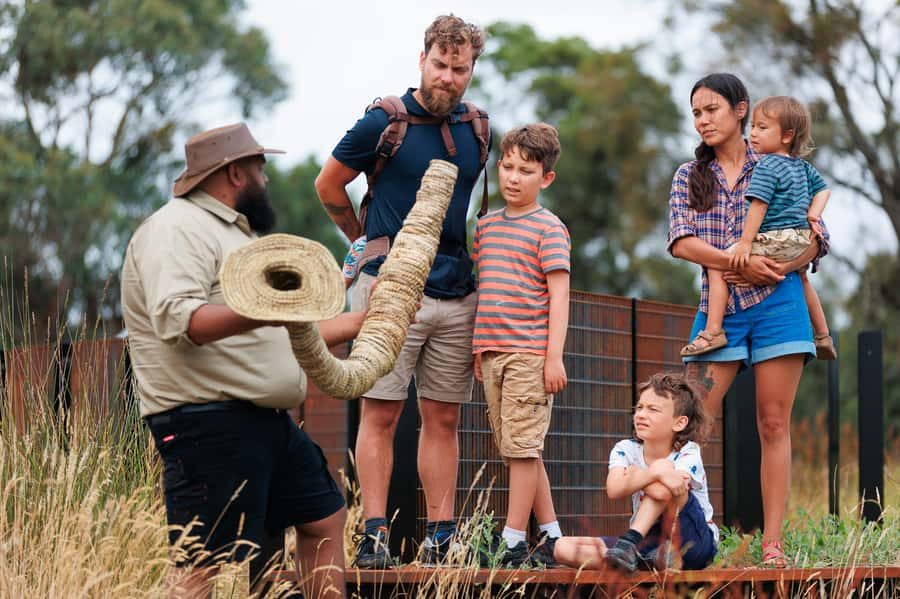
- a Gunditjmara Aboriginal guide who can interpret the sites directly
- access fees
- transport
- guided cultural walks that connect the features (smoking tree, weirs, dam, lava tunnels, caves) to kooyang and Country management
The best way to think about value here is this: the places you visit are meaningful in a way that makes self-guided touring weaker. You can see the volcanic features, but you cannot easily recreate the specific cultural explanations of why those features mattered. The guide is the core product, and it shows.
The optional eel tasting plate is a separate decision. It is not required to get the full experience, so you can budget based on your own interest.
Who this tour suits best (and who should reconsider)
This tour is a good fit if you want:
- hands-on cultural learning tied to World Heritage sites
- a guide-led walk with real stops and specific explanations
- wildlife time, especially for koalas
- a day that mixes story, land management, and the hard realities of colonisation
It is also a decent choice for mixed ages, as long as everyone can handle uneven ground and a few stairs. I like that it does not feel like it is built only for fitness fanatics.
It might be less ideal if you:
- cannot comfortably manage uneven terrain
- rely on step-free routes and need more detailed accessibility information than is provided here
- travel with pets, because pets are not allowed on this tour
Should you book this Budj Bim: Tungatt Mirring half-day tour?
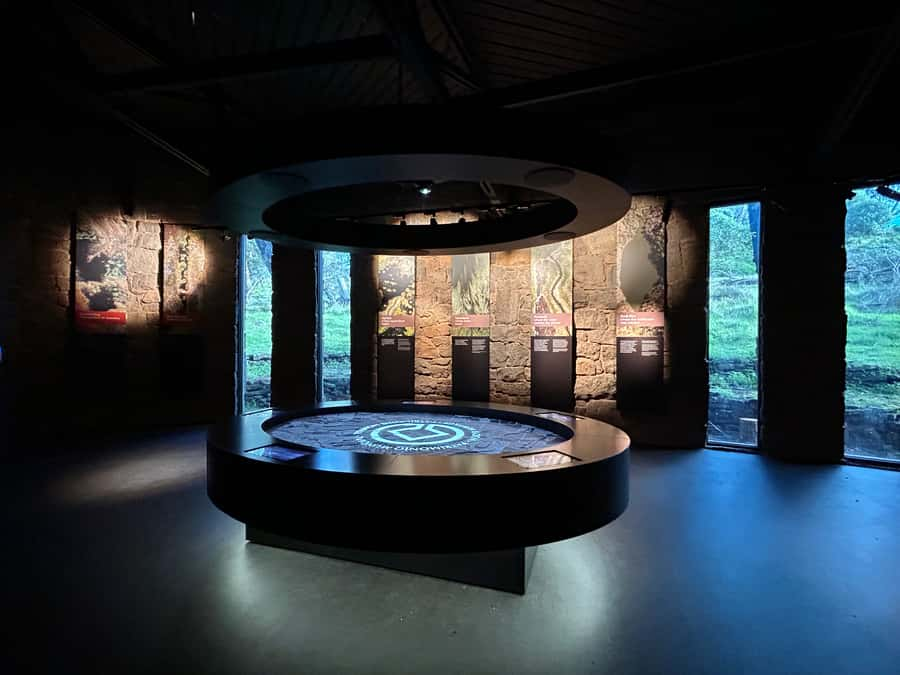
Yes, if you like guided learning that points to real features and you want to understand why kooyang and volcanic stone fit together here. The tour’s strongest appeal is the combination of Gunditjmara guidance, the specific Kurtonitj eel-trapping sites (smoking tree, weirs, and dam), and the dramatic Budj Bim volcanic features like Lake Surprise, lava tunnels, and caves.
If you’re on the fence, here’s a simple decision rule. Book it if you want the story tied to place. Pass if you only want a casual nature walk with minimal explanation.
FAQ
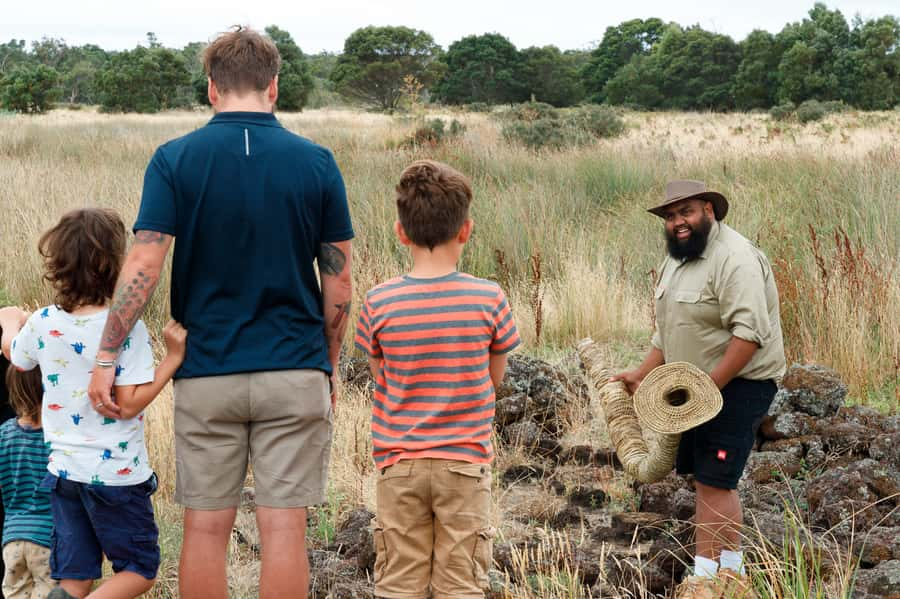
How long is the Budj Bim: Tungatt Mirring Half Day Gunditjmara Tour?
It lasts 4 hours.
Where do I check in for the tour?
Check-in is at Tae Rak Aquaculture Centre & Café.
Is lunch included in the tour price?
No. Lunch is not included, and you return around 1pm.
Is there an optional eel tasting?
Yes. A kooyang (eel) tasting plate can be ordered for an additional cost.
Will I be walking on rough ground?
There will be some walking on uneven ground and a few stairs. Comfortable shoes are recommended.
Is the tour guided and in English?
Yes. There is a live guide and the tour is in English.
Are pets allowed?
No, pets are not allowed.
If you tell me your travel dates and what kind of pace you prefer, I can help you decide whether this half-day fits best, and what to plan for after you’re back at Tae Rak around 1pm.
More Tours in Breakaway Creek
More Tour Reviews in Breakaway Creek
Recently added to the Breakaway Creek list
- Budj Bim: Tungatt Mirring Half Day Gunditjmara Tour★ 4.3 · 6 reviews
Melbourne Aboriginal Cultural Tours, side by side.
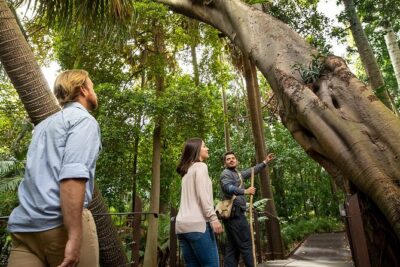 ★ 5.0Aboriginal Heritage Walk – Royal Botanic Gardens Victoria, Melbourne GardensFrom $30314 reviews
 ★ 5.0Tae Rak (Lake Condah) 2-Hour Cultural TourFrom $63203 reviews
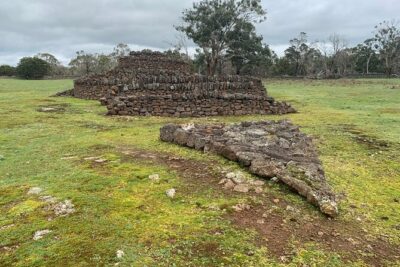 ★ 5.0Kooyang Yana Full Day Tour – Budj BimFrom $14296 reviews
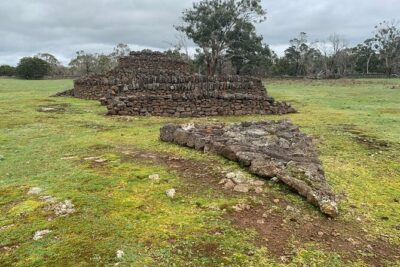 ★ 5.0Tungatt Mirring, Stone Country Half Day Tour – Budj BimFrom $11452 reviews
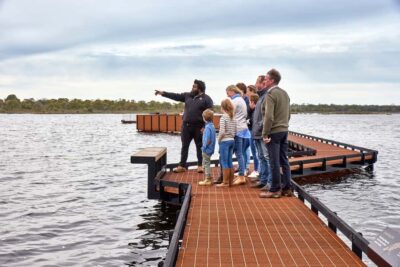 ★ 4.8Budj Bim: Tae Rak Wetlands 2 Hour Guided Cultural TourFrom $6316 reviews
 ★ 5.0Mount Eccles Volcano – Budj Bim National ParkFrom $6813 reviews
 ★ 3.1Aboriginal Heritage Walking TourFrom $287 reviews
Browse the lists this tour appears in